The US Government Wants a 30-Day Preview of New AI Models — 'Voluntarily'
A new executive order sets up a system where AI labs can give the US government early access to their models before release. It's officially voluntary — but talks with OpenAI, Anthropic, and Google suggest it may become the norm. What that means for the tools you use.
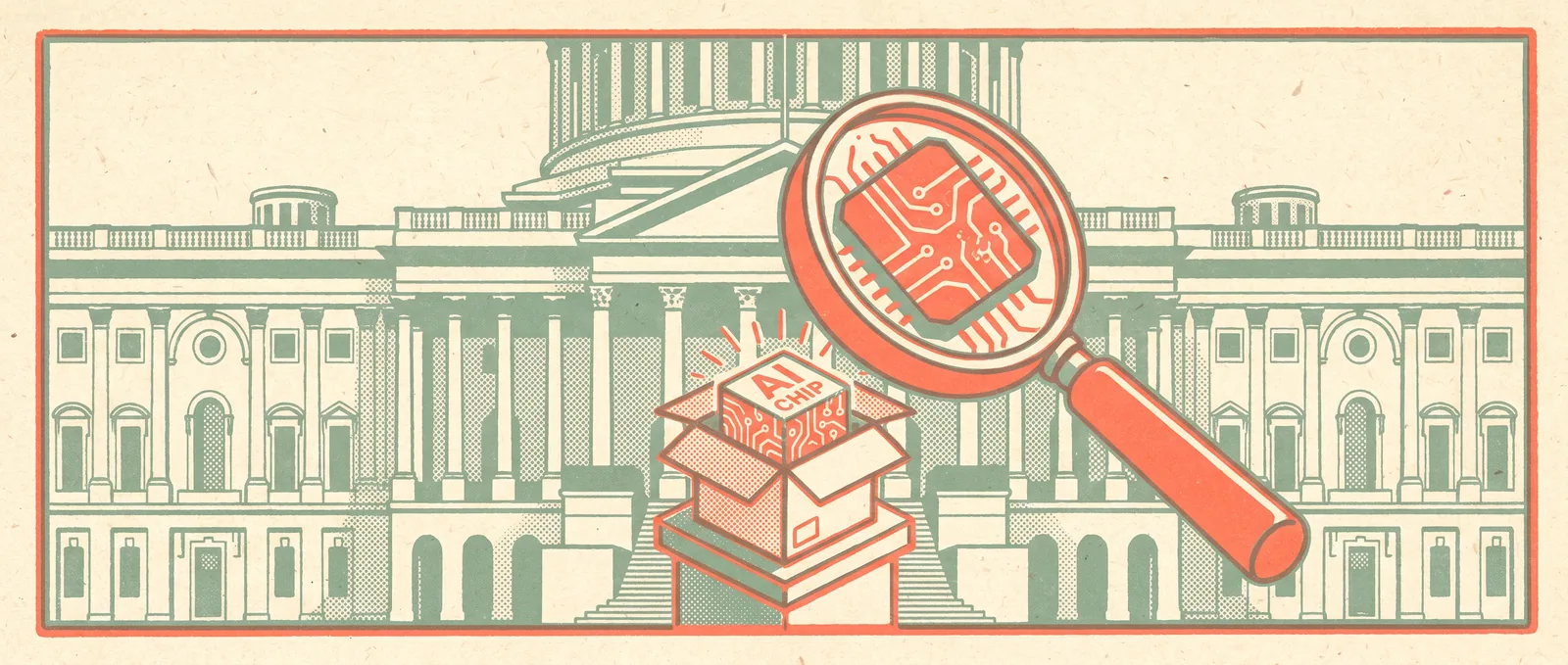
Governments are starting to want a look at powerful AI models before the rest of us get them. That’s the core of an executive order President Trump signed on June 2: a framework under which AI labs would give the US government up to 30 days of early access to major new models — before they’re released to the public or to business partners.
The key word is “voluntarily,” and it’s doing a lot of work. The order explicitly rules out a mandatory licensing system — no lab is legally forced to participate. That distinction matters politically: the AI industry lobbied hard against European-style pre-approval, and formally, it didn’t happen. In practice, the line is blurrier. The Financial Times reports that officials are in advanced talks with OpenAI, Anthropic, Google, and others to formalize the arrangement. When the government asks, the biggest labs are apparently saying yes — “voluntary” in roughly the way a boss’s dinner invitation is voluntary.
What would the government do with a month of early access? The order calls for a classified testing process — ready by July 31 — that checks new models for “advanced cyber capabilities”: in plain terms, how good a model is at things like finding security holes or writing attack tools. Models that cross a certain line get labeled “covered frontier models” and face extra scrutiny before release.
Why should anyone outside Washington care? Because reviews change release schedules, and there’s already a preview of how that feels: in June, a powerful model (Anthropic’s Fable 5) had its access abruptly restricted for weeks after a security concern surfaced — users who had built it into their work were simply cut off overnight. A standing government review process makes that kind of pause more likely, not less. Reasonable people can land differently on whether that’s good: pre-release safety checks on the most powerful systems sound sensible; a government bottleneck on a fast-moving industry, and reviewers seeing rivals’ unreleased work, sound less so. Both things can be true.
What this means for you: For everyday AI use, nothing changes tomorrow. What likely changes over time is the rhythm: launches may arrive a bit later or roll out more cautiously, and occasionally a tool may pause while something gets reviewed. If AI tools are becoming part of how you or your business work, the practical takeaway is simple — don’t build everything on exactly one model. Having a plan B (a second provider, or one of the freely downloadable models) turns “your favorite AI is unavailable this month” from a crisis into an inconvenience.
Sources
- White House — Promoting Advanced AI Innovation and Security (Executive Order)
- Yahoo Finance / FT — US in talks with AI companies for voluntary model standards
- NPR — Trump’s new AI safety order seeks voluntary review of new models
- The Information — White House briefs AI companies on plan to review models before release
Anthropic Keeps Fable 5 Free for Subscribers a Little Longer — Thank the Price War
Claude Fable 5 was supposed to switch to pay-per-use today. Instead, subscribers keep free access through July 19 — a sign of how much pressure OpenAI's GPT-5.6 Sol is putting on pricing.