Can an AI Be an Inventor? Japan's Top Court Says No — Joining the Rest of the World
Japan's Supreme Court settled a question that's been fought over worldwide: only humans can be named as inventors on a patent. Simple enough — but it leaves a much trickier question wide open for anyone using AI in their work.
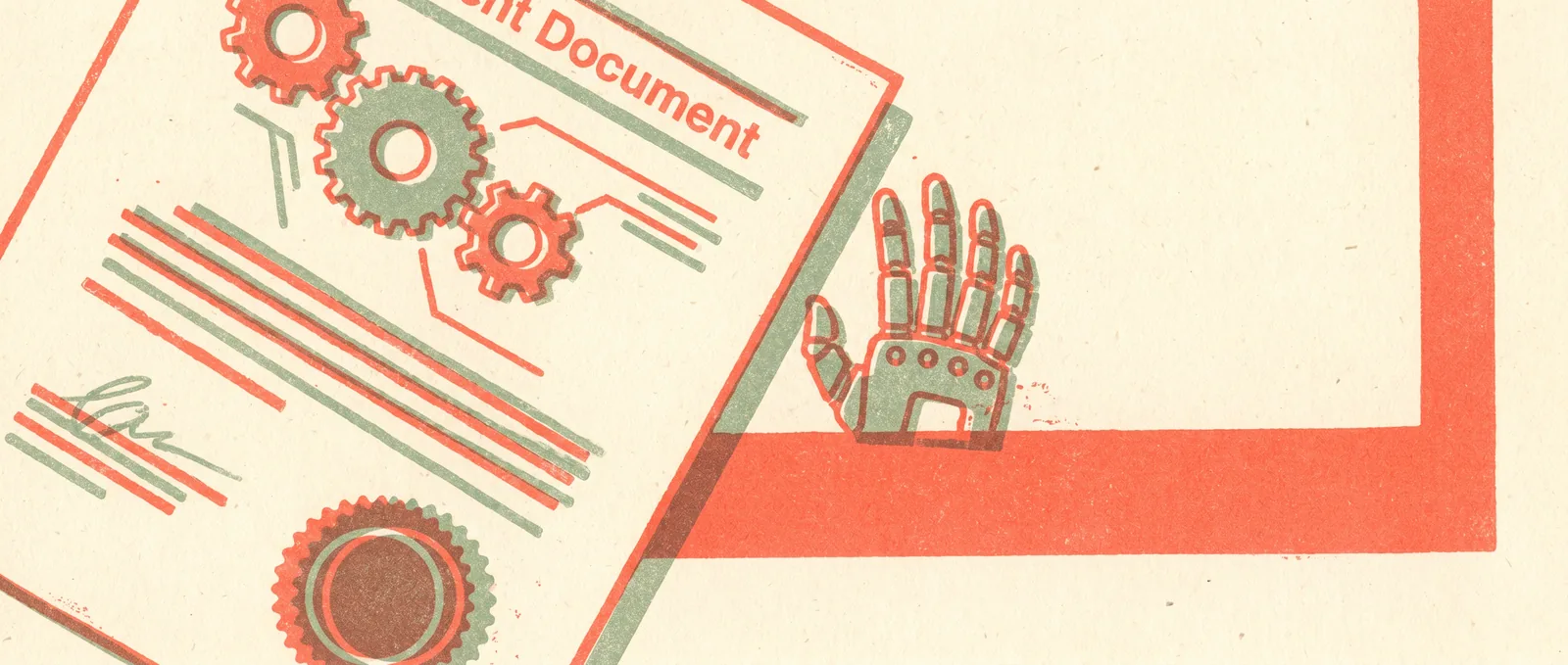
Can a machine be an inventor? It sounds like a philosophy-class question, but it’s been fought out in real courtrooms across the world — and Japan’s Supreme Court just gave its final answer: no. Only a human (a “natural person,” in legal language) can be named as the inventor on a patent.
The case behind the ruling is a curious one. US engineer Stephen Thaler filed patents in several countries naming his AI system, DABUS, as the sole inventor of a food container design — deliberately testing whether the law would accept a non-human creator. Japan’s patent court rejected it in early 2025, and on March 4, 2026, the Supreme Court declined to even hear the appeal, making that rejection final. What makes this tidy is that every major jurisdiction that heard the same case reached the same conclusion: the UK, the US, and the European Patent Office all said the same thing. The reasoning is practical, not anti-technology: patent law is built around rights and duties — owning the patent, being paid, suing to defend it — that only make sense for a legal person. A software system can’t sign a contract or stand in court.
But here’s the question the ruling doesn’t answer, and it’s the one that actually affects people: what about inventions where a human used AI as a tool? Almost nobody invents with AI as the “sole inventor” — the realistic case is an engineer or researcher who leaned heavily on AI to get to a result. That’s completely allowed, as long as a real person genuinely did the inventing. The grey zone is when the AI did so much of the creative work that the human’s role becomes hard to defend. Where exactly that line sits isn’t defined anywhere in law yet — and as AI speeds up drug discovery, materials science, and design, more people are going to bump into it.
What this means for you: If you or your business use AI to speed up research and development, this ruling is not a threat — the patents you earn are safe, provided a real person did the meaningful inventing. The practical habit it rewards: keep good records. Write down the human decisions and creative choices along the way, so that if anyone ever asks “did a person really invent this?”, you have a clear answer. And for anything where AI played a big generative role, it’s worth a conversation with a patent professional before you file.
Sources
One Bold Bet on Anthropic Just Made a 50-Year-Old Investor Its Biggest Fund Ever
In 2024, Menlo Ventures made a 'bet-the-firm' move on Anthropic when it was still an underdog. That $500 million stake is now worth around $14 billion — and it just helped raise the firm's largest fund in half a century. A story about conviction and timing.