Geneva AI Week starts tomorrow: the UN's first real attempt to govern AI together
The inaugural UN Global Dialogue on AI Governance runs July 6-7, followed by the AI for Good Summit. Why this week matters more than the usual summit theater.
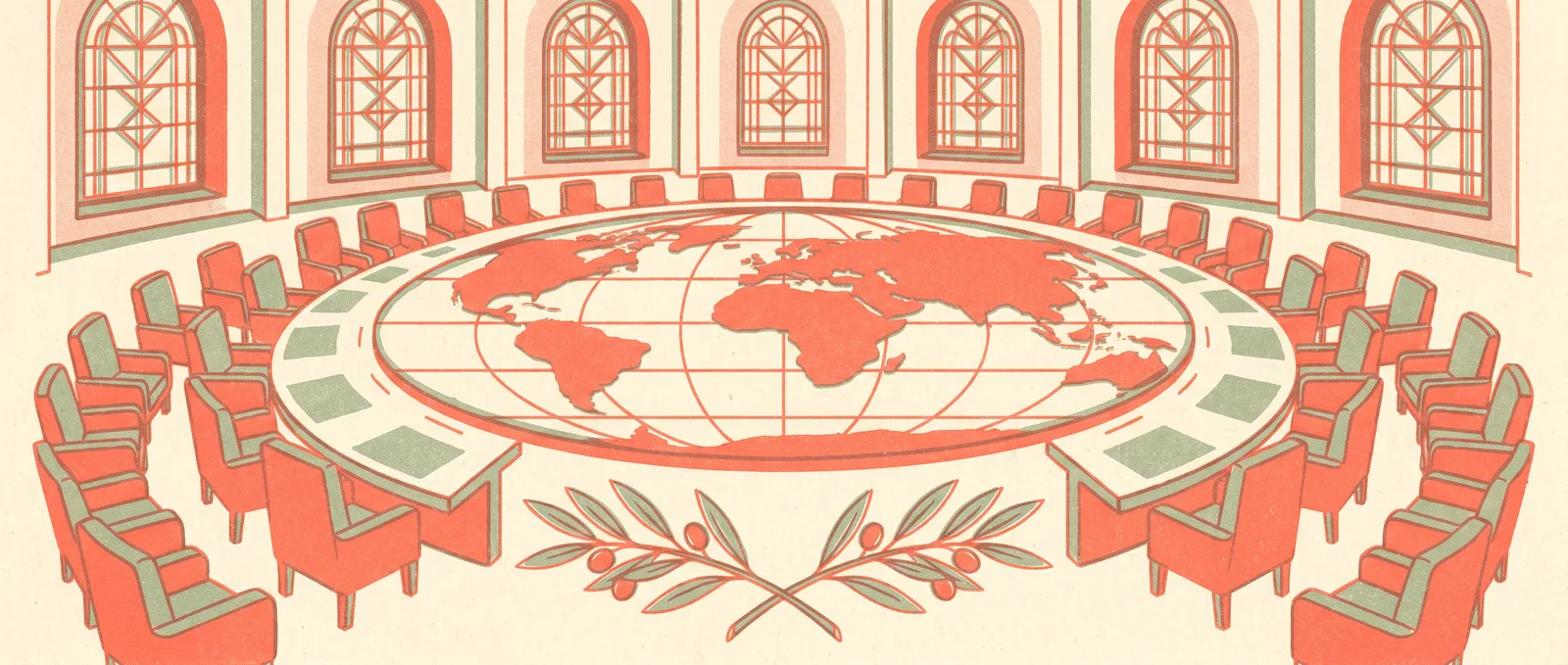
Starting tomorrow, Geneva becomes the center of the AI world for a week. The first-ever UN Global Dialogue on AI Governance runs July 6-7, flowing directly into the ITU’s AI for Good Global Summit from July 7-10. Reportedly over 11,000 participants from 169 countries are expected, including tech leaders like Jensen Huang and Andy Jassy alongside heads of state and researchers like Yoshua Bengio.
The Global Dialogue is new, it was created by the UN General Assembly to give all member states, not just the AI superpowers, a seat at the table when rules for the technology are discussed. A new AI for Good Commission, co-chaired by Salesforce CEO Marc Benioff and Rwandan President Paul Kagame, holds its first meeting on July 8, with a stated focus on bridging the AI access gap for the roughly 2.2 billion people without reliable internet.
Three concrete questions will decide whether the week produces more than photo opportunities. First, export controls: the recent Fable 5 episode, where a US decision abruptly cut off a frontier model for users worldwide, showed how much unilateral national decisions now affect everyone. Whether governments start consulting each other before such moves is on the table. Second, whether the US voluntary framework for reviewing frontier models can be squared with the EU’s AI Act and other national rules, so companies face one set of expectations instead of dozens. Third, whether the new commission gets real authority or stays aspirational.
What’s behind it: AI governance so far has been a patchwork, an EU law here, a US executive order there, bilateral deals everywhere. That worked when AI was a product like any other. But frontier models have become infrastructure that entire economies lean on, and the past month proved a single government can switch parts of it off. The Geneva meetings are the first serious attempt to build a shared process. Worth keeping expectations grounded: first-of-their-kind UN dialogues rarely produce binding rules, and 169 countries agree slowly.
What this means for you: Nothing changes in your apps this week. But if you build on AI, or your company depends on it, the export control discussion is the one to watch: it determines how likely it is that a model you rely on disappears overnight again. For everyone else, this is the moment AI officially stopped being a tech story and became a diplomacy story. We’ll summarize the outcomes that actually matter once the week wraps up.
Sources
This open-source tool hides text in images to cut Claude's bill by up to 70%
pxpipe converts long text prompts into compact PNGs because Claude charges less for pixels than for characters. Savings are real, but so are the tradeoffs.