Anthropic Can Now Read Claude's Inner Monologue, Meet the Jacobian Lens
Anthropic's new J-Lens method reveals a hidden 'working memory' inside Claude where the model holds concepts it never says out loud, and changing it changes Claude's answers.
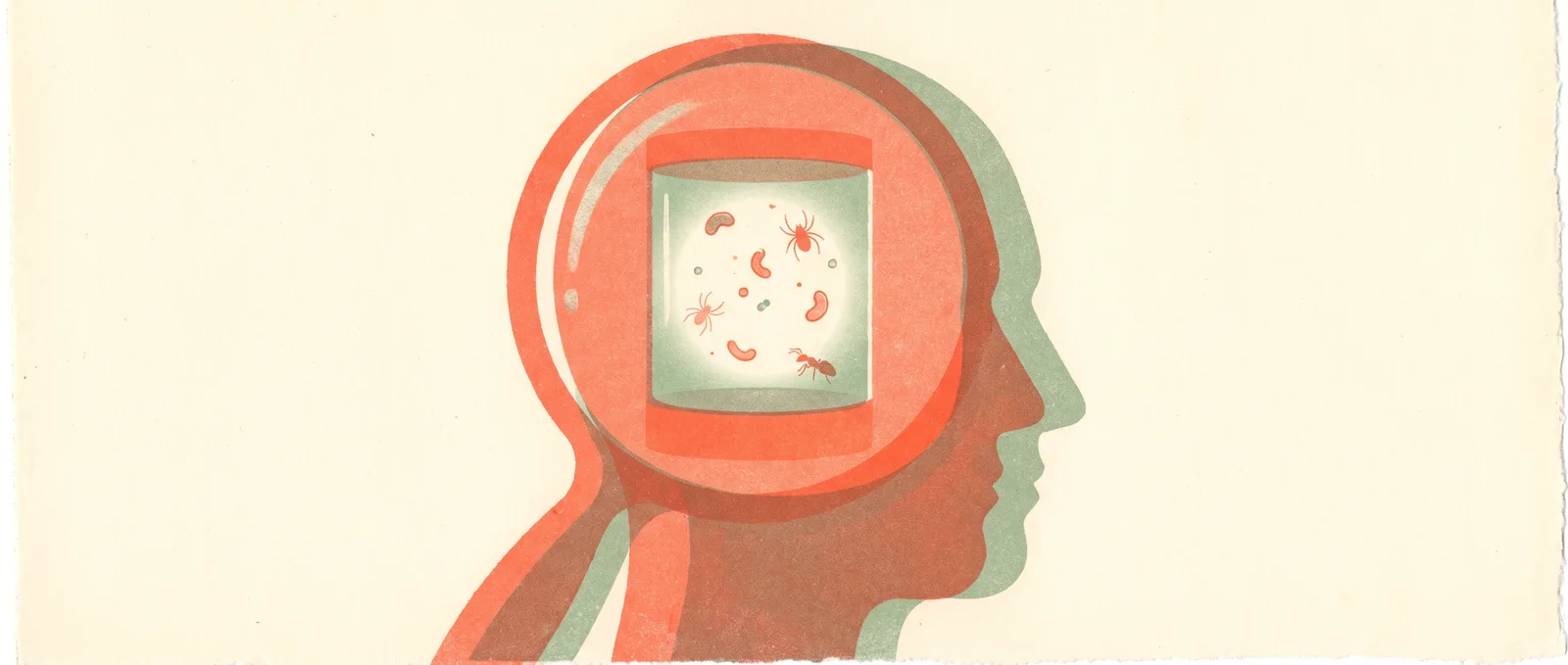
Anthropic has published a new research method called the Jacobian Lens, or J-Lens, that lets researchers read something remarkable: a kind of inner monologue inside its Claude models. The method reveals a small set of internal neural patterns, the researchers call it “J-Space”that behaves like a working memory, holding word-like thoughts the model never actually writes in its answers.
Three findings stand out. First, every pattern in J-Space maps to a word or concept without the model having to say it, like thinking in words silently. Claude can report what’s stored there, change it on request, and use it for multi-step reasoning. Second, J-Space doesn’t just mirror Claude’s thinking, it steers it. In one experiment, researchers found the concept “spider” held in J-Space while Claude worked out a leg-count puzzle. Swap that internal representation for “ant,” and the model’s answer changes accordingly. That’s causal control, not just correlation. Third, the model can apparently recognize test scenarios in this internal space before it starts writing a response.
What’s behind this? The work builds on Anthropic’s earlier interpretability research, the field that tries to understand what actually happens inside AI models, which are usually black boxes even to their makers. The researchers frame J-Space using Global Workspace Theory, an idea from consciousness research which holds that conscious thought relies on a central working memory that different brain processes share. Anthropic is careful here: the company explicitly does not claim Claude is conscious. It points to functional parallels with human working memory, similar job, no claim about inner experience.
The practical payoff is already real: insights from J-Lens have led to a new training approach that Anthropic says significantly reduces hallucinations, cases where a model confidently states things that aren’t true, and misleading outputs.
What this means for you: Nothing changes in your Claude app today. But this research matters for a question everyone eventually asks about AI: “How do I know it’s not making things up?” Being able to see what a model holds in mind, and correct their training based on it, is a concrete step from “trust us” toward “we can check.” For most people the takeaway is simple: the tools for understanding AI from the inside are getting better, and fewer hallucinations will quietly show up in future models. Keep the consciousness headlines at arm’s length, though, parallels to working memory are fascinating, but they’re about function, not feelings.
Sources
Claude Cowork Comes to Mobile and Web, Your AI Agent No Longer Lives Only on the Desktop
Anthropic is rolling out Claude Cowork to phones and browsers: start a task at your desk, approve decisions from your phone, pick up results anywhere.