Light to Ultra: Making Sense of GPT-5.6's Seven Thinking Speeds
GPT-5.6 Sol asks you to choose how hard it should think. An OpenAI staffer has now explained what each reasoning level is for — here's the plain-language version.
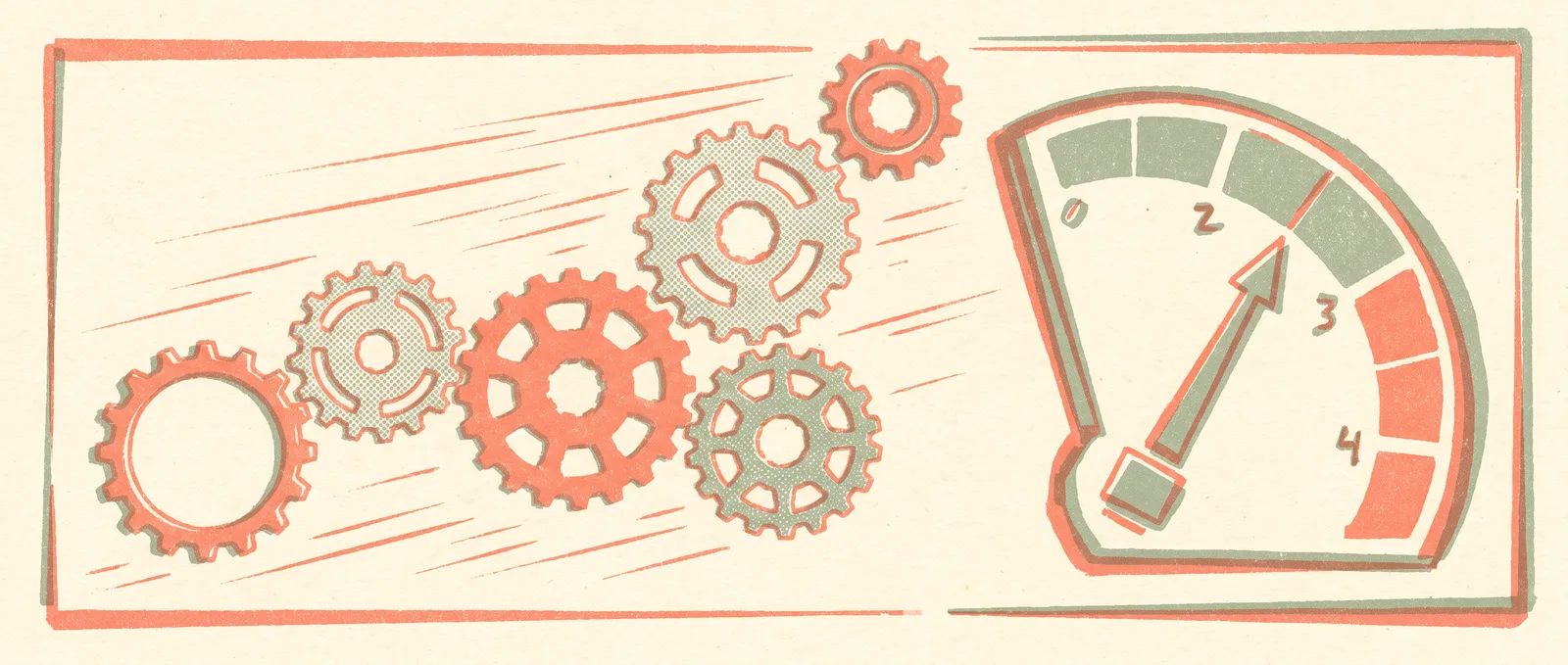
If you’ve opened GPT-5.6 Sol and stared at a menu offering Light, Low, Medium, High, xhigh, Max, and Ultra — you’re not alone. These are reasoning levels: settings that control how much time and effort the model spends thinking before it answers. More thinking generally means better answers on hard problems, but also slower responses and, for API users, higher costs. Now OpenAI’s Vaibhav Srivastav has explained which level actually fits which job.
The short version: Light and Low are for quick, clear-cut tasks — a rewrite, a simple question, a summary. Medium handles planning and analysis, the everyday middle ground. High and xhigh are for complex, multi-step work or what Srivastav calls “careful verification” — think debugging something gnarly or checking an important document line by line. The top two work differently: Max lets the model spend much more time on one single problem, while Ultra splits a task among multiple sub-agents — separate AI workers each tackling a piece in parallel. Srivastav’s practical advice is refreshingly simple: start low, and only scale up when the answer isn’t good enough. One switching tip: the levels don’t correspond to GPT-5.5’s old tiers, so if you’re migrating, start one level lower than you’re used to.
What’s behind this? There’s a real tension in today’s AI products. The labs say they want assistants so simple that, as OpenAI’s co-founder once put it, “almost no interface” is needed — and yet here we are, choosing between seven thinking speeds like gears on a bike. The honest reason is money and physics: deep reasoning burns enormous computing power, and someone has to decide when it’s worth it. Handing you the dial outsources that decision — and, as a side effect, teaches OpenAI which levels people actually pick. It’s also not the full picture yet: Sol’s Pro tiers, which leaked in a research paper earlier, are still missing from the lineup.
What this means for you: If you just use ChatGPT casually, don’t overthink it — the default is fine, and this menu is mostly for people pushing harder tasks. If you’re a power user, “start low, scale up” is the rule that saves you both waiting time and money: most everyday tasks genuinely don’t benefit from High, and Ultra is for the rare job you’d otherwise split among colleagues. A good habit is asking yourself the question the levels imply: would I have given this task five seconds of thought, or five minutes? Pick accordingly.
Sources
OpenAI Says GPT-5.6 Sol Trained Its Own Smaller Sibling
Given one vague prompt, OpenAI's flagship model picked the GPUs, set the training configuration, and post-trained the smaller Luna model on its own. The 'automated researcher,' OpenAI says, is close.