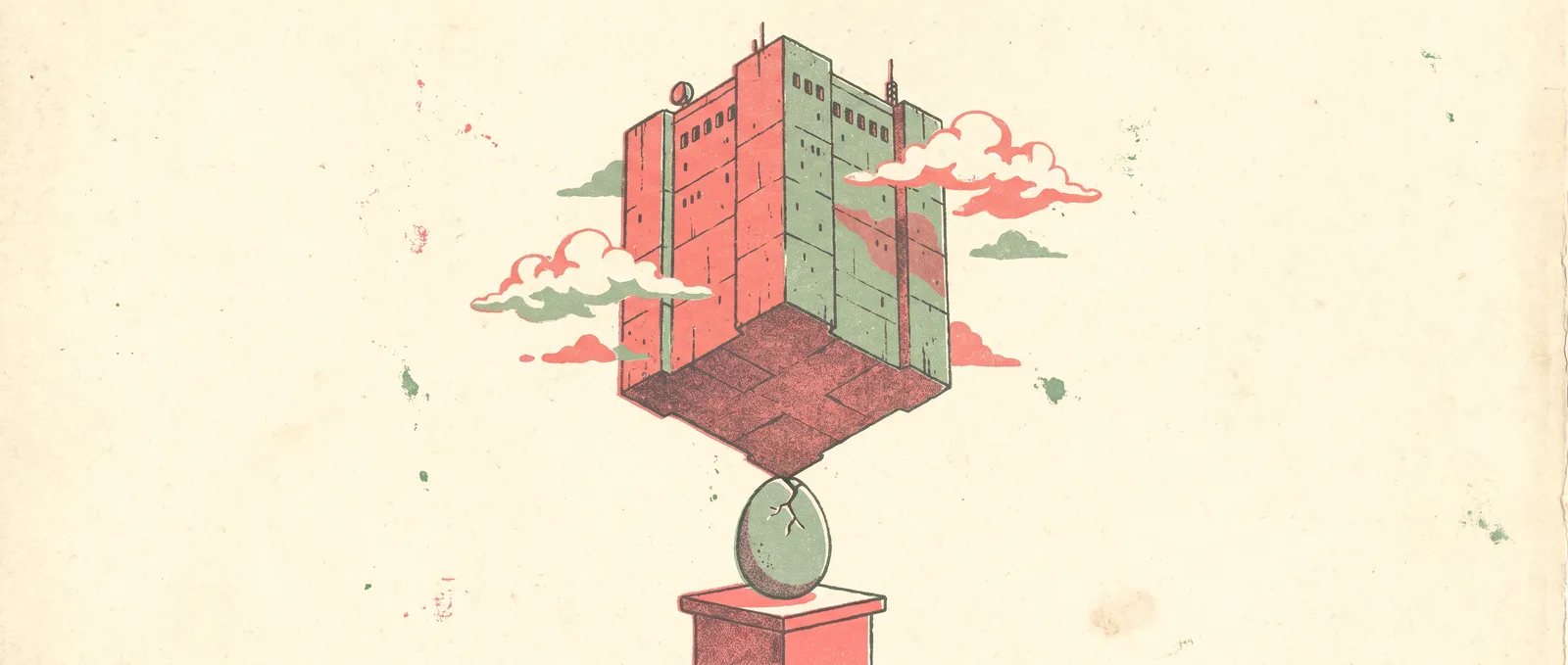
Meta Kills the Feature That Let Anyone Generate AI Photos of You — No Consent Needed
Muse Image let users create AI pictures of any public Instagram account just by @-mentioning it — on by default, opt-out buried in settings. After days of criticism, Meta pulled it.
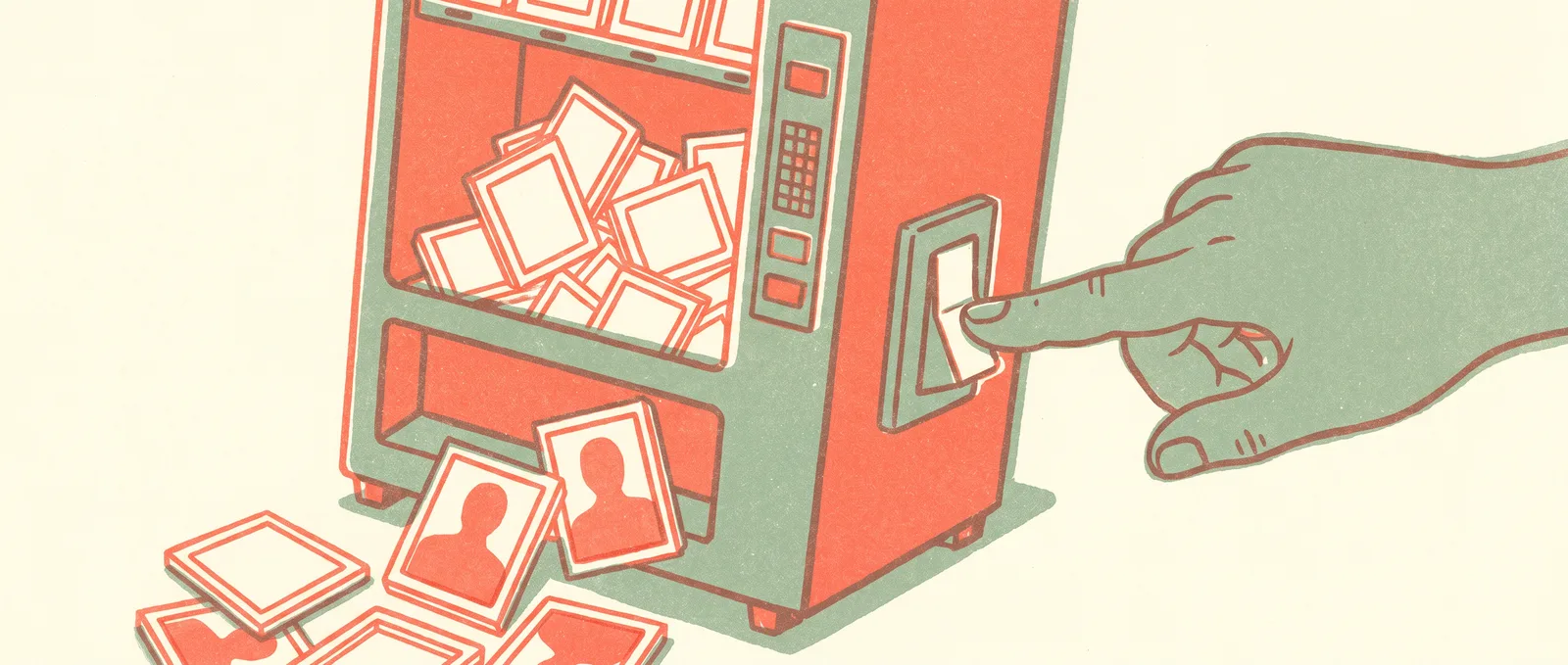
Meta has pulled a controversial feature from Muse Image, its new AI image model, just days after launch. The feature let anyone generate AI images of other people simply by @-mentioning their public Instagram account — no permission required, just a username. It was switched on by default: if you didn’t want your photos used as raw material for strangers’ AI images, you had to find the opt-out in Instagram’s settings yourself. After widespread criticism, Meta admitted the feature “missed the mark” and shut it down.
The company says the goal was “a useful creative tool” paired with control over whether public content could be referenced this way. In practice, the control ran backwards — consent was assumed, and objection took effort. In Europe, the feature likely wouldn’t have survived long anyway: EU data-protection rules generally require an opt-in (asking first) rather than an opt-out for processing personal data like your photos.
What’s behind this? A pattern worth recognizing. AI companies keep shipping “generate images of real people” features because they’re viral hits — OpenAI’s now-discontinued Sora app had a similar “cameos” feature, though notably that one required the person’s permission before others could use their likeness. Meta skipped the permission step, presumably because friction kills virality. The backlash was predictable, and the retreat equally so. The underlying tension isn’t going away: your public photos are exactly the training and reference material these features need, and the industry keeps testing how much of that it can take by default before people push back.
There’s also a quieter lesson in the timeline. Meta announced the feature, watched it spread, absorbed a few days of criticism, and only then pulled it. “Ask forgiveness, not permission” is a product strategy here, not an accident — and public pressure demonstrably works.
What this means for you: If you have a public Instagram account, this specific feature is gone, but the settings toggle it introduced is worth knowing about — check Instagram’s settings for AI-related options and decide deliberately what you’re comfortable with. More broadly: anything you post publicly can end up as reference material for someone’s AI experiment, and defaults tend to favor the platform. It costs five minutes to review those defaults; for most people, that’s five minutes well spent.
Sources
Source: https://about.fb.com/news/2026/07/introducing-muse-image-meta-ai/
S&P Downgrades Oracle, Calling OpenAI a 'Key Credit Risk' — One Notch Above Junk
Rating agency S&P Global cut Oracle's credit rating to BBB-, warning that roughly half of Oracle's $638 billion in contracted business depends on OpenAI. A look at the AI boom's financial plumbing.