Anthropic Says It Rewrote a Million Lines of Code in Two Weeks Using Its Own AI
Anthropic published how its engineers used Claude Code to port huge codebases between programming languages in weeks instead of years. Impressive, genuinely useful, and a good window into what AI coding is actually good at.
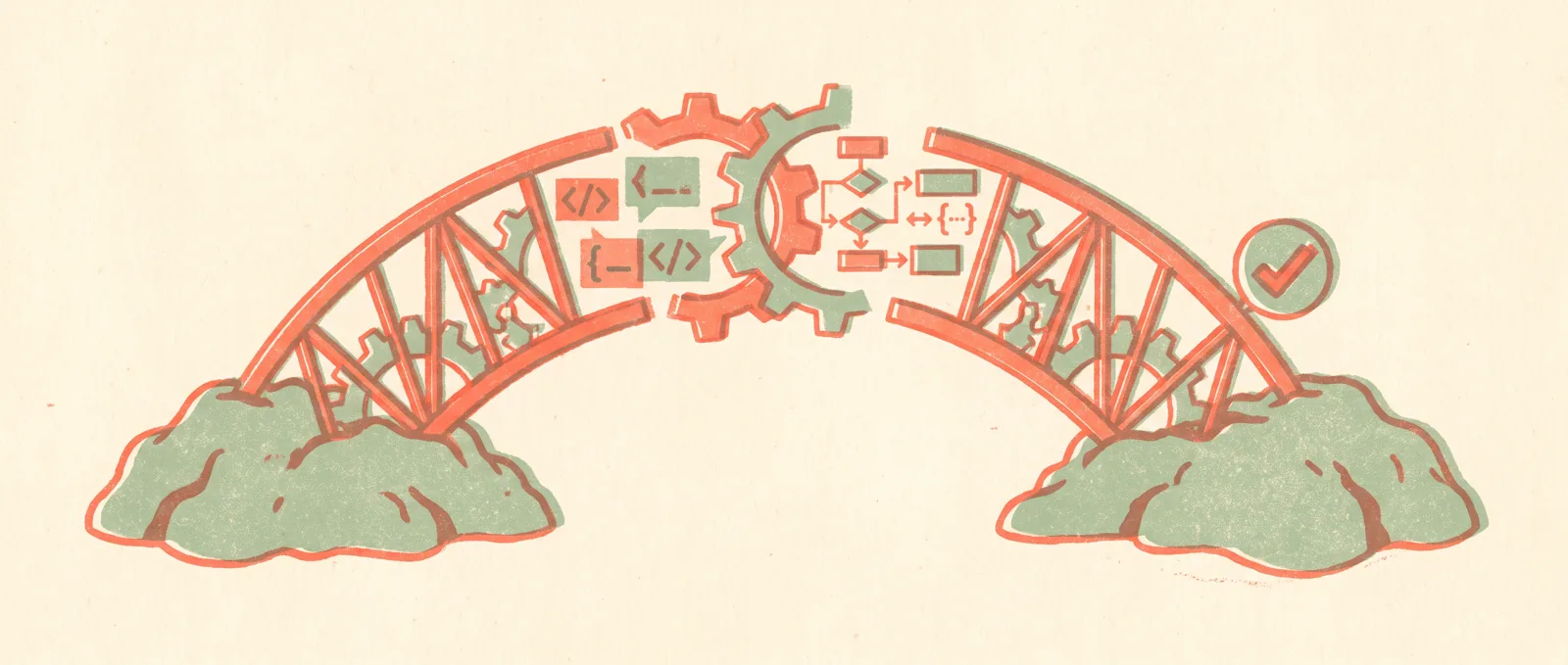
Anthropic has published a look at how its own engineers are using Claude Code, its AI coding tool, to tackle one of software’s most dreaded chores: migrations. A “migration” here means rewriting an existing program from one programming language to another, or onto new foundations. Historically these projects were multi-year slogs. In the last month, Anthropic says individual developers moved ten separate code packages, tens to hundreds of thousands of lines each, in a fraction of that time.
The showcase example is eye-catching. Jarred Sumner, creator of the popular JavaScript tool Bun, used Claude Code to rewrite it from the Zig language to Rust, producing about a million lines of code in under two weeks, with all of Bun’s existing tests passing before the changes were merged. Separately, Anthropic’s Mike Krieger (a co-founder of Instagram) reportedly moved a Python codebase to 165,000 lines of TypeScript over a single weekend.
Here is the part worth understanding, because it explains why this works when “AI writes my whole app” often does not. Anthropic did not just tell the model “rewrite this.” Its method is a disciplined loop: first build a “rulebook” and a map of how the pieces depend on each other, then translate in small pieces, then lean hard on the existing test suite to catch mistakes. A “test suite” is a collection of automated checks that confirm the code still does what it should. That last ingredient is the secret. Migrations are a near-ideal AI task precisely because there is already a correct answer to check against: the old program’s behaviour. The AI proposes, the tests judge, and anything broken gets caught before it ships.
What this means for you: If you write code, the practical lesson is more valuable than the headline. AI shines on large, tedious, well-defined work where success is verifiable, and migrations are the poster child. The takeaway you can use: give the model structure and a way to check itself (clear rules, small steps, strong tests) rather than one giant vague instruction. If you do not code, the signal still matters. Rewriting old software is a huge, expensive bottleneck across every industry, and shrinking years to weeks changes what companies can afford to modernise. A fair caveat: this is Anthropic demonstrating Anthropic’s product, and the wins came from expert engineers who knew how to steer it and verify the output. The tests passing, not the model’s confidence, is what made it trustworthy.
Sources
News Corp Countersues Brave, and the Fight Is Really About Who Pays for AI's Reading Material
Rupert Murdoch's News Corp is countersuing the Brave browser, accusing it of scraping Wall Street Journal and New York Post articles and reselling summaries to AI firms. A messy case that gets at a question every AI user has a stake in.