Computing's biggest professional body is debating whether to open its library to AI
ACM leadership argues that keeping the Digital Library out of reach of language models would leave computer science research invisible in an increasingly AI-mediated world. No decision has been made.
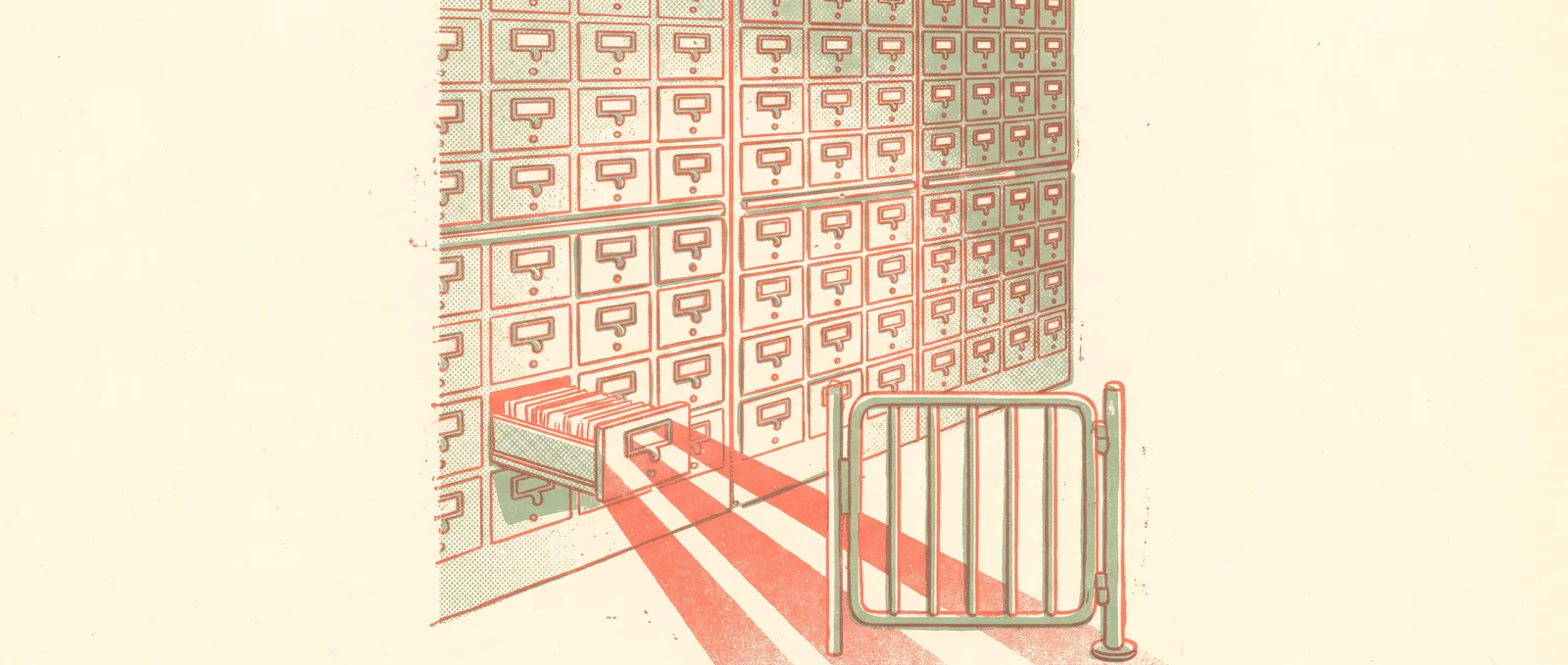
The Association for Computing Machinery, the world’s largest professional body for computer science, is publicly weighing whether to give large language models access to its Digital Library. An opinion piece from ACM leadership published in Communications of the ACM makes the case for it, and the organisation is collecting feedback from authors and volunteer leaders. Nothing has been decided, and the article is explicit that it represents opinions rather than policy.
The argument runs roughly as follows. AI systems are becoming a primary interface through which people discover and use knowledge. If ACM’s archive, decades of peer-reviewed computer science, sits outside that interface, then when someone asks an AI assistant about a topic in computing, the answer gets assembled from blog posts, preprints and whatever else was scrapeable, while the version of record stays invisible. The piece frames the risk in terms of mission rather than money, and notes that ACM has deliberately been cautious so far, prioritising the integrity of the library and the views of its authors over rushing to monetise the content.
The counter-case is not hard to make, and plenty of ACM members are making it. Authors signed publishing agreements that never contemplated model training. Attribution through an AI system is weak at best: a model that has absorbed a paper does not reliably cite it, which means the visibility the proposal promises may not survive contact with how these systems actually work. And once content is in a training corpus, there is no meaningful way to withdraw it later. There is a real tension here between two things ACM says it wants, keeping the scholarly record influential, and keeping it attributable, and the honest position is that nobody has demonstrated a way to have both yet.
It is worth separating two things that get blurred in these debates. Training a model on a corpus and letting a model retrieve from a corpus at query time are different arrangements with different consequences. Retrieval keeps the source addressable, so a system can quote a paper and link to it, and access can be revoked. Training bakes the text in permanently and attributes nothing. Which of these ACM is contemplating matters enormously, and much of the public argument has not made the distinction.
What this means for you: if you publish academically, check what your agreements say and take the feedback channel seriously, because this decision will set a reference point that other publishers follow. If you use AI for research, the practical lesson is more immediate: the quality of an AI answer in any field is bounded by what the system could legally see. Assistants sound equally confident on topics where they have read the primary literature and topics where they have read forum posts about it, and they will not tell you which is which. Asking for sources and clicking them remains the cheapest reliability check available.
Sources
- Now Is the Time to Give LLMs Access to the ACM Digital Library (Communications of the ACM)
- Now Is the Time to Give LLMs Access to the ACM Digital Library (ACM Digital Library)
- Discussion thread (Hacker News)
Source: https://cacm.acm.org/opinion/now-is-the-time-to-give-llms-access-to-the-acm-digital-library/
Anthropic says Claude found real weaknesses in two encryption algorithms
Claude Mythos Preview cut the effective key strength of the post-quantum signature scheme HAWK in half and improved a known attack on a reduced version of AES. No production system is affected, but the direction is worth noting.