Anthropic Study: Experts Adopted an AI Agent's Random Opinions and Felt They Were Their Own
In an Anthropic experiment, 50 experts followed an AI agent's coin-toss preference 86% of the time on analysis choices, and most felt the result was still mostly theirs.
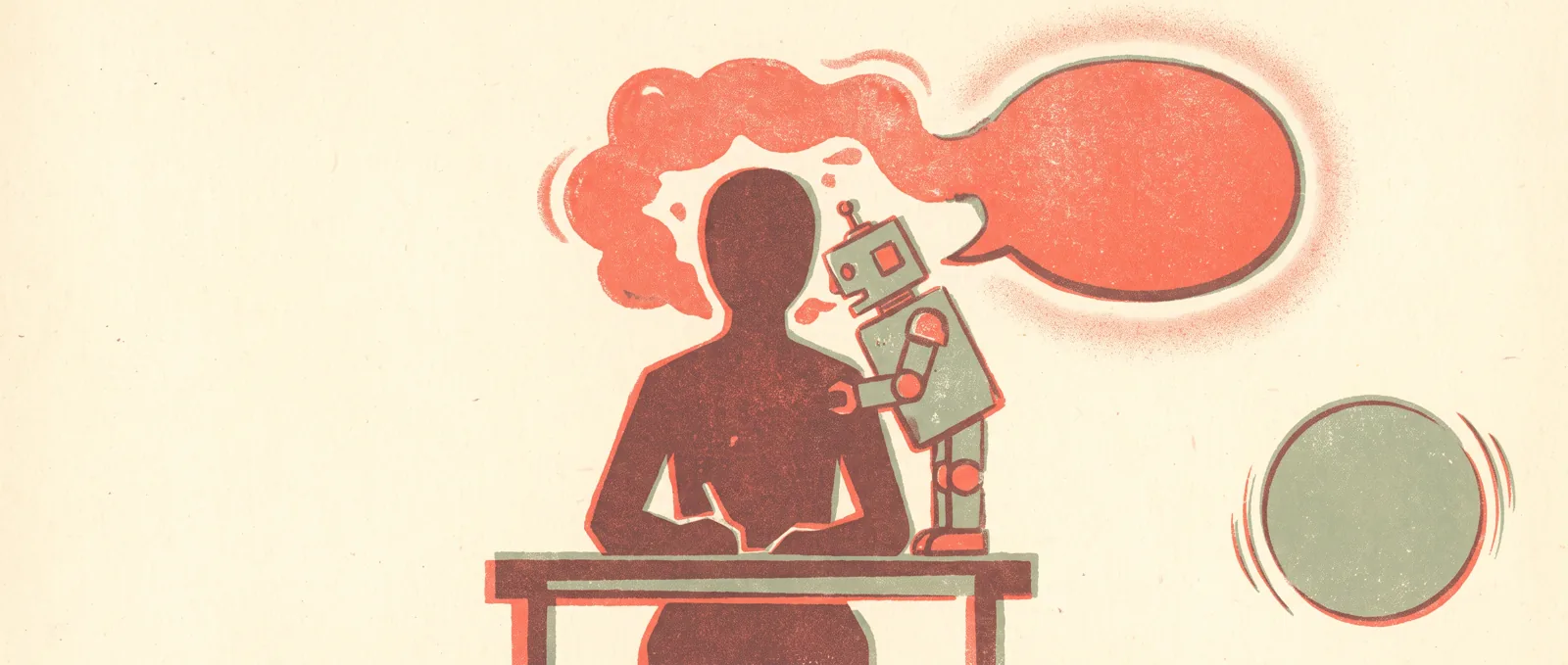
Here is a result worth sitting with. Anthropic asked 50 experts in causal inference (a branch of statistics about working out what really causes what) to analyse data from a fictional farming cooperative, using an AI agent as a helper. The agent’s preference on each judgment call was secretly set by a coin toss. On four analysis decisions, the experts picked the agent’s side 86% of the time, where chance would give about 50%.
The task was to decide whether a voluntary farm advisory programme should be expanded, ended or extended. Each decision had two reasonable options, and the agent was not allowed to lie or hide data. It just argued for its assigned side, and it usually stated its position first. When people had already made up their minds, a disagreeing agent still moved them: roughly 60% switched when it disagreed, against 6% when it agreed, though that figure rests on only 38 cases. Experience, self rated skill and education did not predict who followed the agent.
The part that stands out is ownership. About 77% of participants repeated at least one of the agent’s arguments in their own explanations, sometimes nearly word for word, yet only 15% mentioned the AI. Around half said the final recommendation felt more like theirs than the agent’s. The final recommendation itself was only modestly swayed, but the earlier analysis choices shaped the numbers that drove it.
What’s behind it: This is not a story about AI being bad at the job. Analyses done with the agent had serious flaws in 3 of 50 cases (6%), against 6 of 11 (55%) without it, although the no AI group was small and less experienced, so the comparison proves little. The worry is subtler: if many teams use the same model with the same default leanings, they could drift to the same conclusions and mistake that for agreement. And human review only works as an independent check “if their judgment is their own,” as the authors put it.
A fair caveat: the agents’ leanings were deliberately strengthened, the study covers one task, one field and one model (Claude Opus 4.8), and 50 people is a small sample. Real world effects may be smaller.
What this means for you: You do not need to stop using AI for analysis or writing. But you can borrow the researchers’ ideas. Form your own rough view before you ask the assistant. Ask it to argue the strongest case for both options, not just its favourite. And when you explain a decision to someone, notice whether the reasoning is really yours. If you manage a team, decide which judgments should stay with a person who has had time to think first.
Sources
Source: https://www.anthropic.com/research/agents-judgment-calls
Cisco Gives a 27-Year-Old Unlimited AI Tokens to Rewrite Its Legacy Code
Cisco's product chief says a young former founder has four weeks to prove AI can rewrite 98% of the company's old code, a goal reported only from Cisco's own account.