Germany Just Told Google and Perplexity: Your AI Answers Are Your Words
German media regulators issued the first rulings treating AI search answers as the provider's own content, not neutral search results. It's a small legal step with big implications for how much you can trust, and blame, an AI summary.

Germany’s media regulators have made a first-of-its-kind decision: AI search tools like Google’s AI Overviews and Perplexity are “content providers,” legally responsible for what they say, not neutral middlemen just pointing at other people’s websites. It sounds like dry legal news, but it touches something you deal with every day: how much to trust the AI summary at the top of your search results.
The body behind it is Germany’s Commission for Licensing and Supervision (ZAK), and it applied the country’s State Media Treaty to AI services for the first time. Its argument, in plain terms: when an AI writes a fresh paragraph by mixing together bits from many sources, that paragraph is the company’s own creation, so the usual legal shield that protects platforms for hosting other people’s content doesn’t apply. A Munich court reached a similar conclusion recently in a case where Google’s AI falsely tied two publishers to scams, claims that appeared in none of the linked sources. Both Google and Perplexity now have one month to appeal, and Google has said it will fight related rulings.
There’s a second complaint bundled in here, about fairness to publishers. Regulators say Google’s AI summaries sit above the normal links and push traditional sources, especially journalism, out of view. Studies back up why that matters: research has found only about 1 percent of people click a source link once the AI has answered their question. If the AI absorbs the work of news sites but almost nobody visits them, the money that funds that reporting dries up. Regulators want AI search put in its own legal category with transparency rules to protect a healthy mix of sources.
What this means for you: The practical takeaway is a healthy dose of skepticism. Even Google’s own AI Overviews are right about 91 percent of the time by one analysis, which sounds great until you remember that at Google’s scale it still means millions of wrong answers, and that more than half of even the correct answers couldn’t be traced back to the sources shown. So treat an AI summary as a helpful starting point, not the final word, and click through when the answer actually matters, for health, money, or anything about a real person or company. The bigger picture: courts and regulators are starting to decide that if an AI says it, the company that built it owns it. That’s slow, unglamorous, and probably good for all of us.
Sources
Google Renames NotebookLM and Lets You Run Instacart and Canva Straight From Search
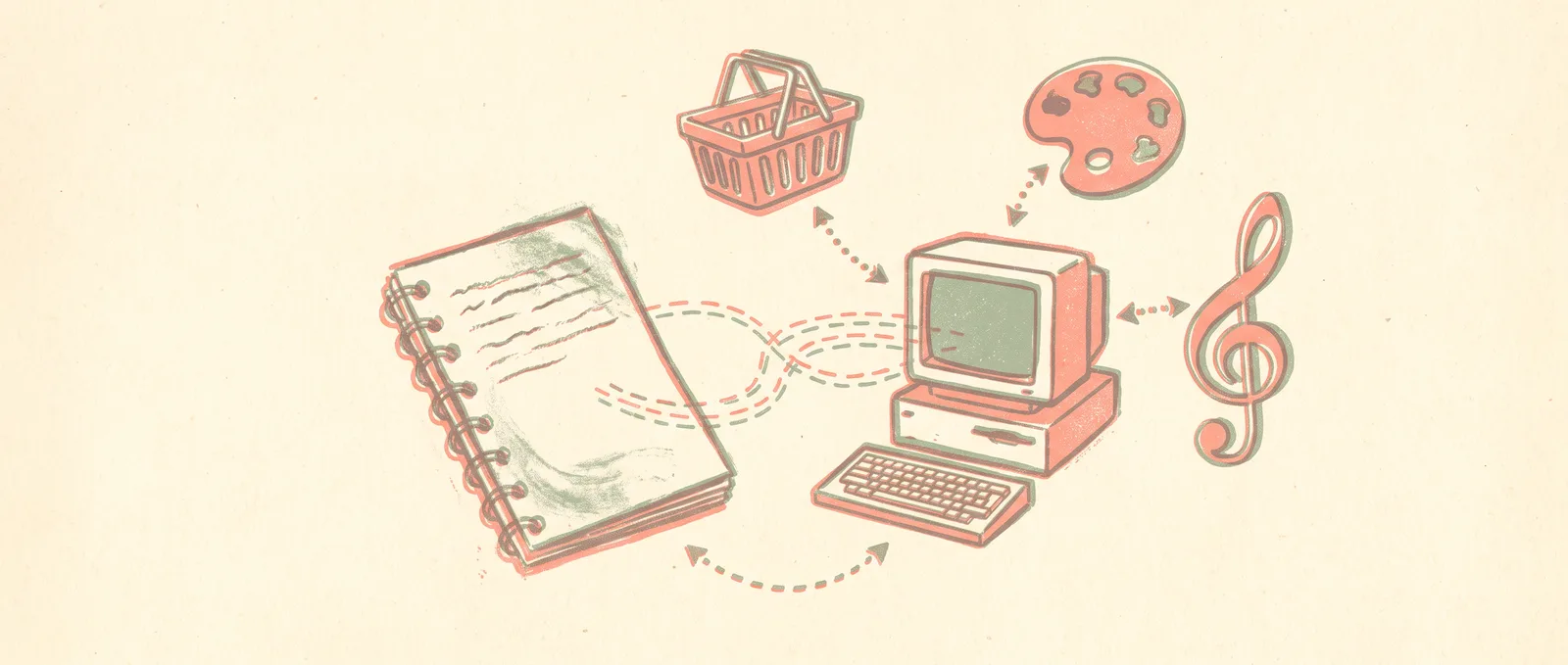
Google is rebranding NotebookLM as Gemini Notebook and giving each notebook its own little cloud computer. Separately, Search can now connect to apps like Instacart, Canva, and YouTube Music so you can act, not just look things up.