Anthropic Is Reportedly in Talks to Rent Computing Power From Meta, a Direct Rival
CNBC reports very early talks over a compute deal worth around $10 billion. Rival AI labs renting capacity from each other is becoming normal, and it tells you what the real bottleneck in AI is.

Anthropic is in very preliminary talks to lease computing power from Meta in a deal reportedly worth around $10 billion, according to CNBC. Nothing is signed, and early-stage talks often go nowhere, so treat the number as an indication of scale rather than a fact. The reason it is worth reading anyway is what it says about how this industry actually works.
Meta is a competitor. It builds its own AI models and sells its own AI products. It is also spending somewhere between $125 and $145 billion on infrastructure this year, including a commitment of around $50 billion to a single data centre project in Louisiana, and it has been openly building a business to sell spare capacity. Anthropic, for its part, needs predictable access to computing power more than it needs ideological purity about where that power comes from, particularly with a public offering on the horizon and investors who prize predictable costs.
This is not an isolated arrangement. Several frontier labs already rent capacity from infrastructure that also trains competing models. The pattern is becoming the norm rather than the exception.
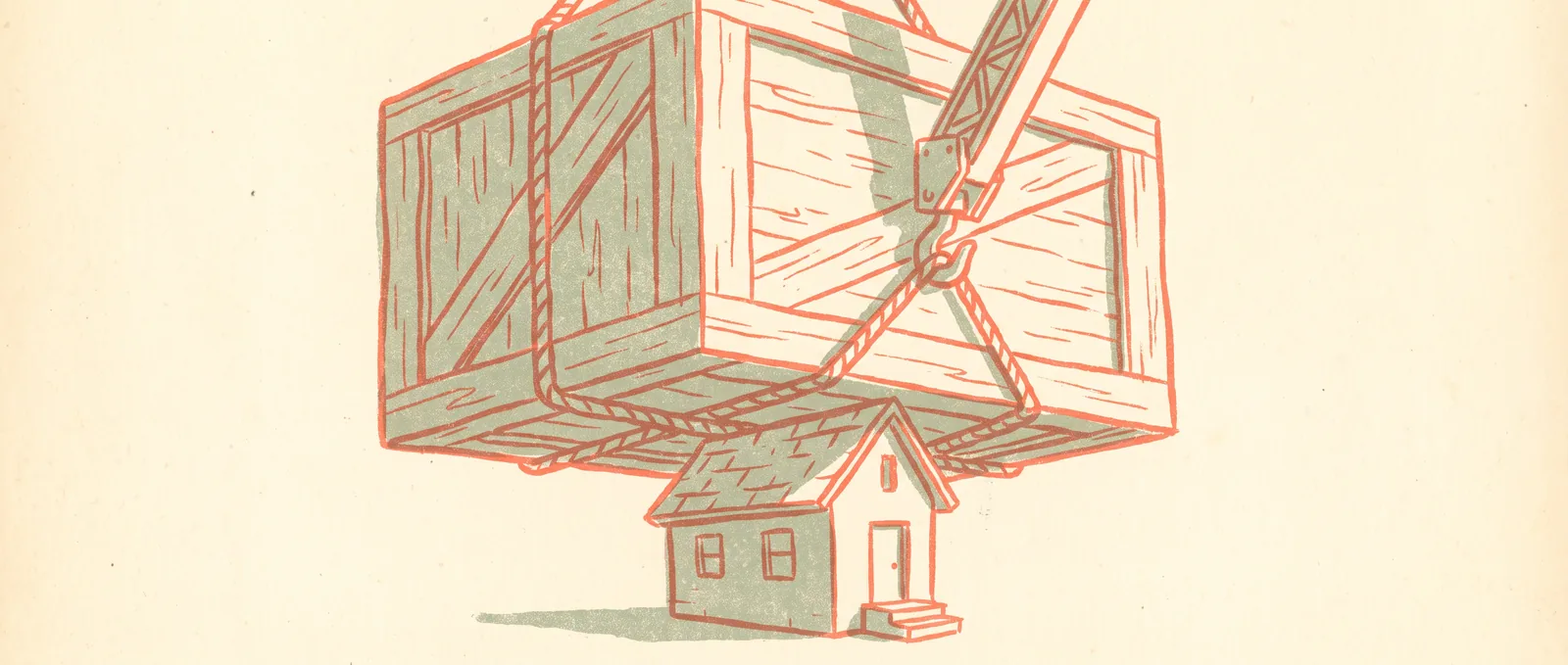
What is behind it: the binding constraint in AI right now is not ideas and it is not talent, it is compute. Compute is the plain word for the chips, data centres and electricity needed to train and run models, and there is not enough of it to go around. Building a gigawatt-scale data centre takes years, requires land and a power connection, and depends on chip supply nobody controls entirely. So when a lab needs capacity faster than it can build it, the only option is to rent, and the people with spare capacity are the ones who have been building hardest. That is how you end up renting from a rival: at that scale, being a landlord is simply a better business than being precious about who your tenants are.
You can see the same constraint from the other direction elsewhere in the news. Moonshot recently had to pause new Kimi K3 subscriptions because demand outran its available capacity. Different company, different country, same wall.
What this means for you: for everyday use of AI tools, nothing changes, and no, Meta would not get to read what you type into Claude. Renting server capacity is closer to renting warehouse space than to handing over the contents. What it does explain is why AI pricing keeps moving around, why free access windows keep ending, and why usage limits exist at all. The costs behind the screen are real and enormous, and every plan change you see downstream is that arithmetic working its way toward you.
Sources
Source: https://www.cnbc.com/2026/07/17/anthropic-meta-ai-compute.html
The Biggest Free AI Model Yet Arrives July 27. Here's What 'Open Weights' Actually Means
Moonshot promised to release the weights of Kimi K3, a 2.8-trillion-parameter model, on July 27. Free to download does not mean easy to run, and the gap between those two things is worth understanding.