A Small Open Coding Model Just Beat Rivals Ten Times Its Size, and You Can Run It Yourself
Poolside's Laguna S 2.1 is an open-weight coding model small enough to run on one desktop AI machine, yet it holds its own against models many times larger.
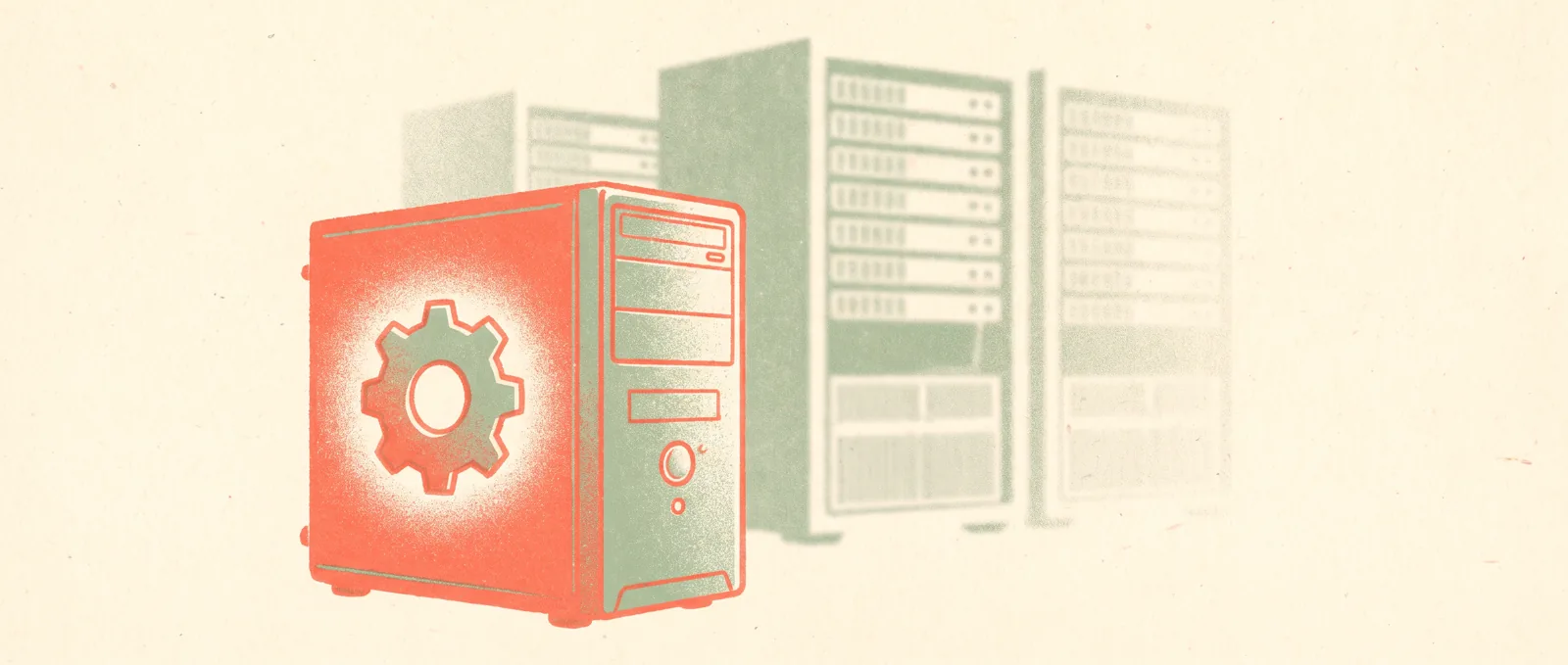
The AI startup Poolside has released Laguna S 2.1, a coding model with a surprising pitch: it is small, it is open, and it keeps pace with models many times its size. For anyone who wants capable AI coding help without renting it from a big cloud provider, that combination is a big deal.
Some plain-language specs. Laguna S 2.1 has 118 billion “parameters” (the internal dials a model tunes during training), but it only uses about 8 billion of them for any given piece of work. That design, called mixture-of-experts, is why it can be powerful yet efficient enough to run on a single NVIDIA DGX Spark, a desktop-sized AI machine, instead of a rack of servers. On Terminal-Bench 2.1, a test of whether an AI agent can carry out long, multi-step coding jobs on its own, it scored 70.2 percent, the best in its size class by a wide margin, and close to models several times larger. Poolside built it in under nine weeks and released the weights openly on Hugging Face, so anyone can download and run it, including through local tools like Ollama. A researcher on the team, Pengming Wang, said the gains came less from raw intelligence and more from teaching the model better work habits: “more verification, less taking things for granted, not declaring victory early, and being more persistent.”
Why does size matter so much here? Running a top coding model usually means paying a company per use through an API, with your code passing through their servers. A model small enough to run on hardware you own flips that: high-volume coding work can move off metered APIs and onto machines you control, which is cheaper at scale and keeps sensitive code in-house. It is also part of a bigger contest. Poolside is positioning Laguna as the West’s answer to strong open models from China, such as those from DeepSeek and Qwen, so this is as much about who leads open-source AI as it is about one model. A fair caveat: the team notes the model can sometimes “overthink,” running long before it makes progress, and it can stumble in coding setups that differ from the one it was trained on.
What this means for you: If you write code, this is a genuinely useful, free-to-run assistant that does not lock you into a subscription, especially if privacy or cost is a concern. If you are just curious about AI, the takeaway is the trend: capable models are getting small enough to run on ordinary powerful computers, which slowly shifts control away from a handful of giant providers and toward everyone else.
Sources
Alibaba's New Image AI Can Draw a Whole Newspaper Page, Tiny Readable Text and All
Qwen-Image-3.0 builds dense layouts like infographics and full pages in one pass, with legible ten-pixel text. But this time Alibaba is not sharing the model openly.