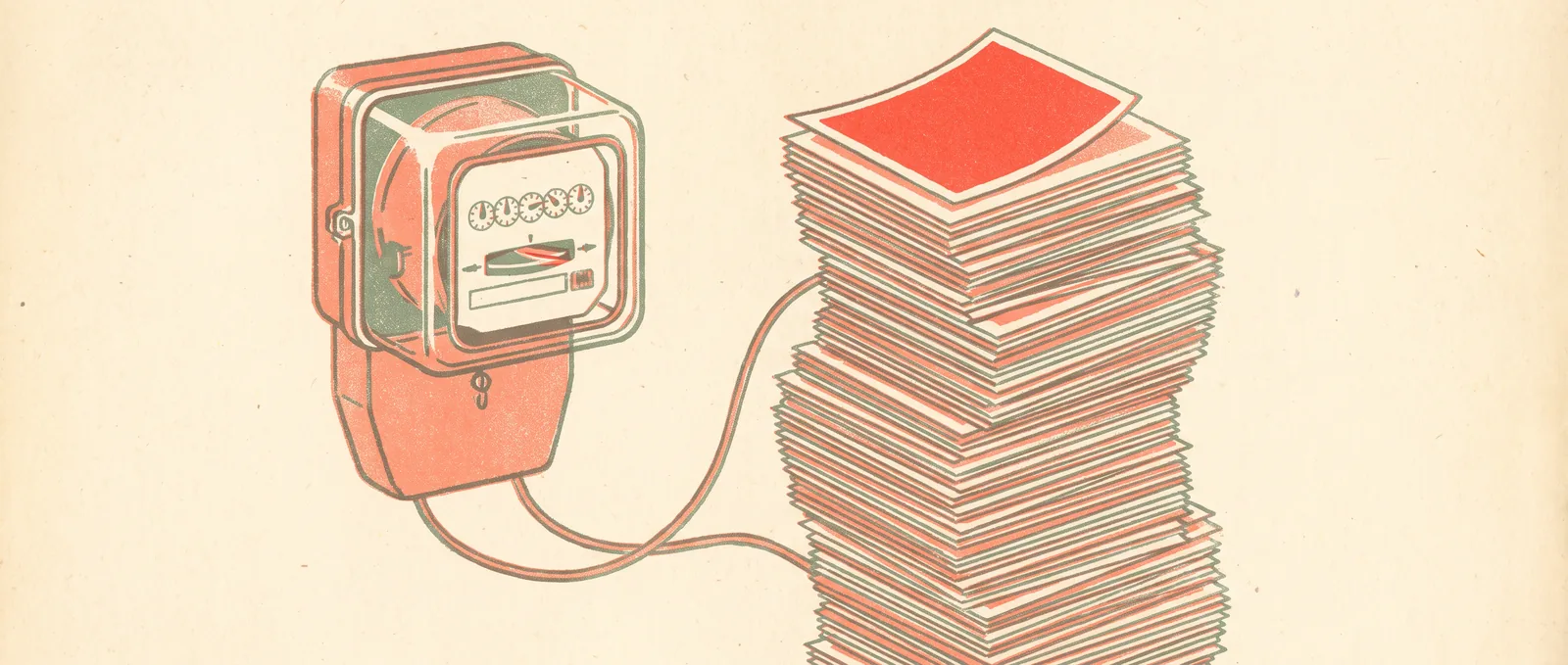
Backflip AI Turns 3D Scans Into Editable CAD Models, a Job That Usually Eats Hours
Most factories have digital models for less than one percent of their parts. A new model converts a scan into real, editable CAD geometry rather than a dead mesh, and runs as an Autodesk Fusion add-in.
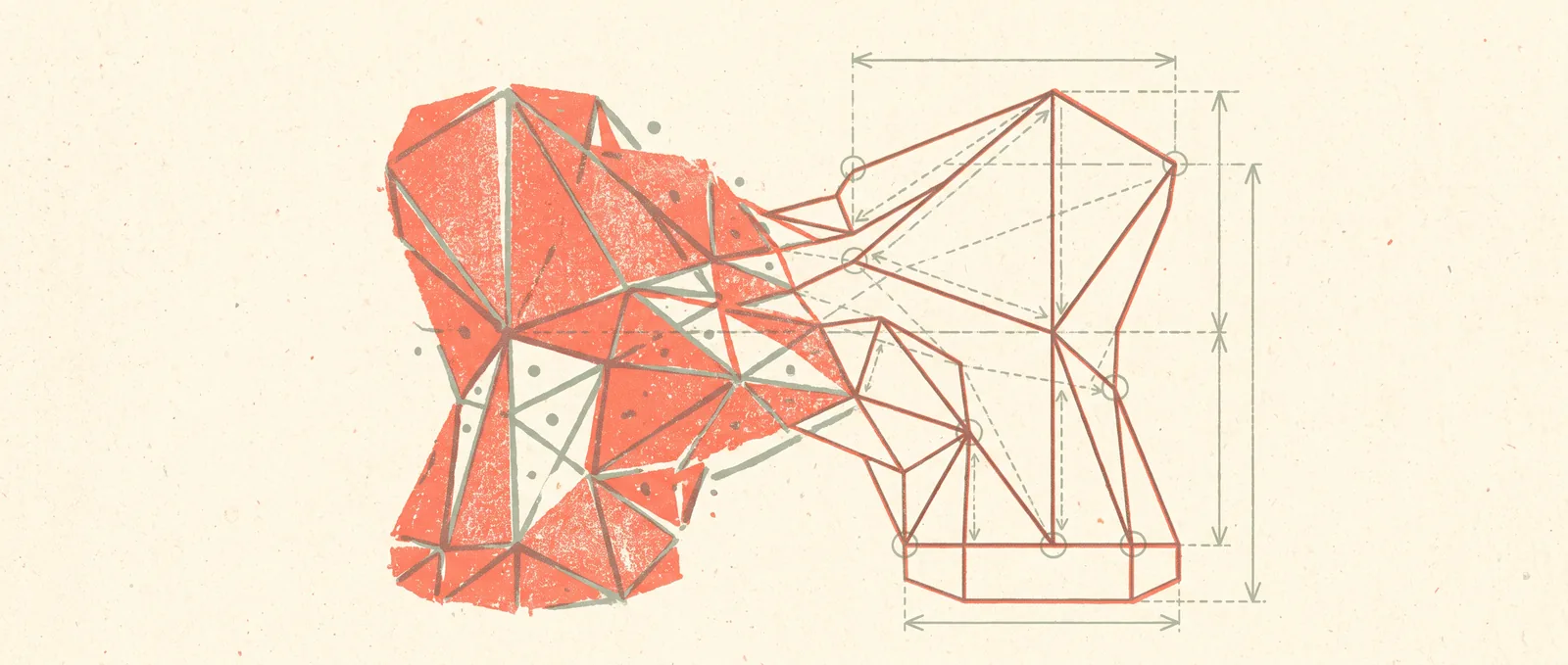
Backflip AI has released its second model for CAD generation, and it addresses a problem that sounds narrow but is enormous in practice: turning a physical object into a digital one you can actually edit. According to CEO Greg Mark, most factories have digital models for fewer than one percent of their parts. The rest exist as metal on a shelf, sometimes with a paper drawing, often with nothing.
The distinction that makes this useful is between a mesh and a CAD model. Scan a part today and you get a mesh, a shell made of thousands of triangles that describes the surface. It looks right and you can print it, but you cannot meaningfully change it. Ask for the hole to be two millimetres wider and there is no hole in the file, only triangles arranged in a circle. A CAD model is different: it stores the operations that built the shape, an extrusion here, a revolution there, so the hole is an object with a diameter you can type a new number into.
That is what Backflip says its model produces. It takes 3D scans and mesh files and outputs parametric CAD, meaning geometry defined by editable parameters. Earlier AI attempts in this space generated surface meshes, which left users back where they started. The company claims the process drops from hours of skilled work to a few minutes. It runs as an add-in for Autodesk Fusion, the CAD package a lot of small shops already use. Four reconstructions are free and paid plans start at 20 dollars a month. Backflip has been going since December 2024 and has raised 30 million dollars.
Worth keeping expectations grounded on two points. These are the company’s own figures, not independent testing, and reverse engineering a scan involves guessing the designer’s intent, so the model is inferring that a slightly wobbly scanned surface was meant to be a flat plane. That inference is usually right and occasionally confidently wrong, which is exactly the kind of error that is easy to miss and expensive to discover at the machining stage.
What this means for you: if you work anywhere near manufacturing, prototyping, or repair, this is one of the more concretely useful AI applications around, and the free tier is enough to test it on a part you already know well. That is the right first test: run something you can verify, and check the dimensions rather than the look. Aerospace and automotive are the loudest use cases, but the everyday version is smaller and more common, needing a replacement for a discontinued bracket nobody has a file for. For everyone else, this is a good example of AI doing something other than writing text. The interesting work is increasingly in narrow, unglamorous jobs where the old method was slow and required a specialist.
Sources
A Climate Scientist Logged Eight Weeks of AI Agent Use. It Drew 600 Times More Power Per Prompt Than a Chat Message
Zeke Hausfather tracked 3.2 billion tokens through Claude Code and estimated the electricity behind them. The per-prompt figures the AI labs publish turn out to describe a kind of use almost nobody does anymore.