Google Built a Tiny AI Model That Reads Glucose Traces
GlucoFM has 720,000 parameters, roughly a millionth the size of a chat model, and beats larger rivals at spotting metabolic patterns in continuous glucose monitor data.
Google Research has published GlucoFM, a foundation model trained to make sense of data from continuous glucose monitors, the small skin-mounted sensors that read blood sugar every few minutes. The notable part is the size. GlucoFM has about 720,000 parameters, the internal numbers a model learns during training. A chat model has hundreds of billions. This one would fit comfortably on a phone.
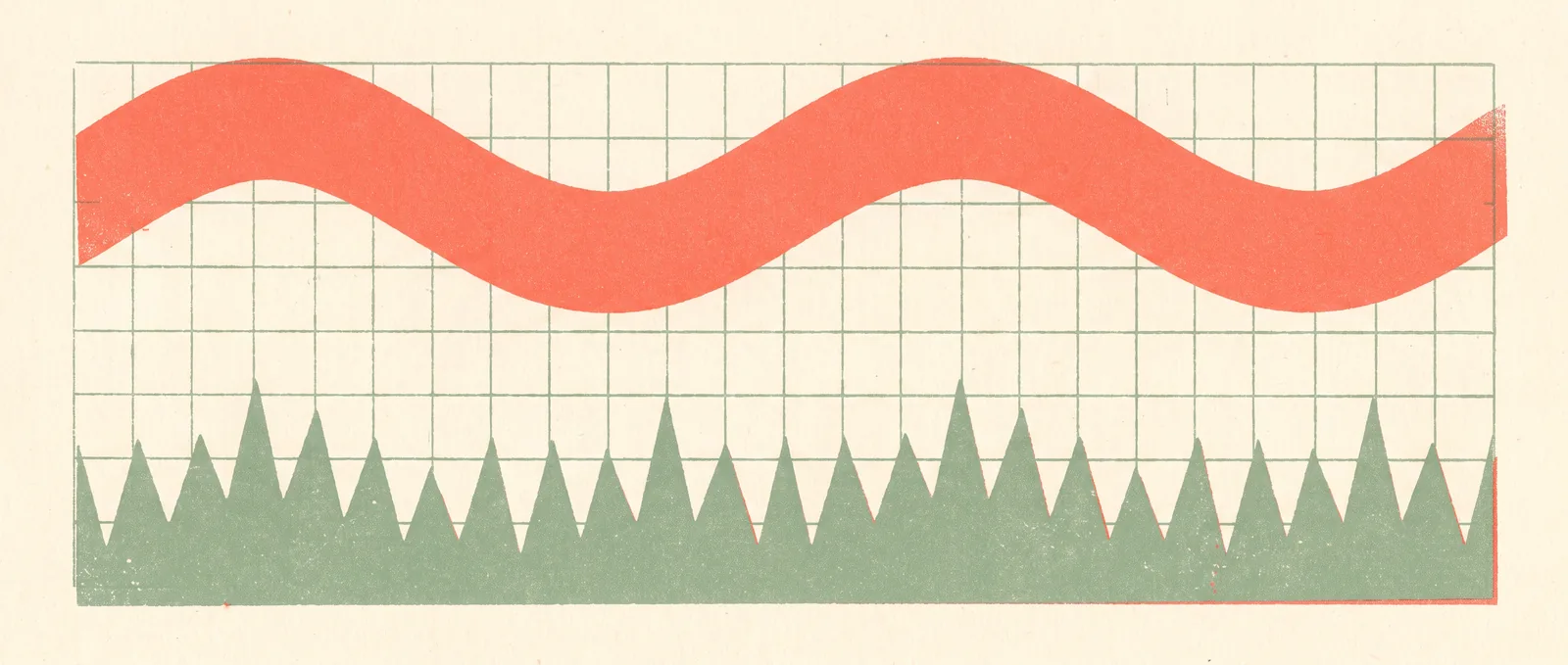
The design choice behind it is simple to describe. A glucose trace has two things happening at once: a slow baseline that drifts over the day, and short sharp deviations from meals, exercise or a sensor glitch. Previous models in this niche pushed both through a single processing stream. GlucoFM splits them, handling the slow trend and the transient events separately before combining them. It also keeps track of which readings are missing rather than quietly filling gaps in, which matters because real sensor data is full of holes.
It was pre-trained on 109,066 hours of unlabelled glucose data across five datasets. On 14 combinations of cohort and clinical task, average performance rose from 54.7 to 58.8 on a standard accuracy measure, a gain of 4.1 points over the best comparable model trained on the same data. It led every diabetes-risk and beta-cell-dysfunction evaluation, and in cross-cohort tests, where a classifier trained on one study group is applied to a completely different one, it came out ahead in 11 of 12 cases.
What’s actually going on here: the interesting idea here is not the results but the recipe. Foundation model usually conjures something enormous, but the term just means a model pre-trained on lots of unlabelled data so it can be adapted cheaply to many specific tasks afterwards. Labelled clinical data is expensive: someone has to run the blood tests. Unlabelled sensor data is nearly free, because people wear the sensors anyway. GlucoFM learns the shape of glucose from the free data, so the expensive labelled examples go a very long way. In the tests, it stayed ahead of rivals even when given a single labelled participant per category. That pattern, small specialist model plus abundant sensor data, is quietly becoming one of the more useful things AI does.
What this means for you: nothing yet, and it is worth being clear about that. This is a research paper, not a product, not a diagnosis, and not something in your glucose app tomorrow. The authors are explicit about the limits: the pre-training population is modest, responses vary between people and between sensor brands, and the model currently reads one 24-hour window at a time rather than following trends over weeks. What it does tell you is where consumer wearables are heading. The sensors on your wrist and under your skin already collect far more than anyone reads, and the models that will interpret them are small enough to run on the device rather than in a data centre, which is the version that keeps the data closer to home. If you follow AI mainly through chatbots, this is a good reminder that the field is much wider than that.
Sources
Source: https://research.google/blog/glucofm-foundation-model-for-continuous-glucose-monitoring/
Nvidia Agrees to Buy Hugging Face for $12.9 Billion
The chipmaker is reportedly buying the internet's main library of open AI models. The price is roughly 86 times the platform's annual revenue, and it hands one company an unusual amount of the open ecosystem.