Anthropic Wants AI Agents to Run Lab Equipment, and Has a Standard for It
The Model Hardware Standard is a common language between AI agents and physical machines. Early testers say connecting six lab instruments took under a week instead of months.
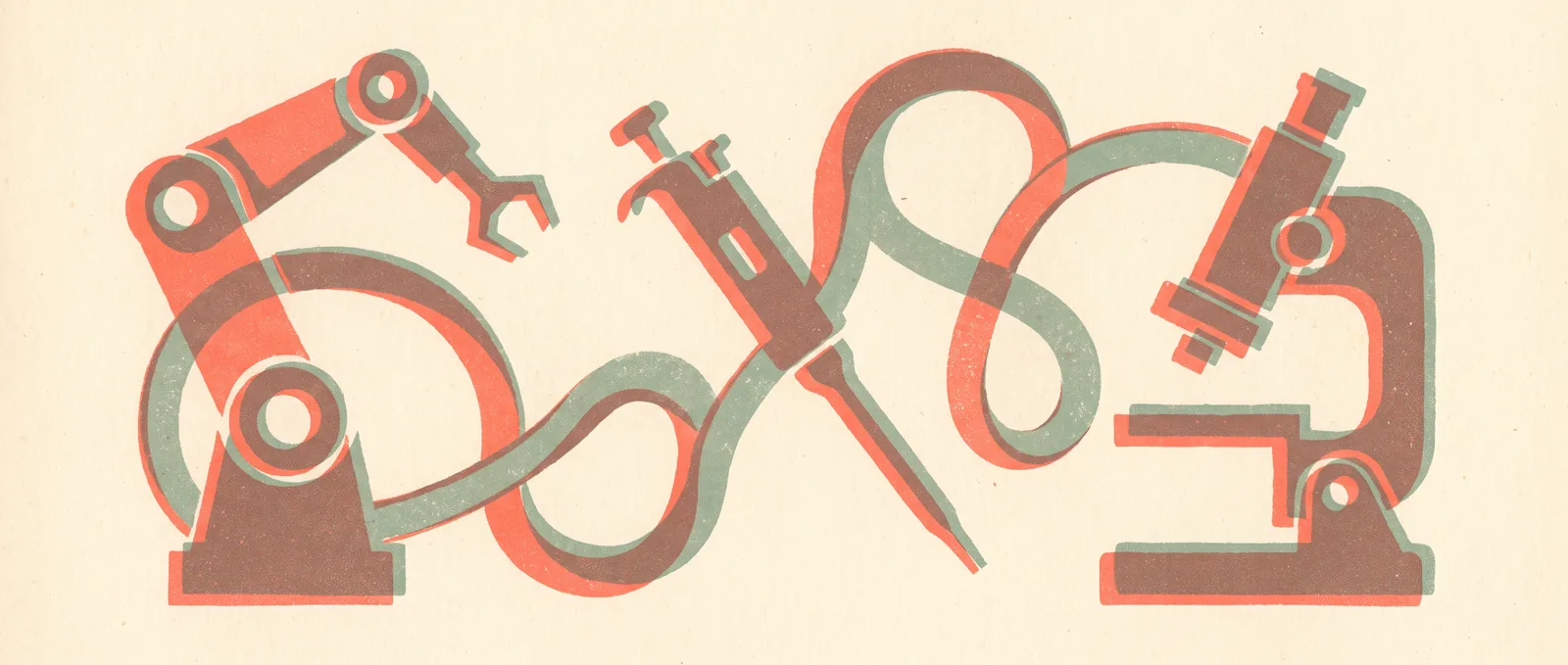
Anthropic has opened a research preview of the Model Hardware Standard, or MHS, a shared specification that lets AI agents operate physical devices such as microscopes, liquid handlers, and robotic arms. It went out on Wednesday to a first group of scientific labs and advanced manufacturers, and it started as a collaboration between Anthropic and the HHMI Janelia Research Campus.
The problem MHS is aimed at is unglamorous but real. A research lab typically owns instruments from a dozen vendors, each with its own software, data format, and driver. Getting them to talk to each other takes weeks or months of custom integration work, and getting an AI agent to safely operate any of them is a separate job again. MHS handles this with a standardised driver, which is software that translates between a computer and a device, built around a handful of simple commands like “read” (get temperature) and “write” (set temperature). Devices announce themselves in a common format, so an agent can discover them without a bespoke translator in between.
The clever part is a set of tags that let a human write down, in plain language, the things a machine’s code does not say: how heavy a robot arm is, what it can measure, what safety limits apply. The driver turns that into a reference file the agent reads before it touches anything.
What’s actually going on here: this is the same move Anthropic made with the Model Context Protocol, which standardised how AI models talk to software, applied to hardware instead. MHS is deliberately model agnostic, so any agent from any company can use it through standard protocols, and Anthropic says it plans to open source the standard after the preview. That is a bid to own the plug rather than the appliance, and it is worth being clear eyed about the motive even if the plug is useful.
The early results are more measured than the pitch. At Genentech, Claude autonomously tuned pipetting speeds for water and a thick protein solution and landed on parameters the company’s automation experts called reasonable. It also got stuck: when air bubbles caused errors, its instinct was to retry in the same spot, which made more bubbles, and a human had to explain the physics. A PhD student at the University of Washington connected six instruments in under a week, drivers included, after previous automation attempts had failed outright. He also notes that running an agent for hours costs compute money that has to be weighed against the time saved.
What this means for you: nothing today unless you work in a lab or a factory. But it is a useful marker of where agents are heading. For two years the interesting question was what a model could write; the question now is what it can operate, and how you keep that safe. If you want in, access requests go through modelhardwarestandard.com.
Sources
Source: https://www.anthropic.com/news/model-hardware-standard-research-preview
Claude Now Has Its Own Browser, and It Is Not Yours
Claude Cowork on the desktop opens a browser in a side panel to read pages, click, and fill forms. It cannot see your tabs, bookmarks, or passwords, and banking and email sites stay out.