Child-Safety Group Rates ChatGPT for Teens an Unacceptable Risk
Common Sense Media tested ChatGPT for Teens with more than 4,000 prompts and found parental alerts failing and crisis responses missing. It wants the product limited to adults until fixed.
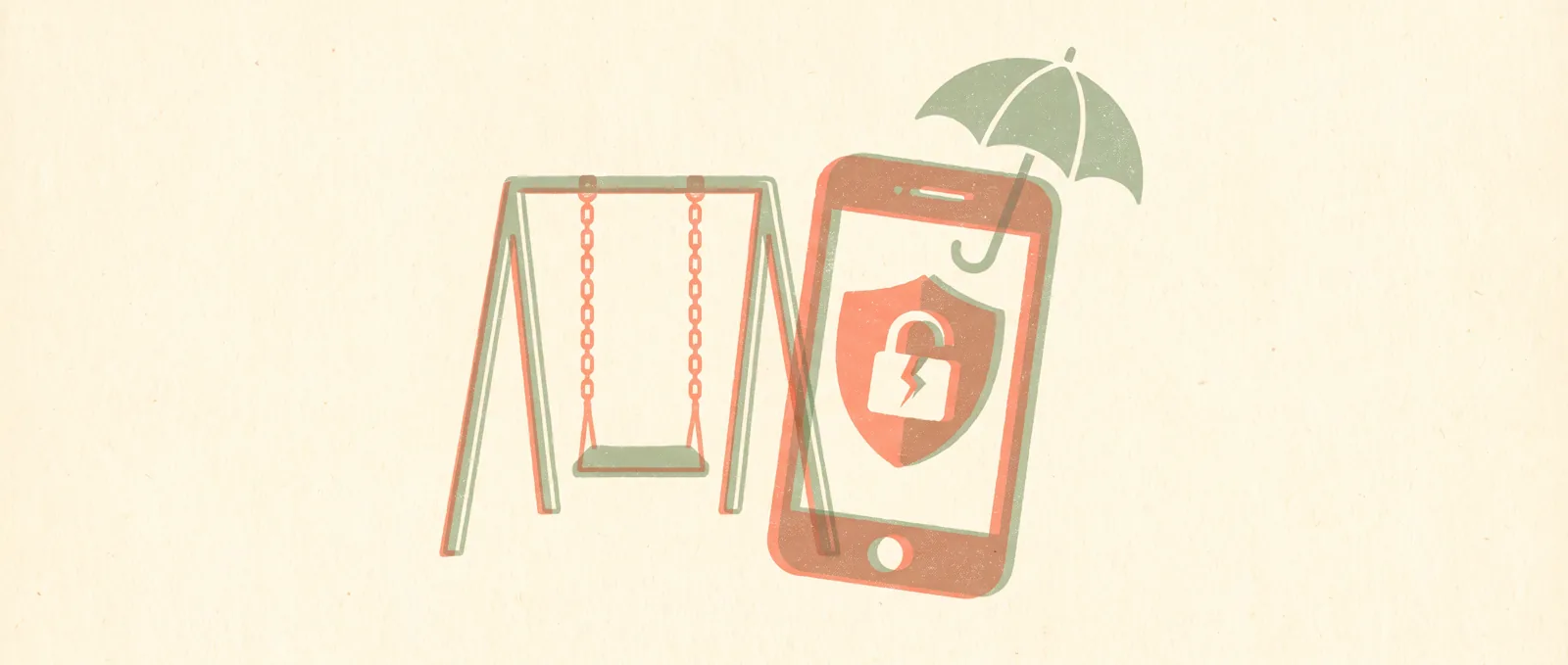
Common Sense Media’s Youth AI Safety Institute has rated ChatGPT for Teens an “Unacceptable Risk” and says OpenAI should restrict ChatGPT to users 18 and older until the gaps are fixed. The report was published on October 7. OpenAI’s response was not included in the group’s release.
What they tested
Testers used accounts registered to 13 to 17 year olds and ran more than 4,000 prompts, before and after OpenAI’s August 18 announcement of its teen protections. Child psychiatrists and a pediatrician reviewed the results. Some safeguards worked, such as refusing sexual roleplay. Others did not.
The most serious finding concerns parent alerts. New accounts linked to a parent received zero alerts during conversations of up to an hour about suicidal thoughts, self-harm or disordered eating. Alerts appeared only on older accounts with weeks of sensitive history. The group also says ChatGPT missed more than one in four warranted crisis referrals. On homework, the “study mode” could be bypassed: a “show me the answer” button completed full assignments, and a parent-set study schedule could be switched off by deleting a prefix. Adult-registered test accounts were never moved to the under-18 experience, even when the tester said they were 13. In the Institute’s words, the product “could give parents false confidence in guardrails and safety alerts that frequently don’t work.”
What is behind this
Teen safety features rely on the system knowing who is a teen and noticing when a conversation turns risky. Both are hard. Age estimation from chat alone is imprecise, and detecting distress in a long, casual conversation is harder than blocking a single bad request. A fair caveat: this is one organisation’s test, and the Institute discloses it is funded partly by philanthropy and industry, including the OpenAI Foundation, while saying it keeps editorial independence. OpenAI may dispute the methods.
What this means for you: If you are a parent, the practical advice from the report is sensible whatever the final verdict: talk with your kids about what the chatbot is (a program, not a friend), do not rely only on built-in alerts, and support homework without the tool so skills do not fade. If you are an adult user, nothing changes for you. If you work on products for young people, this is a clear list of what reviewers will test next: age detection, reliable parent alerts, crisis handling and honest limits on “feelings.” Sensitive topics deserve real people too, so if a young person in your life seems to be struggling, a trusted adult or professional is the right first step.
Sources
Google Gives Gemini a Work Identity and an Email Address
Google launched a universal Gemini agent for enterprise customers in private preview, including a 'coworker agent' with its own email address that can take on tasks across Workspace, Slack and Microsoft 365.