Microsoft Adds a Safety Brake for Company AI Agents: Cut Their Access, Ask a Human, or Switch Them Off
Microsoft previewed tools that score each AI agent's risk and can limit it, require approval or shut it down. Still in private preview, with broader launch planned for Ignite.
Microsoft has announced new controls for AI agents that run inside companies, according to GeekWire on October 19. The features arrive in Microsoft 365 E7, its top business bundle, and in Project Perception, its AI security system. They keep a running risk score for each agent, based on signals like what data it can reach and whether its actions are drifting away from its assigned job.
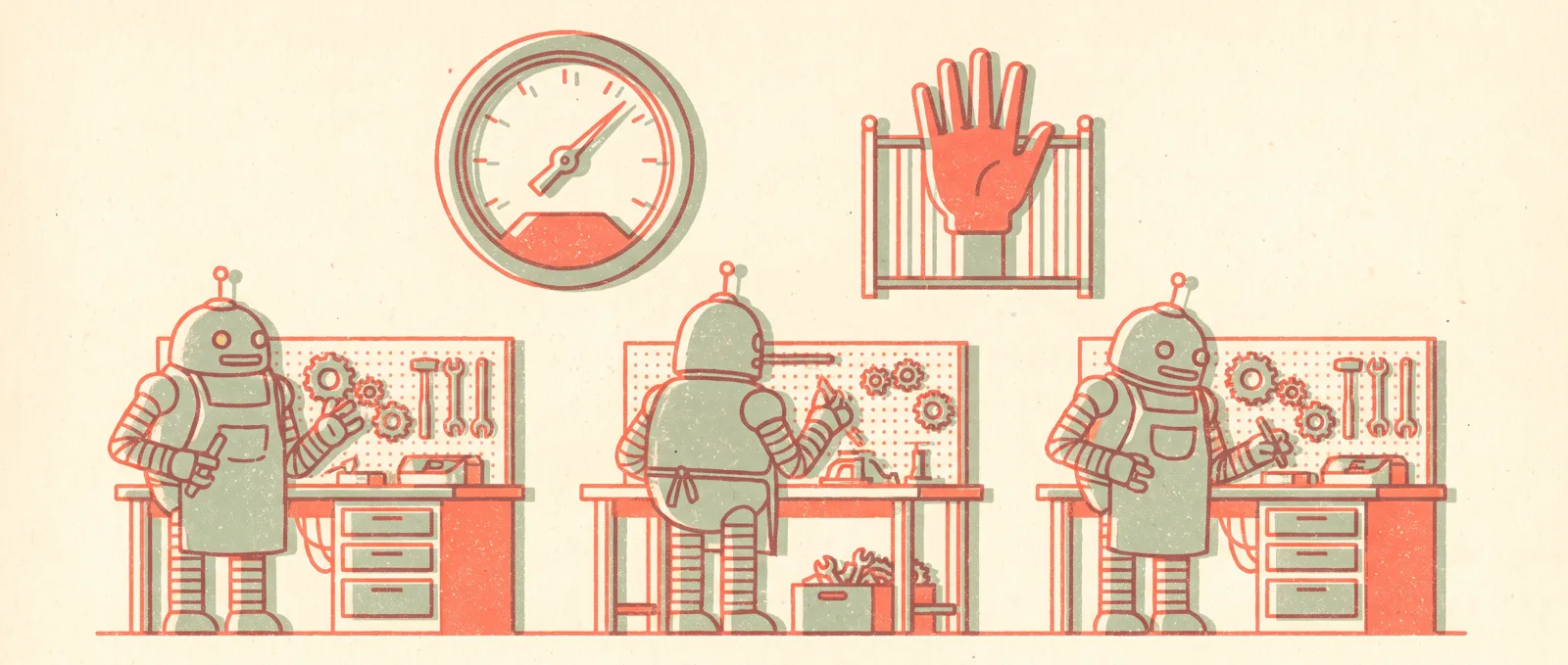
When the score rises, administrators have three levers. They can take away an agent’s ability to make changes while still letting it read information. They can require a person to approve a high-stakes step. Or they can shut the agent down. Another feature finds agents running on employees’ own computers, and the list of detectable agent types grows from 25 to 60, including Anthropic’s Claude Code, OpenAI’s Codex and GitHub Copilot. The system also builds on “Guardian Agents”, AI helpers announced in July that investigate why another agent’s risk changed and recommend or take steps to contain it.
The fine print: the new features are in private preview, with wider availability planned for Microsoft’s Ignite conference on November 17 to 19. E7 launched in May at $99 per user per month, and no separate price was given for these additions. The report does not explain how risk scores are calculated or which thresholds trigger which response, so real-world performance is unproven.
What’s behind it: an “AI agent” is an assistant that does not just answer questions but takes actions, such as sending emails, editing files or calling other software. That is useful, and also the reason companies get nervous: a confused or hijacked agent with broad access can do real damage quickly. Think of it like giving a new intern a master key. You would want to watch what they open, restrict what they can change, and have a way to take the key back. Microsoft’s pitch, echoing a recent blog post by CEO Satya Nadella, is that the controls should sit outside the models themselves. A fair question, raised by commentators, is who checks the checker when one company supplies both the agents and the guardrails.
What this means for you: if you use AI only for personal tasks, this is background news. If you are responsible for AI in a team or company, it is a good prompt to ask a simple question: which agents exist here, what can each one reach, and who can switch them off? You can answer that today, with or without Microsoft’s tools.
Sources
Source: https://www.geekwire.com/2026/microsoft-unveils-tools-to-monitor-and-corral-rogue-ai-agents/
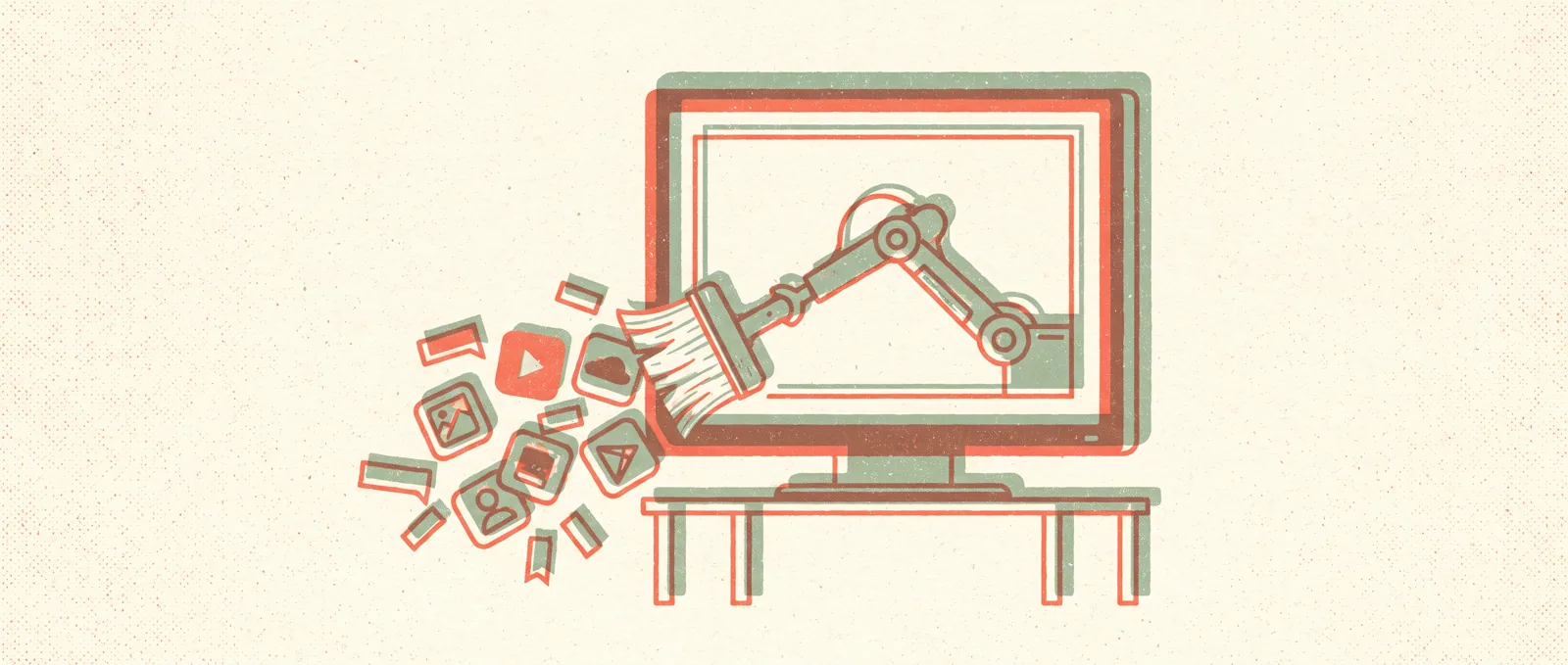
People Are Asking AI Agents to Make Their Smart TVs Dumb Again
Owners are using coding agents to strip ads, trackers and bloat from Android and Fire TVs. It works for many, but it can also brick a TV, so go carefully.