Etsy Bans AI-Generated Patterns and Requires One Real Photo in Every Listing
Etsy's new AI policy bans bot-made listings and AI-generated patterns or recipes, and asks sellers to show an unedited photo of the actual item.
Etsy has tightened its rules on AI, aiming to keep the marketplace trustworthy as AI-made listings pile up. According to coverage of the policy published October 22, three things are now banned: AI-generated patterns, recipes and other functional instructions; listings produced by bots with no human involved; and passing off AI work as handmade.
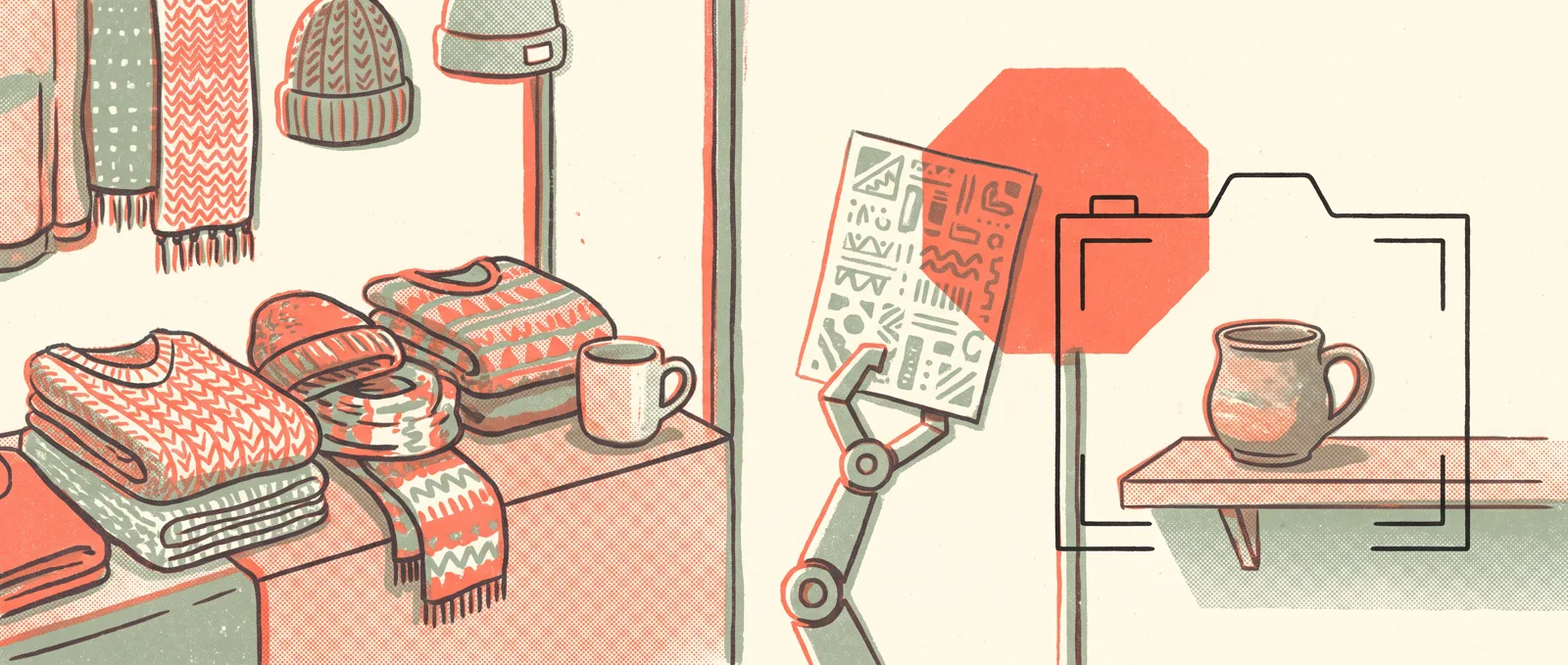
There are also new requirements. Every listing needs at least one unedited photo of the real item against a real background. Patterns, recipes and instructions must show an actual finished product made from the seller’s own instructions, not an AI picture of what it might look like. Extra photos may use AI editing for light, colour, cropping or backgrounds, as long as they honestly show what the buyer receives. Sellers must say when something was created with AI.
Etsy is not banning AI art outright. If a seller plays a clear creative role, such as directing a fantasy illustration with their own prompt, that stays allowed. The point is to separate human directed work from automated listing floods.
Enforcement is the soft spot. Etsy will warn sellers when its tools detect AI images during listing creation, and detection will reach existing listings “over time”. Removed listings can be appealed in Shop Manager. Shoppers get a new button to flag suspected AI listings, but at launch those reports only help Etsy understand buyer perception and will not trigger action. Removals are expected to grow in the coming months. The coverage does not say how accurate detection is or what penalties exist beyond removal, and it gives no separate effective date.
What’s behind it: A marketplace sells trust. If buyers cannot tell a hand knitted pattern from a machine generated one that does not actually work, they stop buying. A knitting pattern or a recipe is also “functional”: it has to produce a real result, which is where AI errors hurt most. Requiring a photo of a real finished item is a clever, low tech test, because it forces someone to actually make the thing. Rules like this also tend to be copied by other platforms.
What this means for you: If you shop on Etsy, look for the real photo and the AI disclosure before buying patterns or printable guides, and use the report button, even if it does not act yet. If you sell there, plan to photograph real products and label AI use honestly; AI for lighting or backgrounds is still fine. If you simply use AI for your own hobby projects, nothing changes. This is about selling, not making.
Sources
Source: https://www.digitalcommerce360.com/2026/10/26/etsy-ai-policy/amp/
Researchers Show an Open Model Can Turn Public Firefox Fixes Into Working Attacks
Epoch AI let the open-weight GLM 5.3 model work alone on Firefox's patch gap and it built file-stealing exploits for six releases at roughly $1,000 each.