OpenAI Made a $230 Keypad Just for Bossing Around AI Coding Agents
OpenAI and keyboard maker Work Louder released the Codex Micro, a small desk controller with a joystick, dial, and light-up keys for managing AI coding agents. It's niche, but it hints at where AI work is heading: its own dedicated hardware.
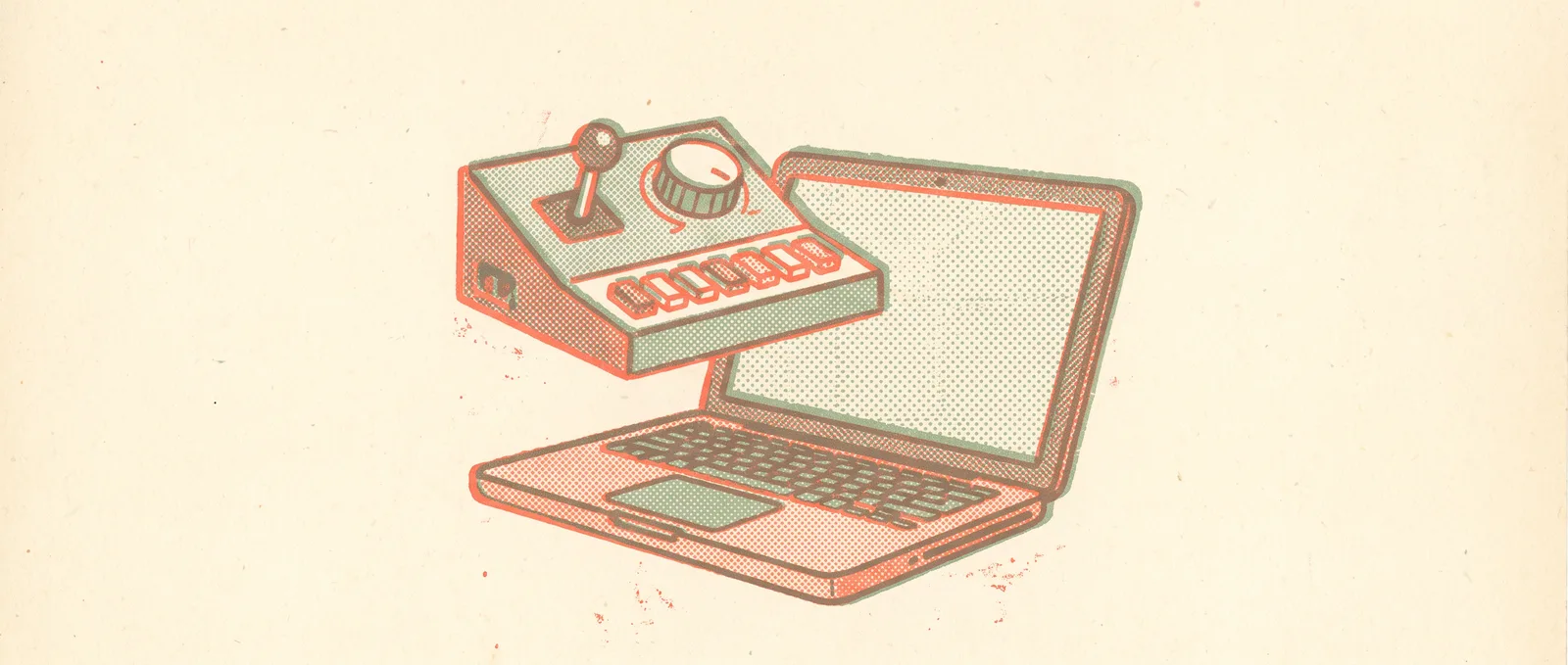
OpenAI has released its first real desktop accessory, and it’s an oddly specific one: a small keypad built for controlling AI coding agents. Made with keyboard company Work Louder, the Codex Micro costs $230 and looks like a mini control deck, complete with a joystick, a rotary dial, and a row of light-up keys.
Here’s the idea behind it. When you work with an AI coding agent (a tool that can read your code, make changes, and run commands on its own), you normally type instructions into a chat window and wait. The Codex Micro turns that into physical buttons. The top six keys glow in different colors to show each agent’s status at a glance: thinking, working, waiting for you, or done. The joystick fires off common jobs like a code review or a debugging pass. The dial sets the “reasoning level,” which is how much effort and compute the model should spend on a task, more for hard problems, less for quick ones. It plugs into OpenAI’s Codex app, connects over Bluetooth or USB-C, and works on Mac and Windows. There are 32 swappable keycaps so you can match the buttons to your setup. It’s already sold out, and OpenAI says quantities are limited.
The reason a small gadget is worth a mention is what it signals. A dedicated control surface is the kind of thing that appears once an activity becomes serious and repetitive, think of the boards video editors and music producers use. By building one for AI coding, OpenAI is saying that “working with agents” is turning into its own daily workflow, distinct enough to deserve its own hardware. It also fits the company’s broader push into physical products, from hiring famous hardware designers to the devices at the center of its legal fights with Apple.
What this means for you: For almost everyone, this is a skip, it’s a niche tool for people who already spend all day steering AI coding agents. The interesting part isn’t the keypad, it’s the trend it reveals. AI is quietly moving from “a website you chat with” toward “a thing you operate,” with buttons, dials, and status lights. Codex Micro won’t matter much on its own, but it’s an early hint that AI tools are starting to grow physical controls, the way computers eventually grew mice.
Sources
Mira Murati's New Lab Ships Its First Model, and It's Built to Be Customized
Thinking Machines Lab, founded by former OpenAI CTO Mira Murati, released Inkling, a 975-billion-parameter open model. It leads US open models on one benchmark but hallucinates a lot, and it's pitched as a starting point, not a finished product.