A Judge Just Approved Anthropic's $1.5 Billion Payout to Authors, the Biggest Copyright Deal Yet
A US judge signed off on a $1.5 billion settlement over pirated books used to train Claude. Here is what it means for AI, authors, and everyone who uses these tools.
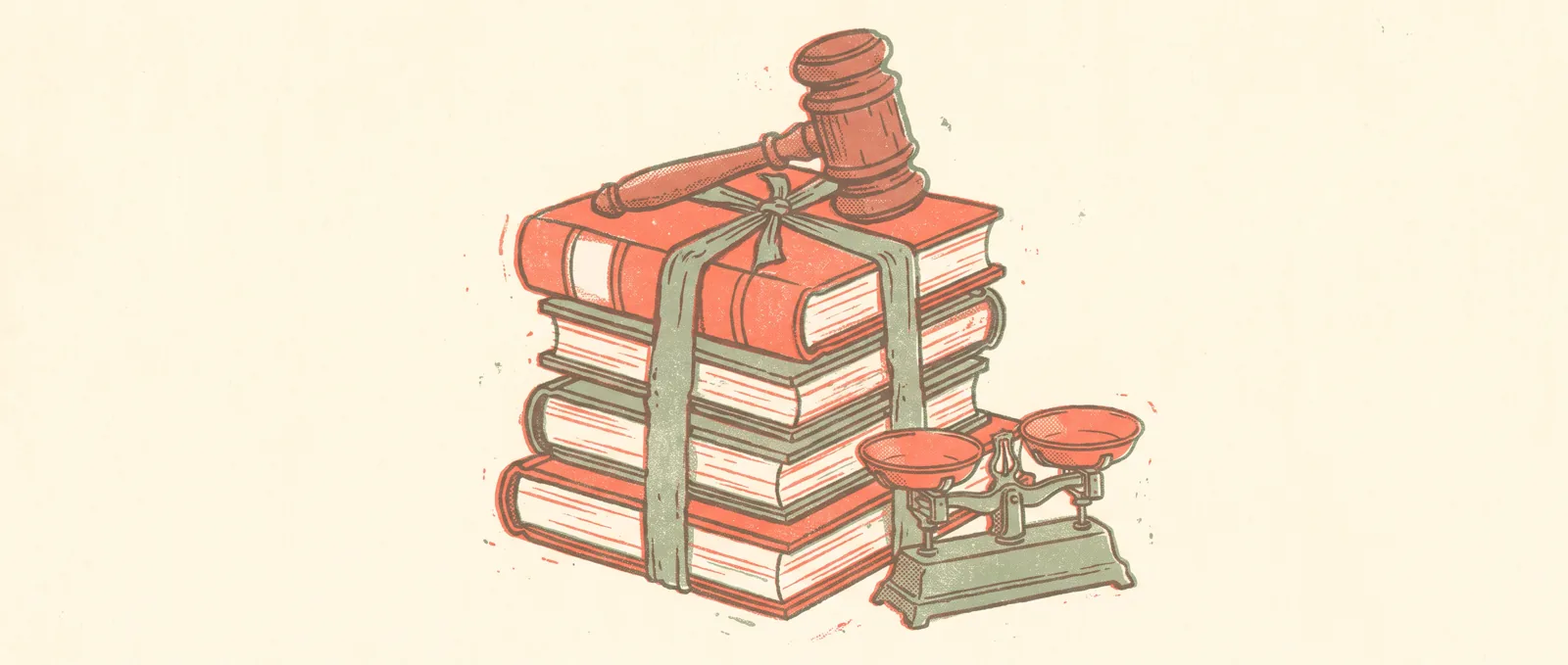
A US federal judge has approved a $1.5 billion settlement that AI company Anthropic will pay to authors whose books were used, without permission, to train its Claude chatbot. It is being called the largest known copyright recovery in history, and it is the first big payout in a wave of lawsuits over how AI models get their training material.
Here are the numbers. District Judge Araceli Martínez-Olguín signed off on the class-action deal, which covers roughly 482,000 books. About 91 percent of them have already been claimed by authors or publishers, who are now due around $3,000 per title. The case, Bartz v. Anthropic, was first brought in 2024 by thriller novelist Andrea Bartz and two other authors. They said Anthropic had downloaded millions of copyrighted books from “shadow libraries” (pirate sites such as LibGen and PiLiMi) to feed its systems. Anthropic reportedly pulled down more than 7 million books this way; about 500,000 of them fit the settlement’s definition. The money arrives in stages: $300 million shortly after final approval, then two further $450 million payments through 2027. Actual checks to authors will likely come later, once any appeals are done.
So what is really going on here? Training a large AI model means showing it enormous amounts of text so it learns patterns of language. The legal fight is not about whether AI can read books; it is about whether a company can use pirated copies to do it. Anthropic settled rather than risk a trial, but the agreement sets no binding precedent, which is the legal way of saying it does not automatically decide the dozens of similar cases still working through the courts against other AI companies. Both sides got something: authors got a record payout, and the industry avoided a courtroom ruling that could have gone much further.
What this means for you: If you write or publish, this is the clearest sign yet that your work has real value to AI companies, and that “we just found it online” is not a free pass. If you simply use AI tools, nothing changes about how Claude or its rivals work today, but the case hints at where things are heading: expect more licensing deals, and AI models trained on properly paid-for material rather than scraped-from-anywhere data. That could make future tools slower to build and a bit more expensive, and, arguably, a bit fairer to the people whose work made them possible.
Sources
Jack Dorsey's New App Buzz Puts People and AI Agents in the Same Team Chat
Block launched Buzz, a free open-source workspace that blends Slack-style chat with code hosting and gives AI agents their own identities. Here is what that actually means.