OpenAI is now watermarking AI voices, and you can check a file yourself
Audio generated with GPT-Live through ChatGPT Voice and the API now carries an invisible SynthID watermark, and OpenAI's public verification tool can read it.
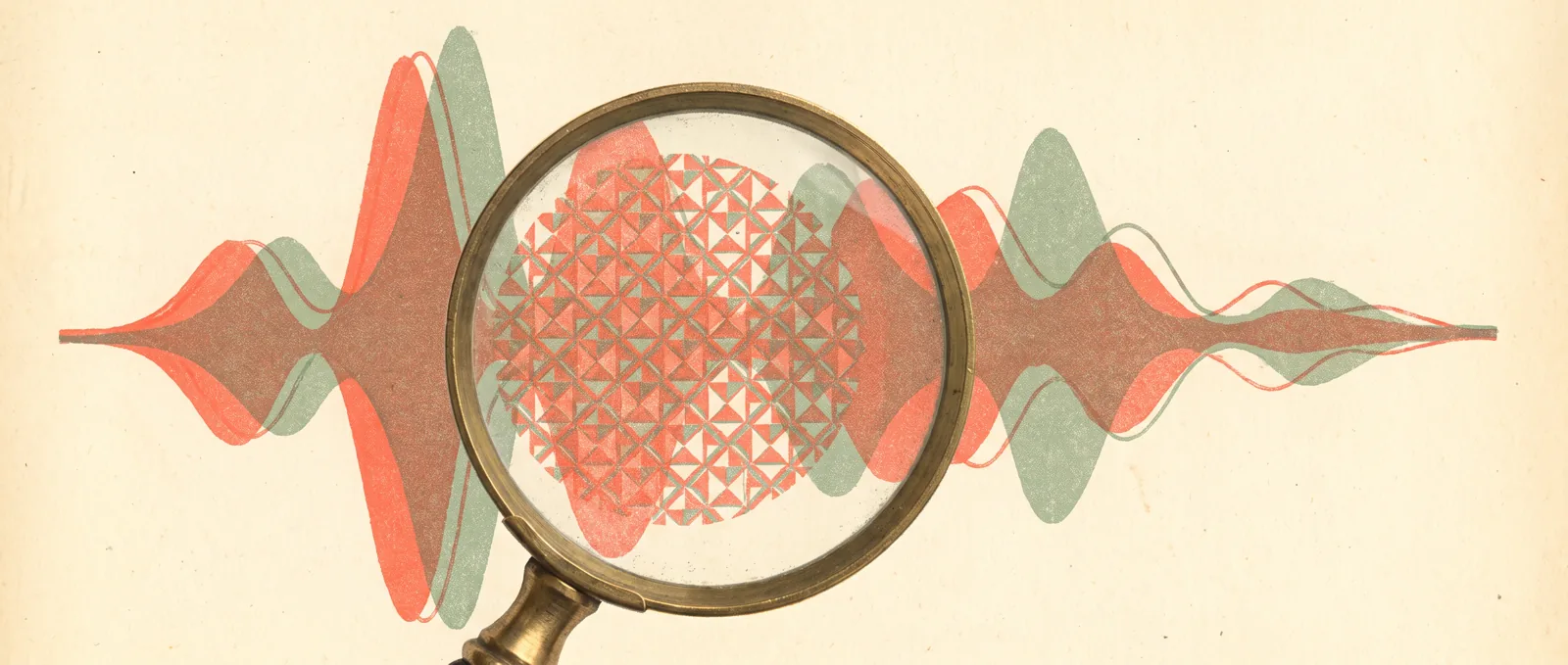
Audio produced by OpenAI’s GPT-Live voice model, whether through ChatGPT Voice or the API, now carries a SynthID watermark. OpenAI’s public verification tool has been extended to read those signals in audio files, and there is now API access for verification too, so companies can build the check into their own systems instead of uploading files by hand.
Two different things are being embedded, and the difference matters. C2PA content credentials are metadata, a signed label attached alongside the file saying where it came from. Metadata is easy to read and easy to strip, deliberately or by accident: re-encode a file, screenshot it, pass it through a messaging app, and the label is often gone. SynthID, developed by Google DeepMind, works differently. It alters the content itself in ways a person cannot perceive, so the signal survives cropping, filters and lossy compression. OpenAI is using both, and the verification tool reports which signals it finds.
The tool has a specific and limited meaning, and it is worth being precise about it. A positive result tells you the file carries OpenAI provenance signals. A negative result tells you almost nothing. It does not mean the audio is real. It could be AI-generated by any of the dozens of other tools that do not watermark, or it could be OpenAI audio that has been processed hard enough to destroy the mark. Watermarking is a way to confirm origin, not a lie detector.
What is behind this. Voice cloning is where synthetic media has caused the most concrete harm so far, mostly through phone scams that imitate a family member or a chief executive. Text detection has quietly failed as a project, and image detection is unreliable enough that it regularly produces false accusations. Audio is a better candidate for watermarking, because there is more signal to hide in than in a short piece of text. The wider bet is that if enough of the major generators watermark, the absence of a mark on a suspicious file becomes weak evidence in itself. That bet only pays off with broad adoption, and it collapses the moment a capable open model without watermarking is widely used. Which, of course, already exists.
What this means for you: the practical value is modest but real. If you receive an audio message that sounds off, you now have somewhere to check, and a confirmed OpenAI watermark is a solid answer. Treat a clean result as no information at all. For the scam case specifically, the old advice still beats any technical tool: if a voice you know asks for money or credentials urgently, hang up and call back on a number you already have. If you work in journalism, HR, or anywhere audio is used as evidence, the verification API is worth wiring into your intake process, as one signal among several rather than the deciding one.
Sources
Source: https://openai.com/index/advancing-content-provenance/
An AI hedge fund reported a 439 percent return, then sold nearly everything days later
Leopold Aschenbrenner's Situational Awareness had to hand its listed portfolio to Citadel after margin calls. His thesis about the AI buildout was not obviously wrong. The borrowed money was.