An AI hedge fund reported a 439 percent return, then sold nearly everything days later
Leopold Aschenbrenner's Situational Awareness had to hand its listed portfolio to Citadel after margin calls. His thesis about the AI buildout was not obviously wrong. The borrowed money was.
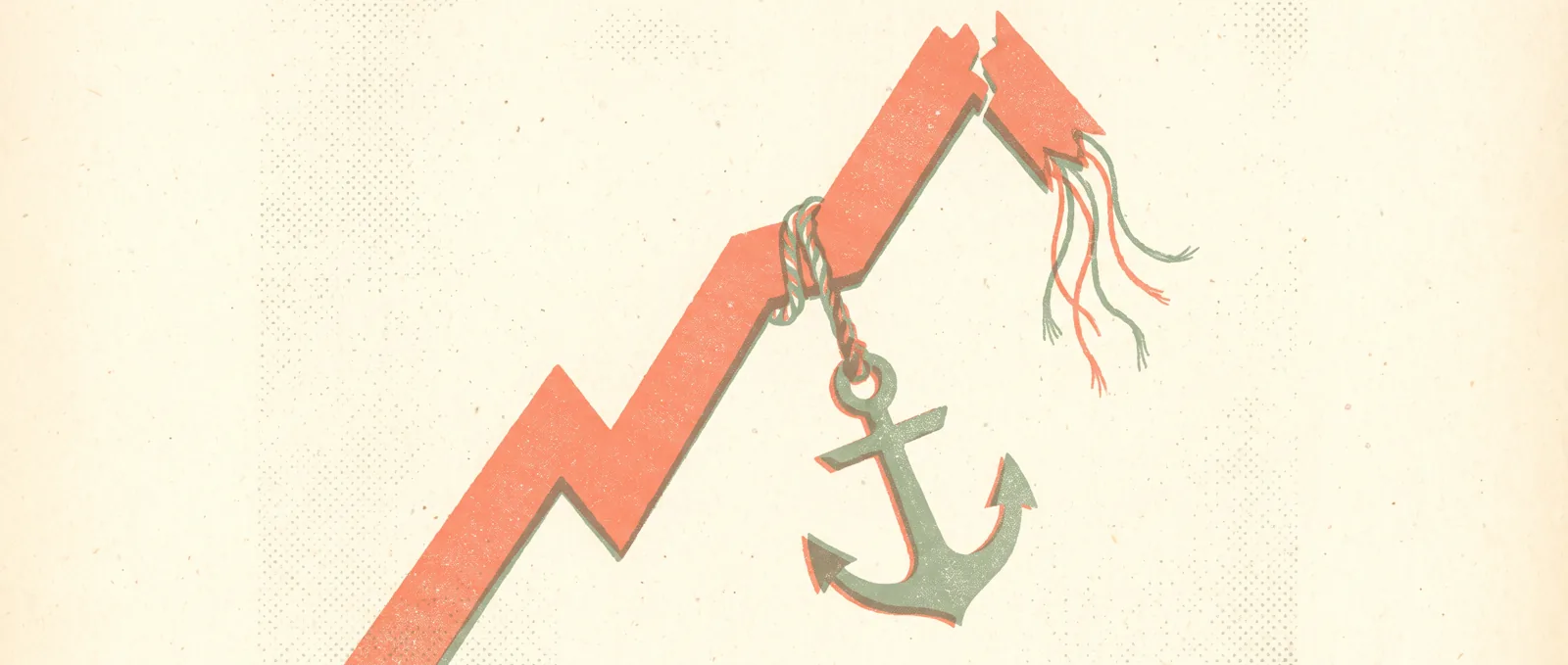
Leopold Aschenbrenner’s hedge fund Situational Awareness has sold almost its entire publicly traded stock portfolio to Ken Griffin’s Citadel after heavy losses. As recently as last Friday, according to the Financial Times, Aschenbrenner had reported a 439 percent return for the first half of the year and was asking investors for fresh capital by 1 August. Days later, falling AI-related stocks and margin calls from his banks forced an emergency sale.
The fund had peaked at 45 billion dollars in assets with eight employees, four of them on the investment side. Aschenbrenner is in his mid-twenties. He worked at the FTX Future Fund from early 2022, left before that collapse, joined OpenAI’s Superalignment team in 2023, and was dismissed in April 2024 over an alleged leak, which he disputed. His 2024 essay “Situational Awareness”, which argued that AI capability would scale extremely fast, gave the fund its name and its thesis. He is keeping his private holdings, including a stake in Anthropic.
The thesis was that rapidly improving AI would force an enormous buildout of chips, memory, data centres and power. That buildout is in fact happening. What broke was not the argument but the financing. The fund used borrowed money to amplify its bets, so when AI-linked stocks such as SK Hynix fell and lenders demanded more collateral, positions had to be sold immediately rather than held. A bet against software stocks including Adobe also went the wrong way. Some of the shares he was forced to sell then recovered.
What is behind this. Leverage is what turns being early into being wrong. If you buy with your own money and the price drops, you wait. If you buy with borrowed money, the lender decides how long you can wait, and the answer is usually “not long enough”. That is a very old lesson wearing a new outfit. The wider point is that “AI is transformative” and “AI stocks will go up this quarter” are separate claims, and confusing them is expensive. Investors have been asking harder questions all month about when the hundreds of billions being spent on infrastructure will actually earn a return, and that scepticism, not any change in the technology, is what moved the prices here.
What this means for you: directly, nothing, unless you happen to be an investor in this fund. This is not a story about AI getting worse or better. It is worth reading for one reason: the AI economy has entered a phase where confident predictions and market outcomes come apart, and you will see more of this. When you next read a story about AI stock swings, the question worth asking is whether it is telling you something about the technology or something about the financing. Usually it is the financing. To state the obvious: this is reporting, not investment advice.
Sources
Source: https://www.cnbc.com/2026/07/30/leopold-aschenbrenners-hedge-fund-is-facing-steep-ai-losses.html
OpenAI and Anthropic are arguing about a benchmark, and the argument is more useful than the scores
GPT-5.6 Sol scored 7.8 percent on ARC-AGI-3 in the official setup and 38.3 percent in OpenAI's own. The gap explains why benchmark numbers are so hard to compare.