Alibaba's new Qwen ad says AI will take your job, and makes it sound like a holiday
A marketing video for Qwen 3.8 sells handing your work to an AI as freedom rather than threat. It is a deliberate break from the messaging Western labs used, and both versions oversimplify the same thing.
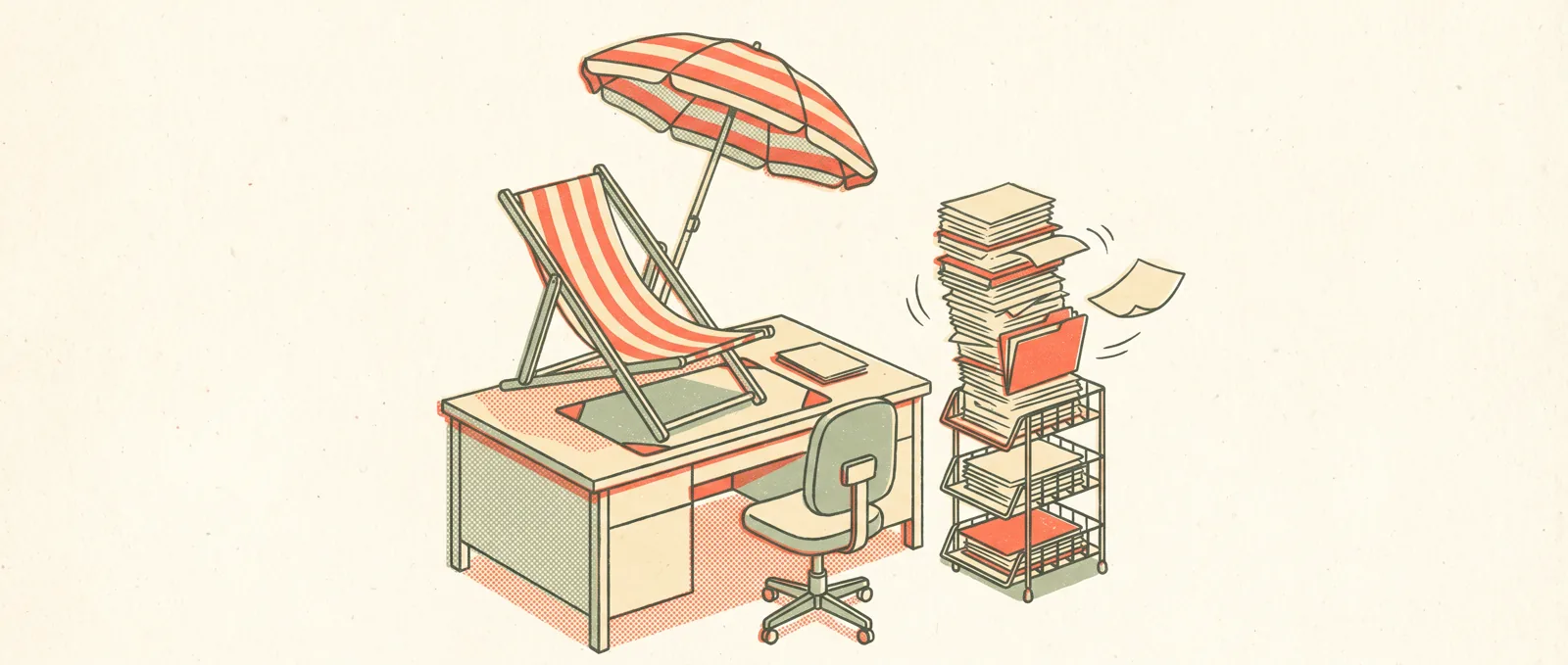
Alibaba’s marketing video for its new Qwen 3.8 model makes the same claim its Western competitors have been making for two years, that the model can do your job, and frames it as something to look forward to. The AI works, the human goes off to pursue hobbies. No warning, no urgency, no chart of disappearing roles.
That is a pointed contrast. For much of 2025 and early 2026, the loudest messaging from American labs ran the other way, with executives at DeepMind and Anthropic publicly expecting AI to hit entry level jobs and internships in 2026. Since then both Sam Altman and Dario Amodei have walked those predictions back noticeably, and Altman now says he is fairly confident AI is net job creating, which is quite a pivot from earlier warnings about mass layoffs.
Worth saying plainly: the cheerful version is no more accurate than the frightening one. A marketing video that shows work vanishing into a model and leaving free time behind is skipping every part that is actually hard, which is who owns the output, who checks it, who gets paid and who does not.
What is behind this. There is a reason labs talk about jobs at all, and it is not primarily public education. Saying a model can replace expensive human work is a way of pricing it, because a tool that saves a salary can be sold for a fraction of a salary. Fear and optimism are both arguments for the same purchase order. What moved is the audience. Alibaba is a publicly traded company selling into a market where being blamed for unemployment is a real risk, so a positive frame is simply safer. The evidence underneath is thinner than either message suggests. Anthropic’s own research found AI is nowhere near its theoretical potential to disrupt jobs, and the broader productivity numbers keep getting lost somewhere between benchmark scores and company accounts. Financial markets are telling a livelier story than the labour market is.
What this means for you: be suspicious of any claim about AI and employment that comes from a company selling AI, in either direction. Both the doom framing and the hobby framing are advertisements. The useful question is narrower and answerable: which specific parts of your work are repeatable, checkable and text or code shaped? Those are the parts current models genuinely handle. The parts that involve deciding what should be done, carrying responsibility for it, or reading a room, are not close. If you want a grounded read on your own situation, spend an hour listing the tasks in a normal week and marking which ones you could describe completely in writing to a stranger. That list is a better forecast than any advert, in Chinese or English.
Sources
Source: https://x.com/Alibaba_Qwen/status/2084093402967396594
Alibaba's Qwen3.8-Max spent 16 days writing a tool by itself, and the weights go public next week
Alibaba published full details and benchmarks for Qwen3.8-Max, a 2.4 trillion parameter model built for tasks that run for days. Five case studies cover autonomous coding, paper reproduction, chip design and a simulated year of online retail.