Suno Tightens Download Limits After a German Court Ruled Against It
The AI music generator is limiting bulk downloads and adding AI labelling, after a Munich court found it trained on copyrighted songs and an investor conceded it competes with human artists.
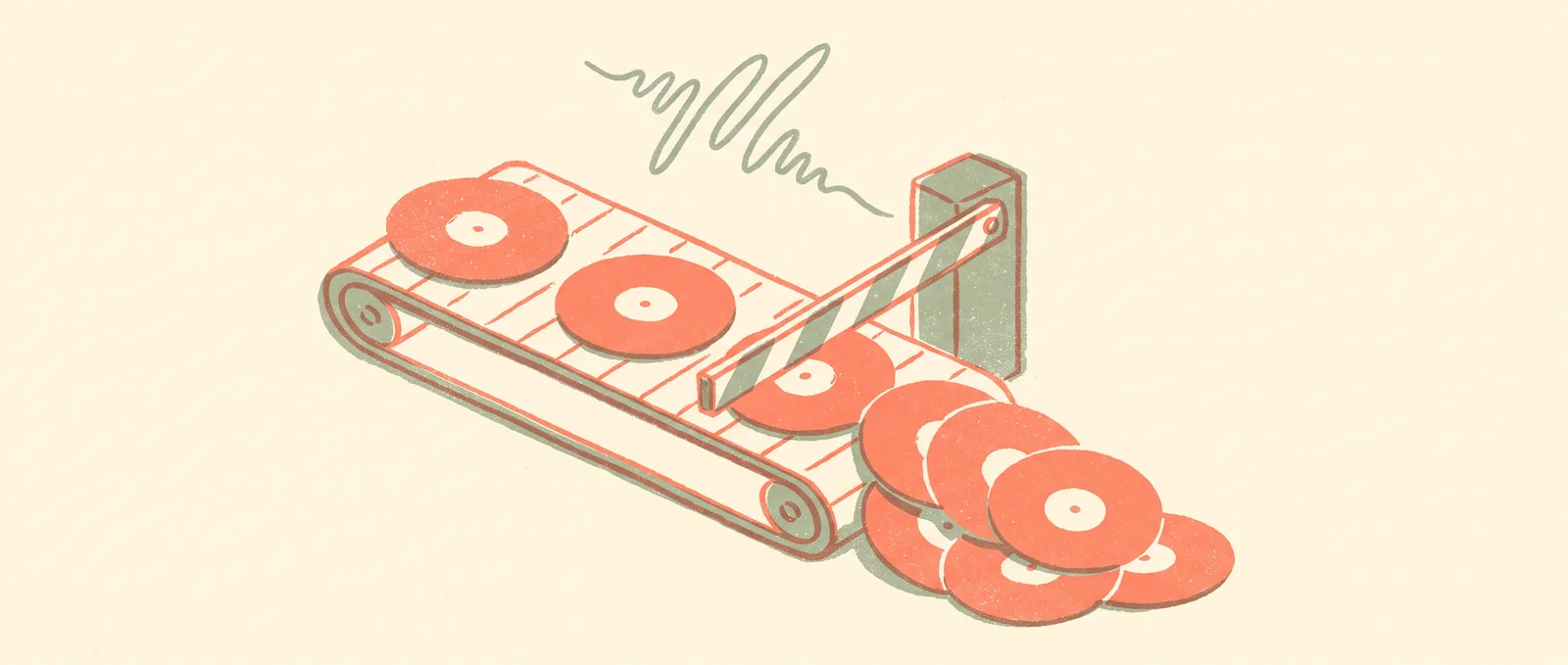
Suno, the best-known AI music generator, is changing its rules. In a blog post, co-founder and CEO Mikey Shulman set out four guiding principles and a set of concrete measures, the most tangible being a new download policy designed to stop people exporting AI songs in bulk and flooding streaming services with them. Most users will not notice, the company says. Doing it at scale is meant to become much harder.
The pressure behind the change is easy to trace. A regional court in Munich recently ruled that Suno used copyrighted songs in training and can reproduce them when prompted the right way, and found that the US fair use doctrine does not shield the company in Germany. Shortly before that, one of Suno’s own investors publicly conceded that songs made with Suno compete directly with music from human artists. That admission is more damaging than it looks: fair use arguments lean heavily on whether a use is new and transformative rather than a substitute for the original, so an investor saying “it competes” is close to conceding the point.
Suno’s answer is that its training was designed to avoid copies in the first place. The company describes an approach it calls “Original Creation, By Design” and says it deliberately left artist names out of its training metadata, so the model has no handle to imitate a named musician. It says it has never allowed prompts targeting a specific artist or song, and that it works with Audible Magic, Musixmatch and other services to screen uploaded audio and lyrics. It also plans transparency tools built on emerging industry standards, so other platforms can identify a track as Suno-made.
The spam problem is not hypothetical. In March a man was convicted after uploading hundreds of thousands of AI-generated songs and collecting eight million dollars in royalties through fake accounts and automated streams. Streaming platforms have been changing how they handle new uploads partly because of that flood. Suno tightening the tap is, in part, a response to an economic attack on the same platforms its users publish to.
What this means for you: if you make music with Suno for fun, for a video, or for a small project, the new limits are unlikely to bite. If your plan involved uploading a large catalogue to streaming services, that plan is now considerably harder, and the German ruling makes commercial use of AI music in Europe legally murkier than it was a month ago. For everyone else, this is the clearest sign yet of where the AI and copyright fight is heading: not a single dramatic verdict, but a slow tightening in which the generators themselves start adding labels, limits and screening because the alternative is losing in court.
Sources
Source: https://suno.com/blog/building-the-future-of-music-responsibly
Same model, four different tools, three times the price: a test of what the wrapper costs you
Composio ran DeepSeek V4 Flash through Claude Code, Codex, OpenCode and Oh My Pi on 30 real tasks. Success rates were similar. Cost varied by nearly 3x and speed by 2.2x, depending only on which tool ran the model.