ChatGPT Now Answers With Buttons, Charts and Mini Apps
OpenAI is rolling GPT-6 with Intelligent UI out to everyone, including free users. Instead of only text, ChatGPT can now build tappable tools, charts and forms inside the conversation.
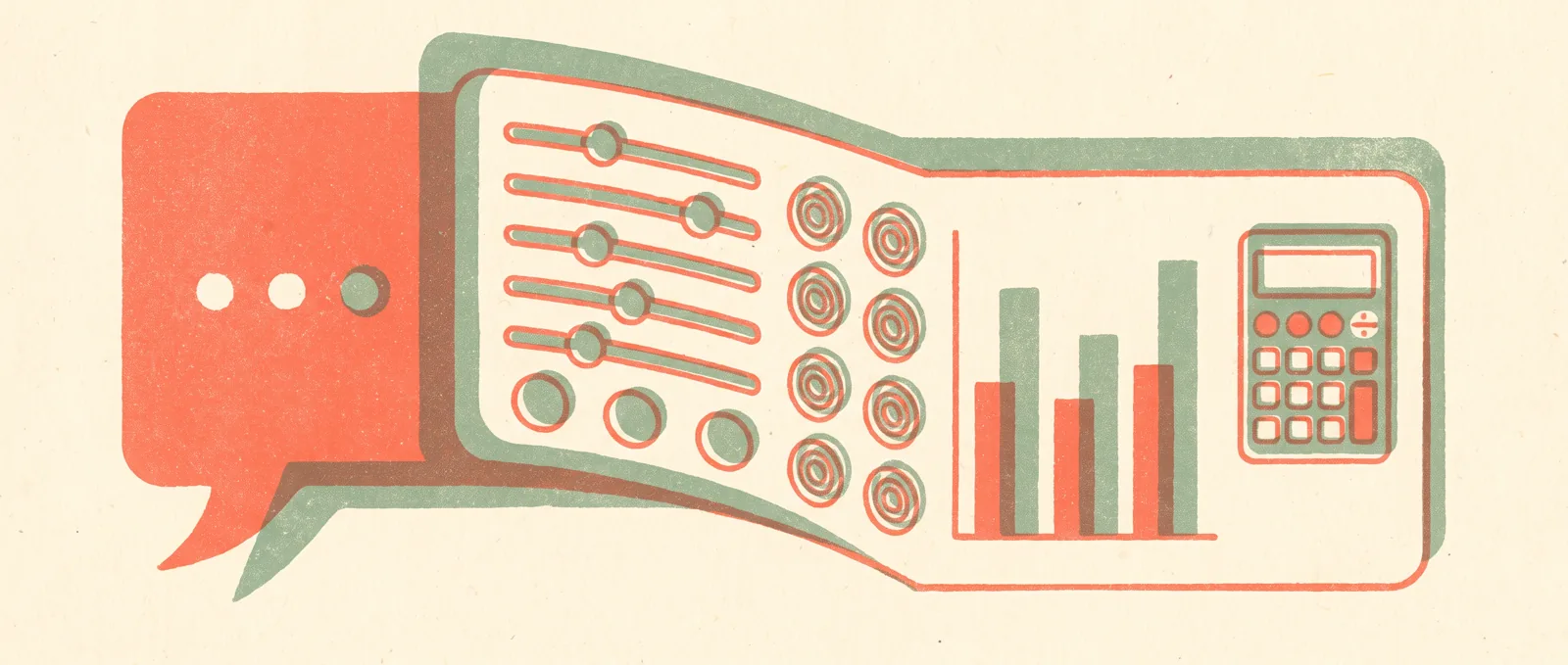
OpenAI is rolling out GPT-6 with a feature it calls Intelligent UI to ChatGPT users worldwide. Paid plans (Plus, Pro, Business, Enterprise) get it first, and Free and Go users follow a day later. The headline change is that answers no longer have to be walls of text. ChatGPT can now respond with tappable buttons, forms, charts and small interactive tools, right inside the chat.
What it looks like
OpenAI’s own examples are refreshingly ordinary: a Sunday roast schedule, a wardrobe plan, a road trip with map stops, or two options compared side by side. For learning, you can drag a slider and watch an idea such as the Monty Hall problem or the central limit theorem change in front of you. You can also ask for a custom tool, say a savings calculator or a bill splitter, and get a working one on the spot. It runs on web and mobile.
Paid plans use GPT-6 Sol, while Free and Go use GPT-6 Luna. Both are tuned for everyday conversation. The models behind ChatGPT’s Work and Codex features are unchanged. OpenAI also says that for questions needing web search, GPT-6 Instant starts answering 44 percent sooner than GPT-5.6 Instant on average. That figure comes from OpenAI’s internal tests, so treat it as a claim rather than a measurement anyone else has repeated.
What is behind this
The interesting part is not the new model but the new habit. Until now, chatbots have mostly answered in paragraphs, and you did the rest yourself: copy the numbers into a spreadsheet, build the calculator, make the table. Intelligent UI lets the model build that small piece of software for you, on demand. OpenAI describes the idea as “instead of people adapting to software, software will adapt to people.” Under the hood it uses a library of ready-made interface pieces that stream in as the answer is written, so the screen builds up while the model thinks.
It is also a strategic move. ChatGPT reportedly has more than 1.2 billion weekly users, and an interface that creates its own tools makes it harder to leave for a plain text chatbot.
What this means for you: If you are new to AI, this is a gentle upgrade: you can ask for a “simple budget planner” or “a comparison of these two phones” and get something you can poke at instead of reading. If you are more advanced, try asking for a small calculator or checklist inside a conversation, and check the numbers it uses. A generated tool is still generated: it can contain mistakes, and OpenAI did not publish pricing or usage limits for the feature. Worth testing on low-stakes tasks first.
Sources
Catch-Up: Five AI Stories You May Have Missed Since Late September
Our daily edition paused for a stretch, so here is a short round-up of the five stories from the past week and a half that are still worth knowing: Mistral Large 4, OpenAI's math papers, ChatGPT's new ad format, Wikimedia's complaint about OpenAI agents, and Anthropic's engineer academy.