News Corp Countersues Brave, and the Fight Is Really About Who Pays for AI's Reading Material
Rupert Murdoch's News Corp is countersuing the Brave browser, accusing it of scraping Wall Street Journal and New York Post articles and reselling summaries to AI firms. A messy case that gets at a question every AI user has a stake in.
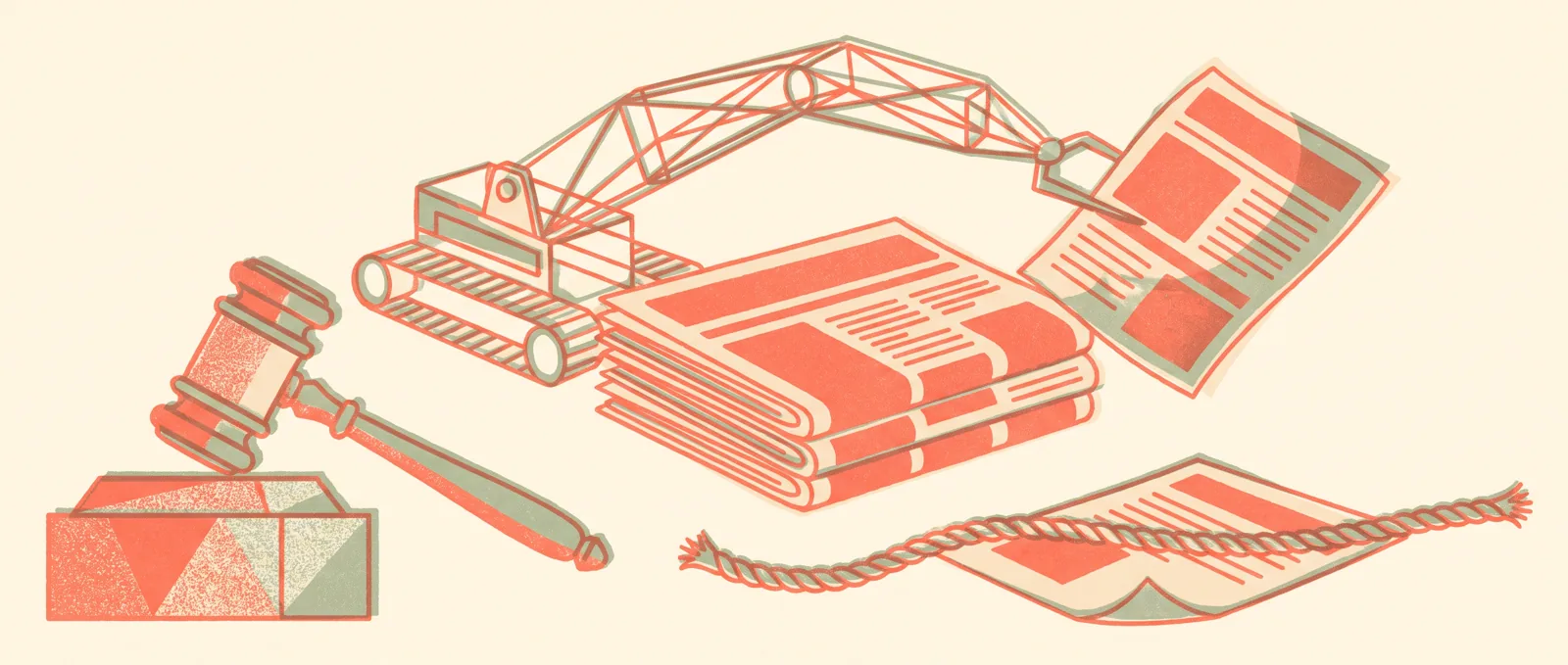
News Corp, the media group behind the Wall Street Journal and the New York Post, has filed a countersuit against Brave, the privacy-focused web browser and search engine. In a filing in a California federal court, News Corp accuses Brave of “covert scraping,” quietly copying its articles at scale, and then reselling summaries that closely mirror the originals to other companies, many of them AI firms. News Corp is seeking an injunction and damages of up to $150,000 per infringement.
To make sense of this, two terms help. “Scraping” means automatically downloading content from websites using software crawlers rather than a person clicking around. Brave allegedly hid its crawlers so publishers could not detect or block them. “Fair use” is the US legal doctrine that lets you reuse copyrighted material in limited ways without permission, for things like quotation, commentary or research. Brave’s whole argument is that what it does counts as fair use. News Corp says it falls “nowhere near” that line. Worth noting: this is a counter-suit. Brave actually sued first, last year, asking a court to declare its practices legal after News Corp sent it a cease-and-desist letter.
Strip away the legal language and you find the defining fight of this AI era. Modern AI systems are hungry for text, and that text was written by someone, journalists, authors, forum posters. The question courts are now being asked, over and over, is simple to state and hard to answer: when a company copies published work to feed AI products, is that lawful reuse or theft? News Corp put the stakes plainly, arguing that the more content Brave copies and sells, the less reason AI companies have to pay publishers directly for licences. In other words, it is a battle over whether the people who create the source material get paid.
What this means for you: No button on your screen changes because of this lawsuit, but the outcome of cases like it will quietly shape the AI tools you use. If courts and licences push toward “AI companies must pay for the content they train on,” expect more paywalls, more official data deals, and possibly higher costs passed along to users, but also a healthier deal for the writers whose work makes these tools useful. If scraping is broadly blessed as fair use, AI stays cheaper to build but journalism loses a revenue lifeline. For most of us the honest takeaway is this: the free-feeling AI answers you get are downstream of an unresolved and expensive fight about who owns the words. This is one lawsuit among many, and nothing is settled yet.
Sources
Nvidia Built a Tool That Tries to Spot AI-Generated Video in Milliseconds
Nvidia's new Synthetic Video Detector claims up to 92% accuracy at flagging AI-made video, fast enough for live broadcasts. A genuinely useful idea, with limits worth understanding before you rely on it.