Nvidia may guarantee $250 billion so OpenAI can rent a data center
The Wall Street Journal reports Nvidia is in talks to backstop about $250 billion of financing for a 10-gigawatt campus in Ohio that OpenAI would lease. A chip vendor underwriting its customer's rent is unusual, and it says something about who carries the risk in this boom.
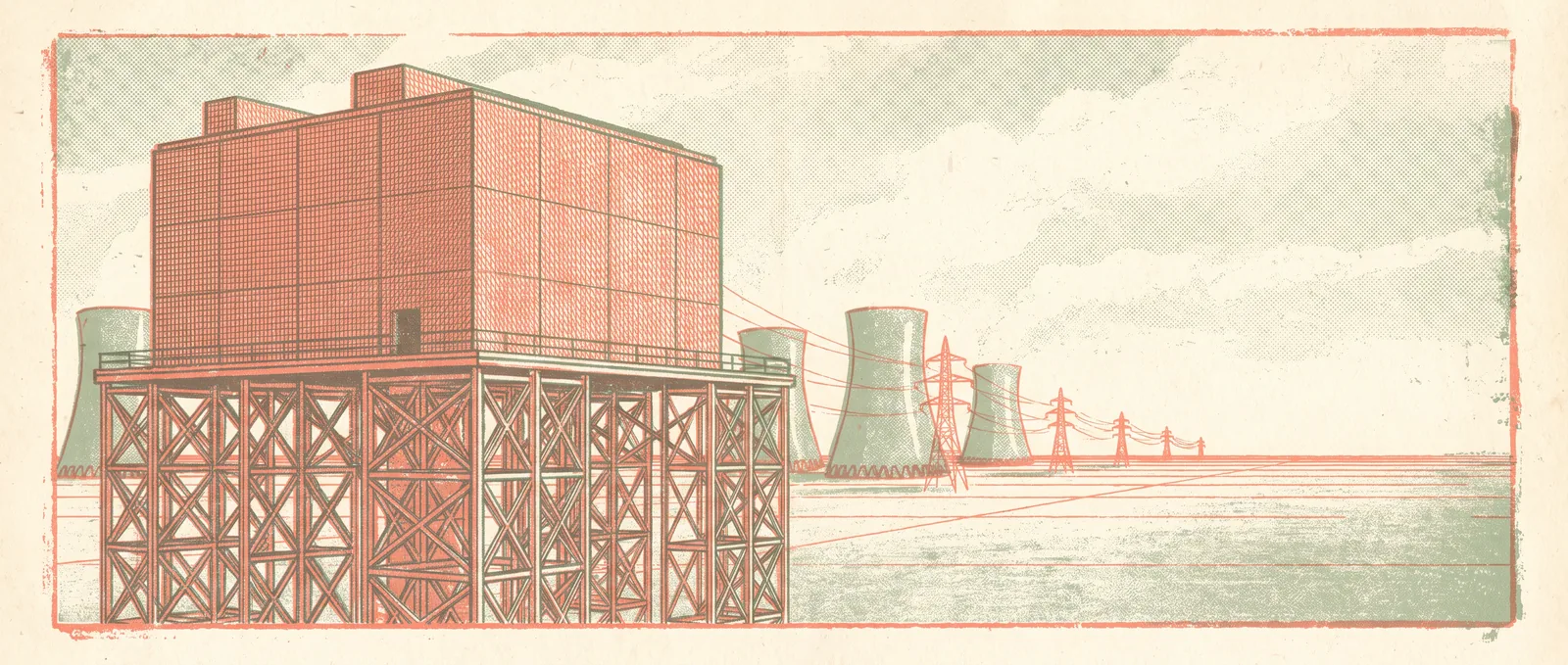
Nvidia is in talks to guarantee roughly $250 billion in financing so that OpenAI can lease a data center it does not own, according to the Wall Street Journal. The site is a 10-gigawatt campus being built in Piketon, southern Ohio, about 50 miles below Columbus, on the grounds of a decommissioned uranium enrichment plant. The developer is SB Energy, the power arm of SoftBank. Including the chips, the full project could exceed $500 billion, which would make it the largest data center ever announced.
A few numbers help place this. Ten gigawatts is roughly the continuous output of ten large nuclear reactors, or the electricity a mid-sized European country uses. The $250 billion figure covers the lease and construction financing only. The chips are a separate conversation, and the Journal reports Nvidia is discussing financing for those too, potentially another $350 billion. Groundbreaking happened in March with Commerce Secretary Lutnick, SoftBank founder Masayoshi Son, and Energy Secretary Chris Wright reportedly present. Nothing is signed, and the reporting rests on unnamed sources, so treat the numbers as the shape of a deal rather than a done one.
The reason a backstop is needed at all is the interesting part. OpenAI is not profitable, so it cannot get an investment-grade credit rating, and lenders will not hand over hundreds of billions to a tenant whose ability to pay rent for twenty years is uncertain. A backstop means Nvidia promises to cover the payments if OpenAI cannot. That converts OpenAI’s shaky credit into Nvidia’s very solid credit, and the loans become cheap. It also means the company selling the chips is underwriting the customer buying the chips, which is a circular arrangement that has made some investors uneasy. Michael Burry, who is best known for betting against the 2008 housing market, responded to the report with “around and around we go.” The counterargument is straightforward: Nvidia wants those 10 gigawatts filled with its hardware, and a guarantee is cheaper than a lost customer.
What this means for you: Nothing changes in the tools you use tomorrow. But this is the clearest signal yet of where the money and the risk sit in the AI boom, and it is worth reading as one. If you use AI at work, note that the cost of running these models is being financed on a multi-decade timeline, which is one reason subscription prices and rate limits keep shifting. If you follow markets, the thing to watch is not the headline number but whether ordinary lenders would fund projects like this without a chipmaker standing behind them. Right now, reportedly, they would not.
Sources
Source: https://finance.yahoo.com/technology/ai/articles/nvidia-weighs-250-billion-backstop-123626022.html
The same pile of AI output: $50 from Anthropic, 87 cents from DeepSeek
US companies have swapped tokenmaxxing for thrift-maxxing, mixing cheap Chinese models into their stacks and reserving the expensive ones for the hard parts. Chinese models took 57 percent of US token usage on OpenRouter in one July week.