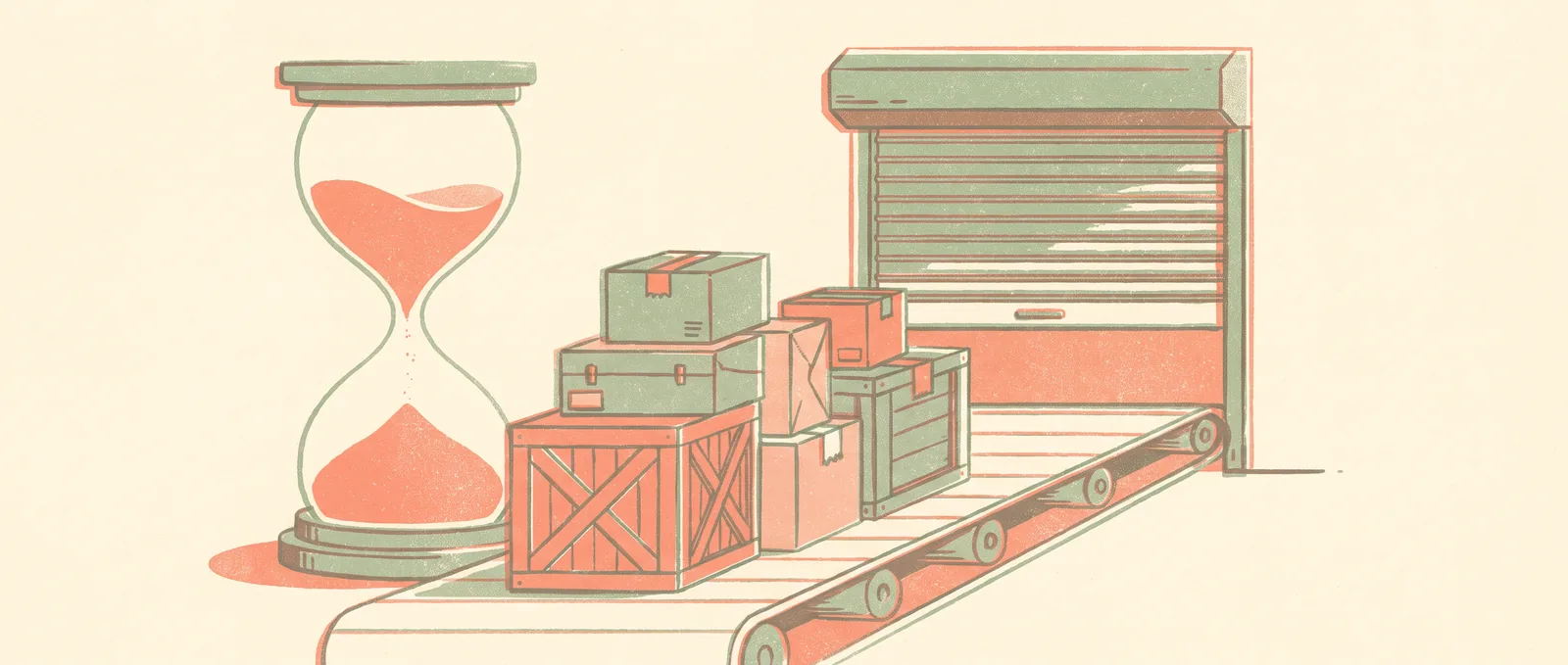
The Web Is Losing Its Memory, and AI Search Is Speeding It Up
An essay in The Walrus traces how AI summaries, link rot and legal pressure on the Internet Archive are quietly shrinking the record we can still search.
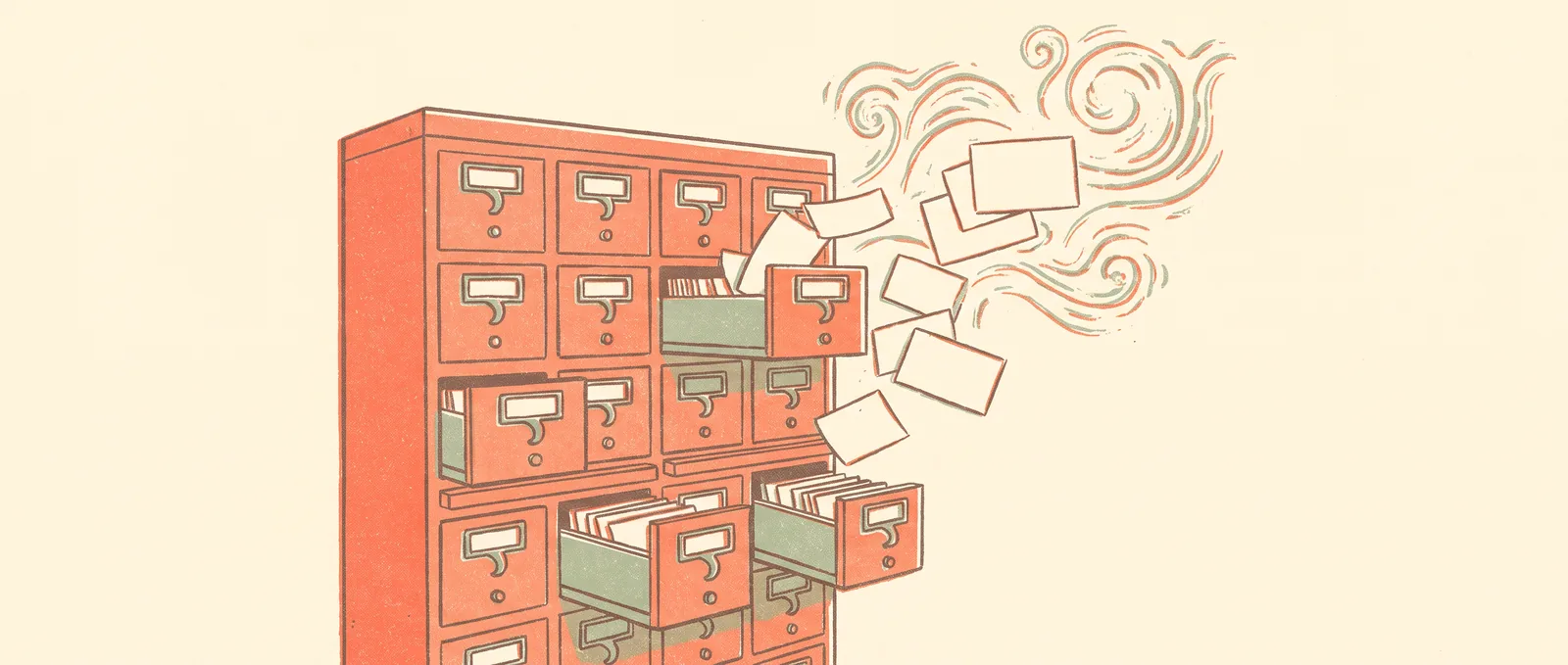
It started with sunsets. People noticed that Google’s AI summaries had begun inventing sunset times, telling one man in Colorado Springs that the sun had already gone down while he stood outside waiting for it. A small, funny error. In an essay for The Walrus published this week, Vass Bednar uses it as the door into a much less funny question: what if the reason things are harder to find online is not that we have got worse at searching, but that the thing we are searching is quietly falling apart?
Her examples stack up quickly. FiveThirtyEight, the data journalism site, was wound down by Disney and its entire archive simply deleted. Parts of the United States Constitution briefly vanished from the Library of Congress site because of a coding error. Link rot removes pages every day without anyone noticing. And 404 Media has reported on companies planting content on Reddit specifically to steer what AI search tools say, which pollutes the record that those tools then summarise.
Two load-bearing institutions are under particular strain. Wikipedia’s traffic is falling because AI systems ingest its content and answer directly, so readers never arrive, and attention and donations no longer flow back. The Internet Archive, whose Wayback Machine holds hundreds of billions of snapshots of the web, is dealing with cyberattacks, expensive litigation and a new problem: after publishers sued it over digital lending, news organisations began blocking its crawlers, worried that archived copies give AI companies an indirect route to copyrighted material. Each block shrinks the backup.
What is behind it
The essay’s sharpest line is a comparison. Banned books have villains, school board meetings and headlines. Digital erasure has none of that. A banned book can still be found somewhere. A deleted page can vanish so completely that nobody realises it was ever there.
Bednar’s proposal is that search should be treated as public infrastructure rather than a free consumer service, and she points at European governments already moving that way: France’s parliament and armed forces ministry switched to the search engine Qwant, and civil servants now use a homegrown messaging app instead of WhatsApp. She also cites the German court ruling that held Google liable for false statements produced by its AI overview, on the reasoning that rewriting information in your own words makes you an author, not a neutral pipe. Google is appealing.
What this means for you: Practically, two habits are worth picking up. If a page matters to you, save it yourself rather than trusting that it will be there, and consider archiving it to the Wayback Machine, which takes one click. When an AI summary gives you a fact you plan to act on, open the source. The wider point is slower and worth sitting with: the internet’s memory is maintained by a handful of underfunded organisations, and it is not guaranteed.
Sources
If You Use Manus, You Have Eleven Days to Back Up Your Data
Manus is separating from Meta and returning to independence. Some accounts will have all data created since December 29, 2025 deleted on August 23, with a backup window open now.