You Can Now Ask Questions of a Book You Actually Paid For
Google's Expert Intelligence lets you load ebooks you own from Play Books into Gemini Notebook. Over 100,000 titles at launch, and you have to own the book, including everyone you share the notebook with.
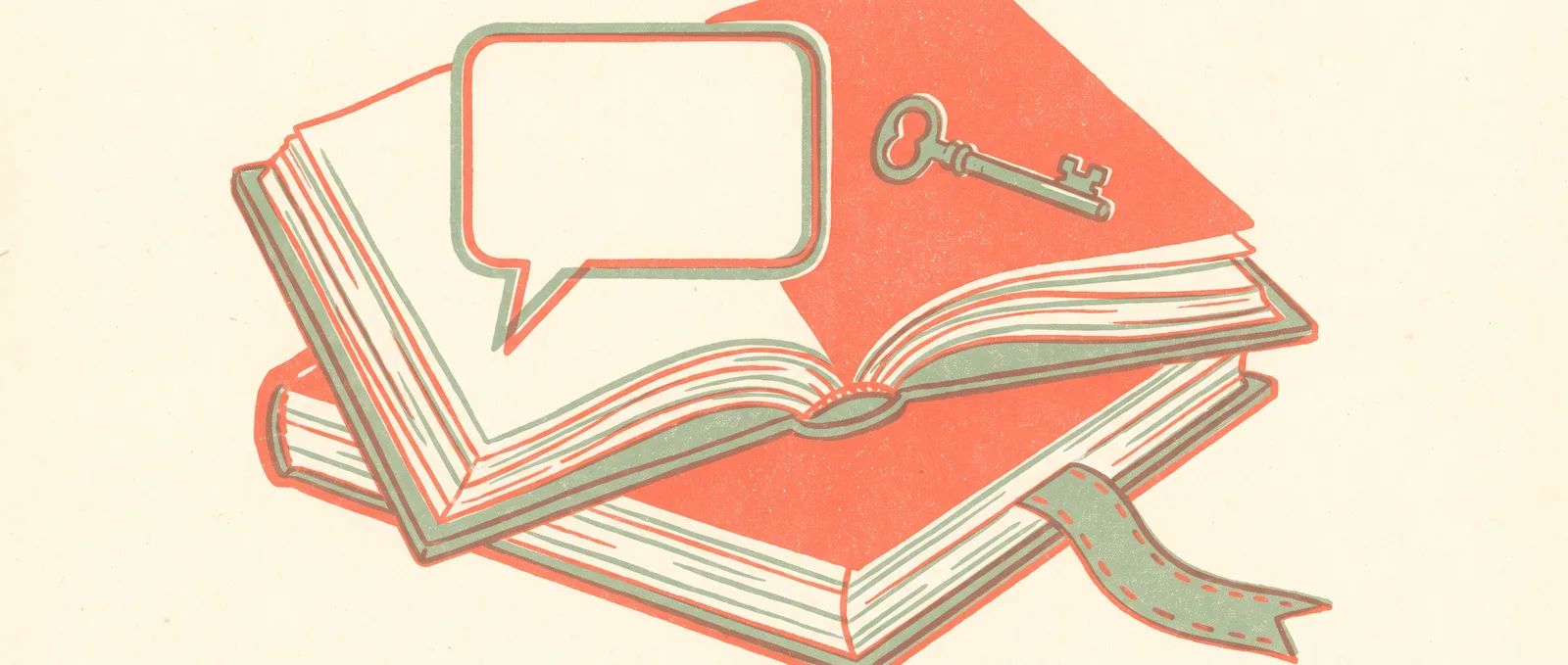
Google has launched Expert Intelligence, which lets you add ebooks you have bought from Google Play Books directly into a Gemini Notebook and then ask questions that get answered from that book, with citations pointing back to the relevant passages. It starts with more than 100,000 titles from Penguin Random House, Macmillan, O’Reilly Media, Bloomsbury, Johns Hopkins University Press and De Gruyter Brill.
Beyond asking questions, the notebook can turn a book into other formats: infographics, audio overviews, quizzes. The more interesting part is mixing sources. Google’s own examples give the flavour: a manager combining Kim Scott’s Radical Candor with their own notes to think through a difficult conversation, someone uploading personal journal entries alongside a health book to see how the advice applies to them, a parent photographing the contents of their fridge and asking for a meal plan grounded in Michael Pollan’s Food Rules. Google also worked with more than 15 authors, including Steven Pinker and Pollan, on curated notebooks that pair a book with extra material.
The ownership rules are unusually strict and deliberately so. To interact with a book you must own it on Google Play Books. If you share a notebook that contains a book, your collaborators get prompted to buy their own copy before they can engage with that content, otherwise the book is simply unavailable to them. You can check whether a title qualifies from its Play Books detail page, under the Tools badge.
What’s actually going on here: this is Google trying to answer the copyright fight with plumbing rather than argument. Publishers have spent two years suing over books used in training, and the core complaint is that the value flowed one way. Expert Intelligence flips the arrangement: the book is not trained into the model, it is supplied to a session by a reader who bought it, and the ownership check travels with the sharing. That is why Penguin Random House is in the launch list rather than in a courtroom over it. It also explains the awkward edges. Only some titles qualify, sharing gets more friction than people expect from a collaborative tool, and the model is grounded in that book rather than reasoning freely, which is the point but also the limit.
What this means for you: if you buy ebooks anyway, this is a genuinely useful upgrade to something you already own, and reference books benefit most. A technical manual you consult rather than read, a cookbook, a management book you return to. Ask it what the author says about a specific situation and it will point you at the pages. Two caveats worth having up front. This runs on your Play Books library, so it does nothing for the Kindle collection or the paperbacks on your shelf, and grounding reduces invented answers without eliminating them, so check the citation when it matters. Right now it is Gemini Notebook only, with Google saying the Gemini app and AI Mode in Search come later, plus subscriptions, textbooks and business research reports. The free book offer attached to the launch is US only.
Sources
Source: https://blog.google/innovation-and-ai/products/gemini-notebook/expert-intelligence-leading-sources/
Google Locks Its Own Model Out of the Test Questions
DeepMind and the Singapore AI Safety Institute ran the first double-blind evaluation of a proprietary frontier model. The evaluator never sees the weights, Google never sees the questions, and cryptography enforces both.