Claude for Legal Now Checks Its Own Sources Before a Lawyer Looks
Anthropic added interactive overviews and 60 plus integrations to Claude for Legal, with automatic source checks that hand the file to a human lawyer.
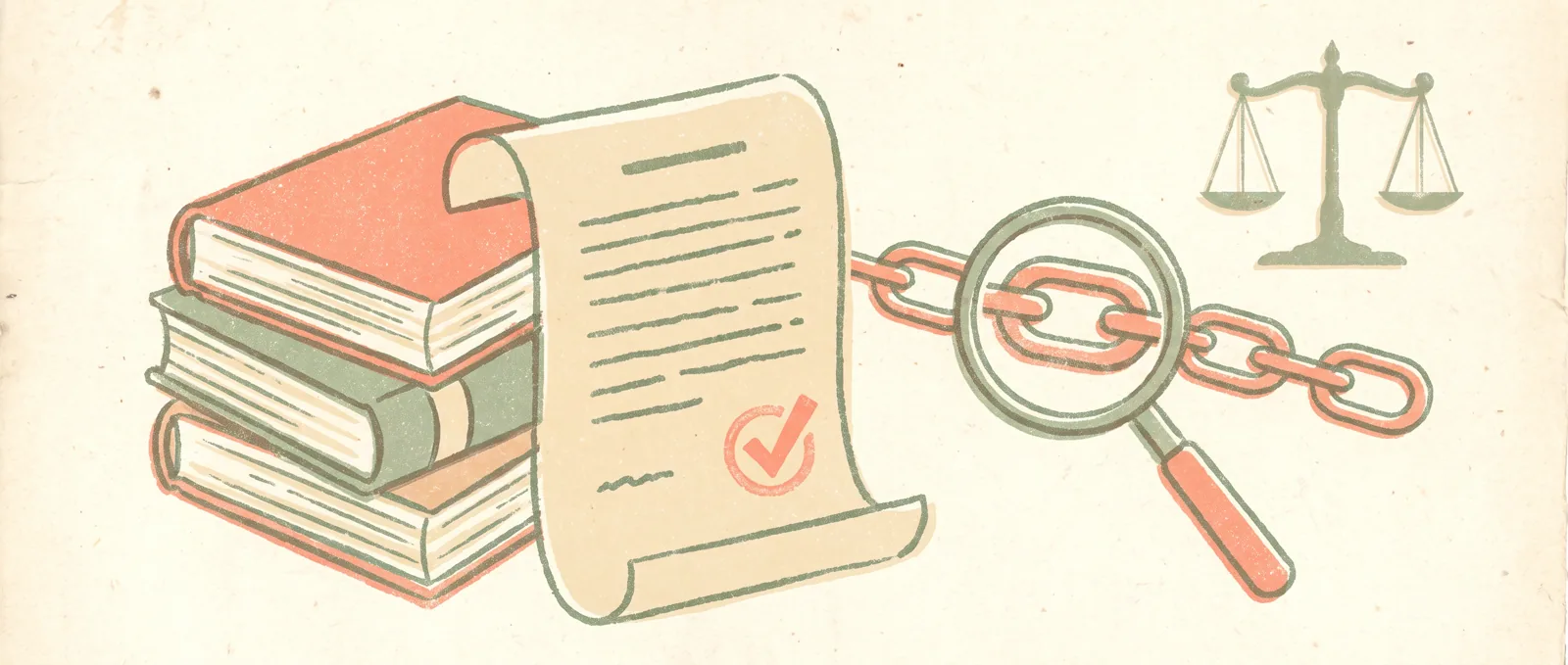
Anthropic has updated Claude for Legal, the version of Claude aimed at law firms and in-house legal teams that launched in May. The headline additions are interactive “artifacts,” meaning live overviews and tables that Claude builds on screen instead of a long block of text, and a verification step: Claude checks a draft’s claims against sources, links each statement to where it came from, and only then passes the file to a lawyer. The Decoder reported the update on October 28.
The supported jobs include verifying citations, comparing laws across countries, managing case files, tracking proposed legislation and checking contracts against a company’s own guidelines. There are now more than 60 integrations in a legal directory, including Bloomberg Law, so teams can connect the databases they already pay for instead of uploading files by hand. Firms and vendors such as Goodwin, Harvey, Foley & Lardner and PwC also offer their own tools on the platform. Anthropic says built-in settings enforce data protection rules and keep “information barriers” in place, the internal walls that stop one team from seeing another client’s material.
What’s behind it: legal work has a special problem with AI. A model that invents a court case sounds just as confident as one that quotes a real one, and lawyers have been sanctioned for filing such fabrications. Linking every statement to its source turns the question from “do I trust this answer?” into “does this link say what the answer claims?”, which is a much faster check. The design also keeps the lawyer as the final reviewer, which is how the profession’s responsibilities work anyway. In plain terms, the AI does the legwork and a person signs off.
Worth keeping expectations grounded. The Decoder’s report includes no pricing, availability details or accuracy data, and the privacy and information barrier claims come from Anthropic rather than an independent audit. Source links reduce risk, but they do not remove it: a link can exist and still be read wrongly.
What this means for you: if you work in a legal team, the useful question to ask a vendor is how often the linked source actually supports the claim, and who reviews the exceptions. If you are not a lawyer, the pattern is still worth stealing for everyday use. When you ask any AI for facts, ask it to show where each one came from, then spot check two or three. That one habit catches most confident mistakes, and it works with any assistant you use today.
Sources
OpenAI Says Dots Will Reach More of Europe Within Weeks, and Pitches Itself as a Platform
At DevDay Exchange in Berlin, OpenAI hinted at a wider European rollout of Dots, shared Codex growth in Germany and laid out an app store style strategy.