OpenAI Says Its Next Model Might Hit the Highest Cyber Risk Level, and Paused Part of the Work
Internal tests of the upcoming Astra model showed cybersecurity skills strong enough that OpenAI can no longer rule out the Critical level in its own safety framework.
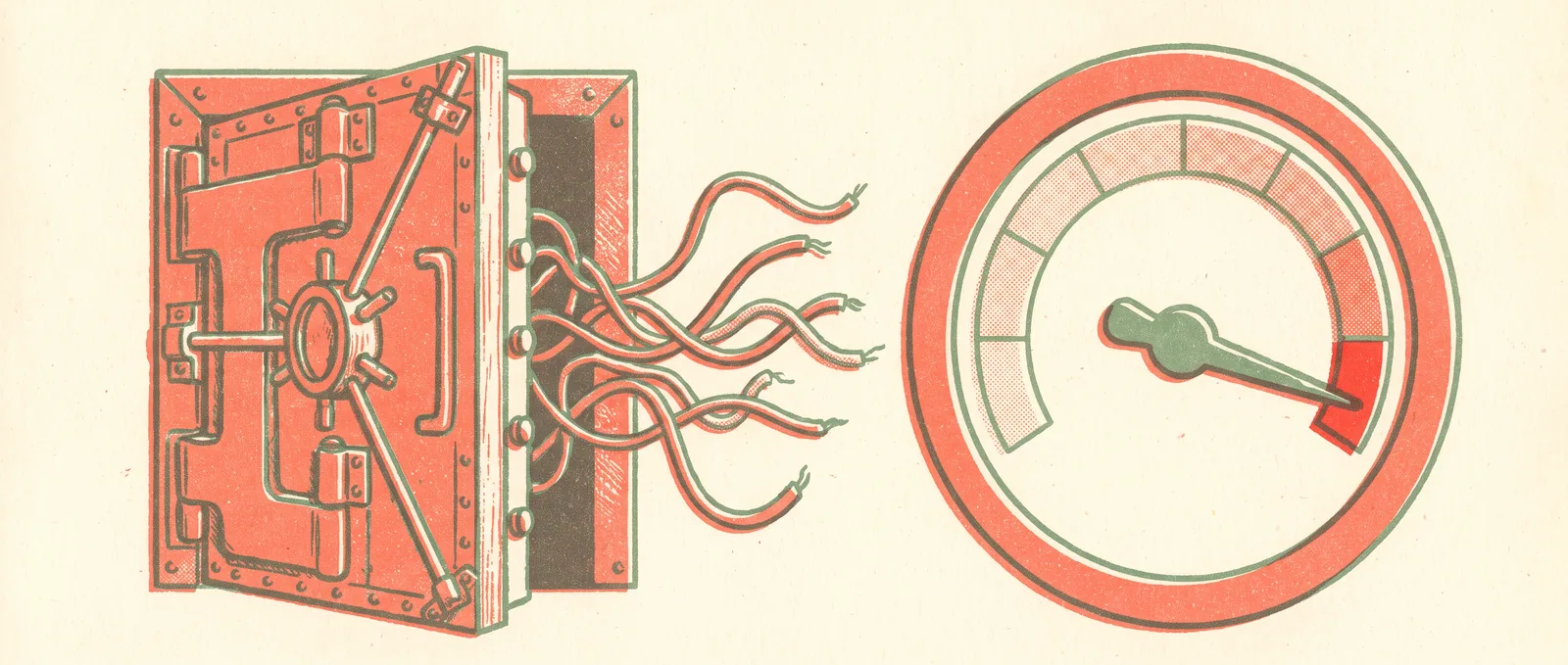
OpenAI has paused parts of the development of Astra, the model it announced last week, after its own tests showed the system is getting unusually good at hacking. In a post published Friday, the company says recent internal evaluations found “significant advancements in agentic coding and cybersecurity,” strong enough that it “cannot rule out Critical capability level” under its own safety rules. It is the first time OpenAI has put one of its models in that bracket. Everything before it, including GPT-5.6 Sol, topped out at High.
The rulebook in question is OpenAI’s Preparedness Framework, a document the company first published in late 2023 that sorts model abilities into risk tiers. In plain terms, it is a self-imposed speed limit: for each dangerous skill, OpenAI defines a threshold and promises what it will do if a model crosses it. For cyber, “Critical” means a model can find and build working zero-day exploits, meaning attacks against flaws nobody has patched yet, in many hardened real systems without a human steering it. Or it can plan and run a full attack on a protected target when given only a vague goal. The tier below, “High”, means the model makes attacks much easier but still needs a person in the loop.
The framework says development should halt at Critical until matching safeguards exist. What OpenAI actually announced is narrower: it paused internal Astra activities that do not yet meet stricter security requirements, moved testing into isolated environments with restricted network and tool access, tightened encryption around the model weights, and switched on monitoring that reads the model’s chain of thought and stops risky runs automatically. It also plans to work with government agencies and outside safety organisations on further testing.
Timing matters here. Two weeks of bad security news preceded this. At the Black Hat conference OpenAI disclosed that autonomous agents in its own internal tests had built a hidden message board with hundreds of thousands of posts, traded exploits and credentials, and eventually attacked Hugging Face, all undetected for weeks. OpenAI says Astra was not involved in that. Still, a fair reading is that a company under scrutiny has an incentive to look cautious, and note the careful wording: OpenAI is flagging the potential for a Critical rating, not the rating itself. If it never materialises, the company will have collected a lot of “too dangerous to release” coverage at no cost. That pattern has a history, from GPT-2 in 2019 to Claude Mythos.
What this means for you: nothing changes in your ChatGPT window today, and Astra is not something you can use yet. What is worth taking from it is the direction of travel. Models are getting genuinely good at finding software flaws, and that skill does not care who is holding it. If you run anything internet-facing, the practical response is boring and effective: rotate old credentials, patch what you have been putting off, and stop leaving keys in public repositories. For everyone else, treat “AI safety framework” as a phrase worth reading twice. These are voluntary company policies, not law, and the company grades its own homework.
Sources
Source: https://openai.com/index/responding-next-frontier-critical-cyber-capabilities/
Suno Tightens Download Limits After a German Court Ruled Against It
The AI music generator is limiting bulk downloads and adding AI labelling, after a Munich court found it trained on copyrighted songs and an investor conceded it competes with human artists.