Claude Designed Small Proteins That Stick to Scorpion Venom, But This Is Not an Antivenom Yet
In a 64-hour mostly autonomous run, Claude designed 211 candidate proteins against scorpion toxins. Labs confirmed 17 bind a toxin. Neutralising venom is untested.
Anthropic says an internal research version of Claude designed small proteins that attach tightly to scorpion neurotoxins, the first step toward a possible antivenom. In a post on October 20, the company describes a 64-hour run in Claude Science, mostly autonomous, in which Claude also analysed data, made figures and drafted the report. The project began with a question from Citrini Research: could AI help motivated non-experts take on a real health problem?
The scale is large. Claude targeted five toxins from Mexico, Brazil, North Africa and the Middle East, used 12 design tools to generate 318,484 designs, filtered out look-alikes of known proteins, and checked 553,052 design and toxin pairs on about 10,000 GPU hours. It then picked 211 designs for real lab tests. Two outside labs, Adaptyv Bio and Twist Bioscience, tested them. A design only counted if it worked at both labs, bound with an affinity of 1 micromolar or tighter, and ignored an unrelated human protein. Seventeen passed, all against a single toxin. The best two, Cn2-B1 and Cn2-B2, reached single-digit nanomolar affinity, a very tight grip, and seem to bind near a site targeted by an antibody that reportedly neutralises that toxin in mice. The single-toxin hit rate was 11 of 60, or 18%, which the authors call typical for protein design.
Now the honest limits. Only lab-made toxins were tested, not toxin purified from real venom. No test yet shows that the proteins neutralise venom in cells or animals. No design worked against more than one toxin. Anthropic says plainly that it has not produced an antivenom, and that safety, stability, cost and access remain open. An outside reviewer, Susana Vázquez Torres of CNIO in Madrid, called it a promising first step. Anthropic released all 211 designs and the data on Hugging Face.
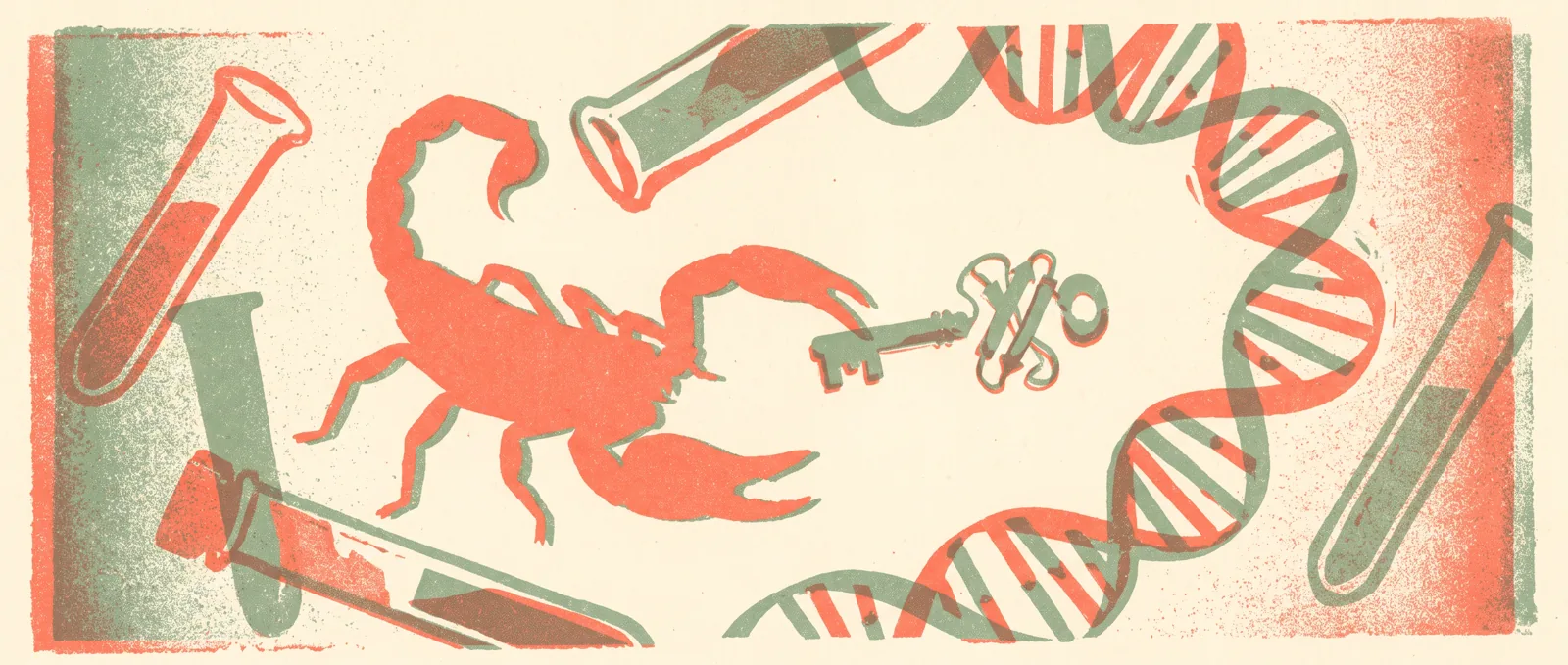
What’s behind it: a “binder” is a small protein shaped to latch onto a specific target, like a key cut for one lock. An antivenom needs more than a good grip: it has to block the toxin’s harm, be safe in the body and be cheap enough to reach rural clinics. Context: scorpion stings cause more than 1.2 million injuries and over 3,250 deaths a year, mostly among children.
What this means for you: this is early research, not a treatment, and nothing changes for patients today. It is a clear example of AI doing long, multi-step lab-design work, with real experiments to check it. The open data lets other scientists build on it or find its flaws.
Sources
Source: https://www.anthropic.com/research/claude-scorpion-toxin-binder-design
ElevenLabs Launches Eleven Realtime, Voice Models That Reply in About Half a Second
ElevenLabs' Eleven Realtime comes in Max and Mini versions and talks directly speech to speech. The accuracy and speed claims are the company's own.