Google Just Switched Off the 'Creativity Dial' in Its Newest AI, a Good Moment to Learn What It Did
Gemini's newest models now ignore the temperature, top_p, and top_k settings. Here is what those knobs actually did, and why turning them off is part of a bigger trend.
Google has quietly retired three settings that developers have fiddled with for years. In its newest models (Gemini 3.6 Flash, 3.5 Flash-Lite, and 3.5 Flash Cyber), the options called temperature, top_p, and top_k are now ignored, and Google says future models will reject them outright. It sounds like dry housekeeping, but it is a good chance to understand a part of how AI text actually gets made.
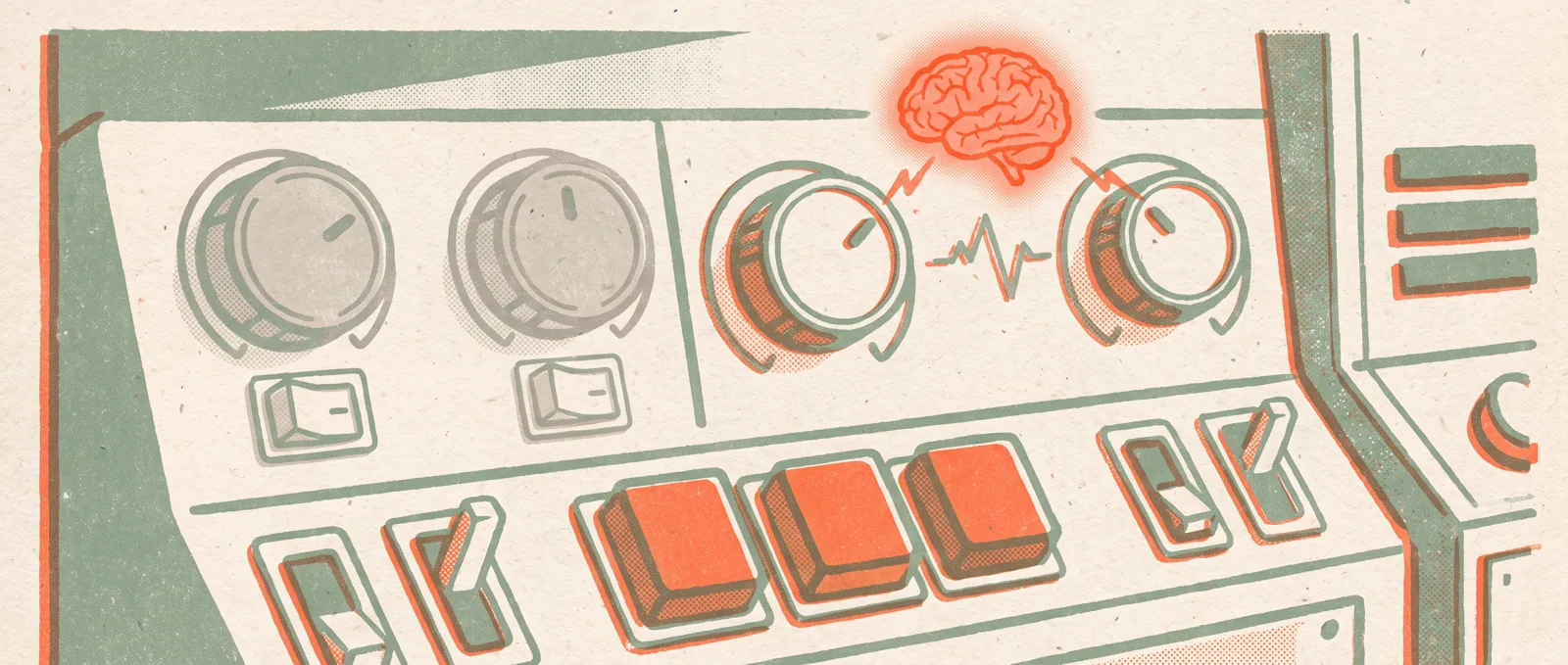
First, what those knobs did. When an AI writes, it does not simply pick the single “best” next word; it juggles a list of likely options and chooses among them. Temperature is the dial that controls how adventurous that choice is: low temperature makes the model play it safe and predictable, high temperature makes it more surprising and creative (and more prone to going off the rails). Top_p and top_k are two ways of narrowing the shortlist before the model picks, for example “only consider the top handful of candidates.” For a long time, tuning these was how developers nudged a model toward focused, factual answers or looser, more inventive ones.
So why turn them off? The short version: today’s models are smart enough to manage this themselves. Newer systems, especially ones that “think” through a problem before answering, tend to work best with their sampling handled internally, and letting users crank the dials often just made outputs worse or less predictable. Right now the settings are simply ignored with no error, but Google warns that future models will return an error if you send them, so anyone building on the API should stop including them. It is not just Google, either: reports suggest Anthropic has been deprecating the same controls on its newer models, which points to an industry-wide shift toward “let the model decide.”
What this means for you: If you just use AI through apps and chatbots, nothing changes, and honestly you were probably never touching these anyway. If you build with AI, the practical to-do is small but real: strip temperature, top_p, and top_k out of your setup before you upgrade, or your code may eventually break. And if you are simply trying to understand how these tools work, here is the takeaway worth keeping: the trend is toward less manual tuning and more trust in the model, which makes AI easier to use but also a little more of a black box.
Sources
A Small Open Coding Model Just Beat Rivals Ten Times Its Size, and You Can Run It Yourself
Poolside's Laguna S 2.1 is an open-weight coding model small enough to run on one desktop AI machine, yet it holds its own against models many times larger.