A startup just raised 30.5 million dollars to put ads inside chatbots, and its next product advertises to the bots
Gravity closed a 30.5 million dollar Series A to run an ad network across ChatGPT and other AI assistants. Its agent-to-agent product feeds product catalogues to AI shopping agents, with no human ever seeing the ad.
Gravity, an advertising startup that places text ads inside AI chatbots, raised a 30.5 million dollar Series A co-led by Lightspeed Venture Partners and Committed Capital, bringing its total funding to 38.5 million dollars. Its advertiser list includes Best Buy, Target, Vercel and MongoDB, and it places ads in ChatGPT and a handful of smaller assistants.
The company runs what the ad industry calls a full stack: a buying platform for advertisers, a selling platform so developers can monetise their own AI apps, and an exchange in the middle connecting the two. That is the same architecture that powers ads across the open web, rebuilt for chat interfaces.
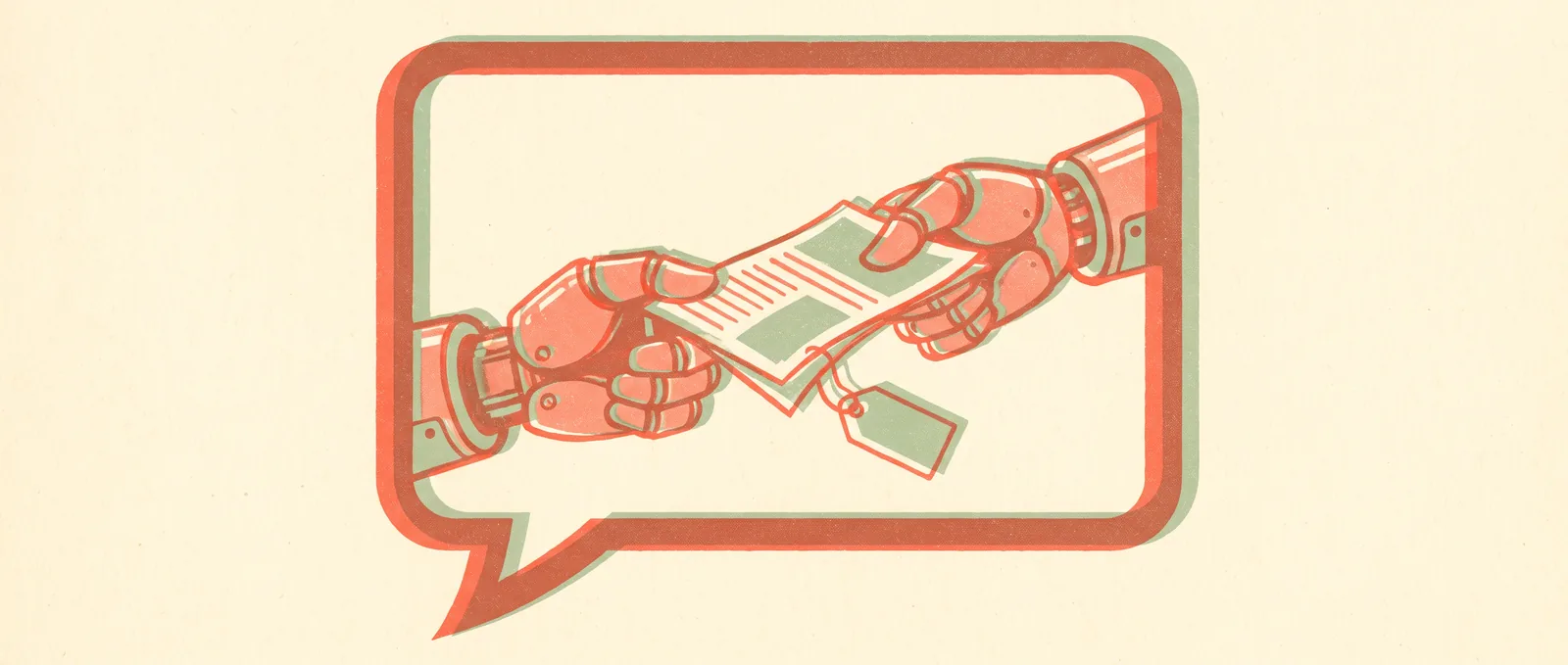
The more unusual product is what Gravity calls agent-to-agent advertising, and no human ever sees it. Advertisers hand over their product catalogue with features and current promotions. When an AI shopping agent goes looking for, say, a laptop, it receives a structured list of relevant advertisers with detailed descriptions. Cofounder Zach Oldham told Business Insider it “helps enrich the buying decision”. Gravity plans to add direct payment so an agent can complete a purchase once its human approves.
What is actually going on here
Chatbots are extremely expensive to run and mostly given away free. Advertising is the oldest answer to that problem on the internet, and it is arriving on schedule. ChatGPT introduced ads in February and reportedly crossed 100 million dollars in annualised ad revenue within two months. OpenAI moved to a cost-per-click model in April, meaning advertisers pay when someone clicks rather than when an ad is shown, and is building its own platform with Adobe, StackAdapt and Criteo. WPP Media projects marketers will spend 100 billion dollars a year inside generative AI search by 2030.
The agent-to-agent idea deserves a harder look. Search ads at least announce themselves; you can see the label and decide to scroll past. When an ad is aimed at software that then summarises a recommendation to you in friendly prose, the labelling problem is genuinely unsolved. You would be trusting your assistant to tell you which of its suggestions were paid for, in a format it chooses. That is a lot of trust to extend by default.
There is also a plain business caveat. Gravity is small, and it is competing against Google’s advertising machine and OpenAI’s own in-house effort, which owns the surface Gravity depends on. Oldham’s argument is that owning both sides of the transaction makes the network smarter with every placement. That is a reasonable bet, not a settled one.
What this means for you: start reading AI answers the way you learned to read search results. Ask yourself whether a product recommendation might be sponsored, and check where the suggestion came from before acting on it. If you use an AI assistant to shop, treat its shortlist as a starting point and verify prices elsewhere. And if you are building on top of an AI app, know that an ad-supported free tier is now a real business model you will be offered, and that your users will eventually ask you what is paid and what is not.
Sources
Source: https://thenextweb.com/news/gravity-ai-ads-30-5m-series-a-agent-to-agent
Alibaba's newest model scores higher and guesses more: hallucination rate jumps from 23 to 40 percent
Qwen3.8 Max gained 10 points on the Artificial Analysis Intelligence Index, matching Claude Opus 4.8. It also got slower, more expensive per task, and far more willing to invent an answer rather than admit it does not know.