Amazon Is Closing Mechanical Turk, the Human Workforce It Once Sold as AI
The platform that Jeff Bezos called artificial artificial intelligence shuts down on September 30 after 21 years, along with SageMaker Ground Truth and Augmented AI.
Amazon will shut down Mechanical Turk on September 30, 2026, ending a 21-year run for the platform that let anyone post small digital jobs and have humans complete them for a few cents each. The company says the decision followed an internal assessment of its programs and services. Two related services close the same day: SageMaker Ground Truth and Amazon Augmented AI, which means Amazon is exiting the business of arranging human work for machines entirely.
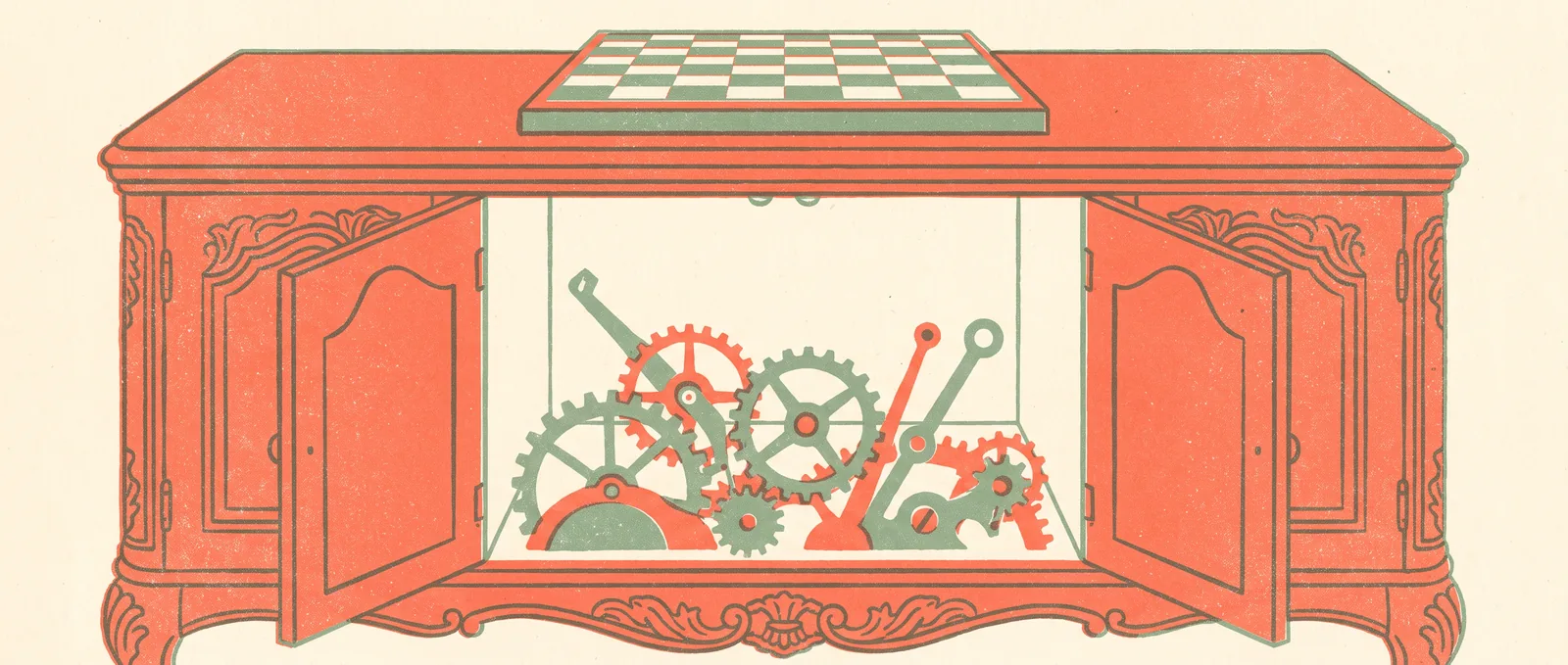
Launched in 2005, Mechanical Turk matched businesses with workers for what Amazon formally called Human Intelligence Tasks: labelling images, transcribing audio, filling out surveys, checking whether two product listings described the same thing. At its peak it served more than 500,000 workers. It also gave the world a piece of vocabulary, since Jeff Bezos described the idea as “artificial artificial intelligence”, software that looks automated from the outside but has people inside it. The name came from an 18th-century chess-playing automaton that turned out to have a person hidden in the cabinet.
The platform had been in decline for years. Amazon invested little in it while newer data-labelling companies such as Scale AI, Mercor and Prolific built better tools, paid better, and drew workers away. Amazon had already stopped accepting new customers in July.
What’s actually going on here: the easy reading is that AI ate the humans, and there is something to that: a lot of what MTurk was used for, basic transcription and simple classification, a model now does faster and cheaper. But the more accurate reading is the opposite. Demand for human annotation has gone up, not down, because training and evaluating modern models needs judgement rather than piecework. Rating which of two answers is better, checking whether a model’s reasoning holds, flagging subtle factual errors: that work pays far more than a few cents and needs a workforce you can vet and retain. MTurk’s anonymous, high-volume, low-pay design was built for the old shape of the problem. The market moved upmarket and Amazon did not follow.
One quieter loss is academic. Social scientists and psychologists ran an enormous share of their online experiments on MTurk, and generations of published research rests on its participant pool. That community now migrates to Prolific and similar services, and the comparability of older studies gets a little harder to defend.
What this means for you: for most readers, nothing practical. If you have side income on MTurk, September 30 is a hard deadline and the alternatives above are actively recruiting. If you run studies or need annotated data, budget for the move now rather than in late September. And if you take one idea away, make it this: almost every AI product you use has human labour somewhere in its history, in the training data, the ratings, or the safety review. That was never really hidden. Mechanical Turk just made it unusually visible, and now it will not be.
Sources
Source: https://www.mturk.com/
AWS Buys the Team Behind DuckDB, and Says Agents Are Why
Amazon is acquiring DuckLabs, the thirty-person Amsterdam company behind the open-source database DuckDB. The project stays MIT-licensed, and AWS is unusually direct about the AI angle.