Inside Wikipedia's Volunteer Fight Against AI-Written Articles
IEEE Spectrum profiles WikiProject AI Cleanup, the volunteers who spot and remove chatbot-written text, and what the numbers say about how big the problem is.
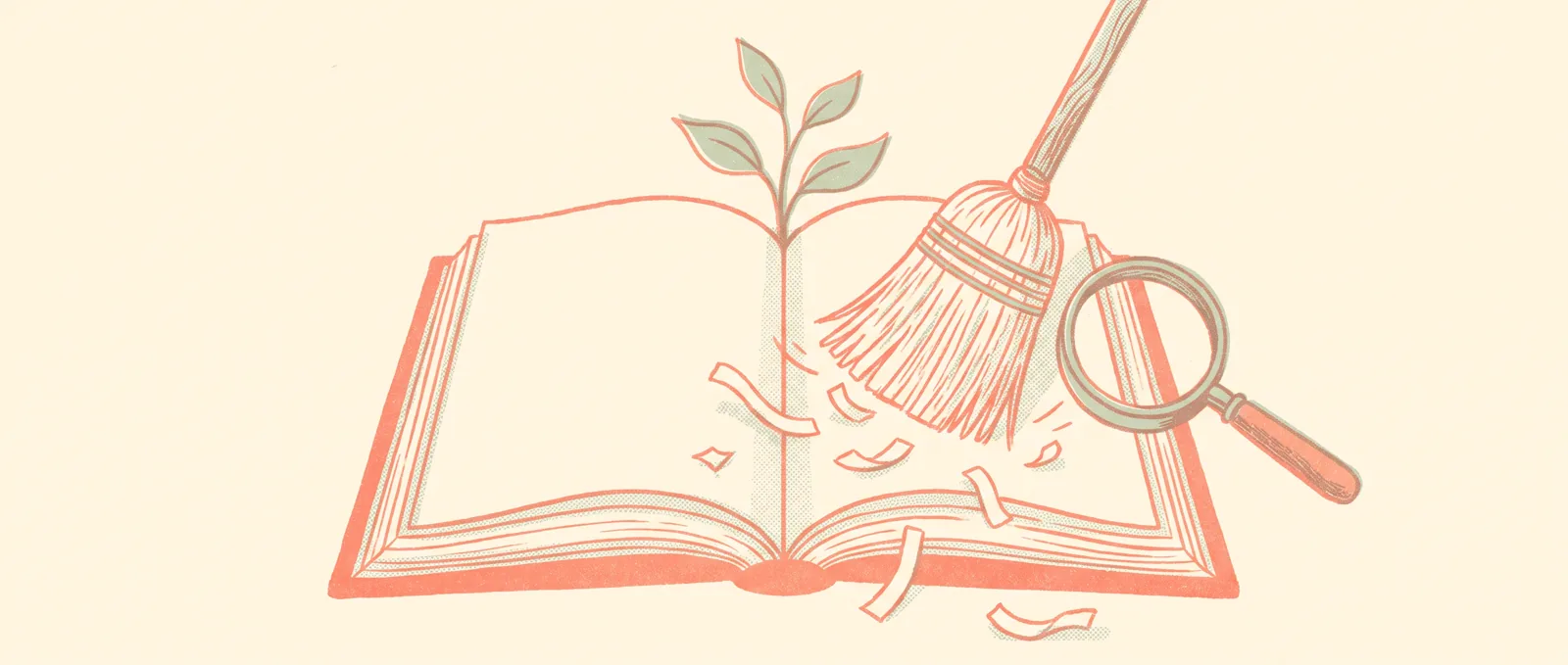
Wikipedia has a rule: English Wikipedia now prohibits using large language models to write its articles. Enforcing it falls largely to WikiProject AI Cleanup, a volunteer group started in 2023, which IEEE Spectrum profiled this week. A founding member, Ellia Lebleu, says it began when editors noticed articles stuffed with stock phrases like “stands as a testament” and “rich cultural heritage”, plus oddities such as unrequested conclusion sections.
The volunteers use several clues. Single tics prove little, but when things like the “rule of three” or negative parallelisms (“not just X, but Y”) pile up, they mean something. They also look beyond the text: five multi-thousand-word articles created in five minutes is a warning sign. Citations are another check. Fully invented sources are now rarer, but real sources often do not support the claims attached to them. Tools help too. One editor built an AI-powered source verifier, and the Wikimedia Foundation is developing Paste Check to flag text pasted in from chatbots.
How big is the problem? The detection firm Pangram flagged about 20% of new articles and drafts as AI-generated in late 2025, falling to roughly 15 to 16% in early 2026. Because Pangram reportedly had no false positives on text written before ChatGPT existed, the group treats those figures as a floor. Nobody knows whether the drop reflects the new policy or stronger models that detectors miss. Most of the AI text comes from beginner editors.
What’s behind it: Wikipedia is trusted partly because people wrote it and other people checked it. It is also a main source of training data for AI companies, so AI text flowing back in creates a loop where models learn from their own output. Lebleu notes that some Claude models refuse requests to write Wikipedia articles, which helps with mainstream tools but not with open-weight models you can run yourself. There is a second worry: AI search can send readers an answer without sending them to the site, hiding the fact that anyone can edit it. The Foundation is working on an attribution framework to show AI users an article’s edit history and known problems.
Detection will keep getting harder as AI writing improves, and it is too early to judge whether the policy works. Lebleu sees AI shifting from something to clean up to a tool for cleanup.
What this means for you: keep using Wikipedia, but check the sources at the bottom of an article, especially for new or niche topics. If you use AI to draft text, never paste it into a public reference without checking every claim yourself. And if you edit Wikipedia, read the AI policy first.
Sources
Source: https://spectrum.ieee.org/wikipedia-wikiproject-ai-writing-cleanup
Catch-Up: Anthropic Files for an IPO, Kimi K3.1 Pro Lands and a Chatbot Host Leaks Other People's Answers
Our computer was offline for a few days, so here are the six stories from October 24 to 27 worth knowing: Anthropic's IPO filing, Kimi K3.1 Pro, a data mix-up at Cloudflare, a Qwen model that tried to phone home, speech in Ollama and Claude in drug research.