DeepMind Published a Prediction for Every Single Letter You Could Change in Human DNA
AlphaGenome Atlas is a one petabyte dataset covering all 9 billion possible single-letter DNA variants, precomputed so researchers can look up an answer instead of running a model. It is free for non-commercial research.
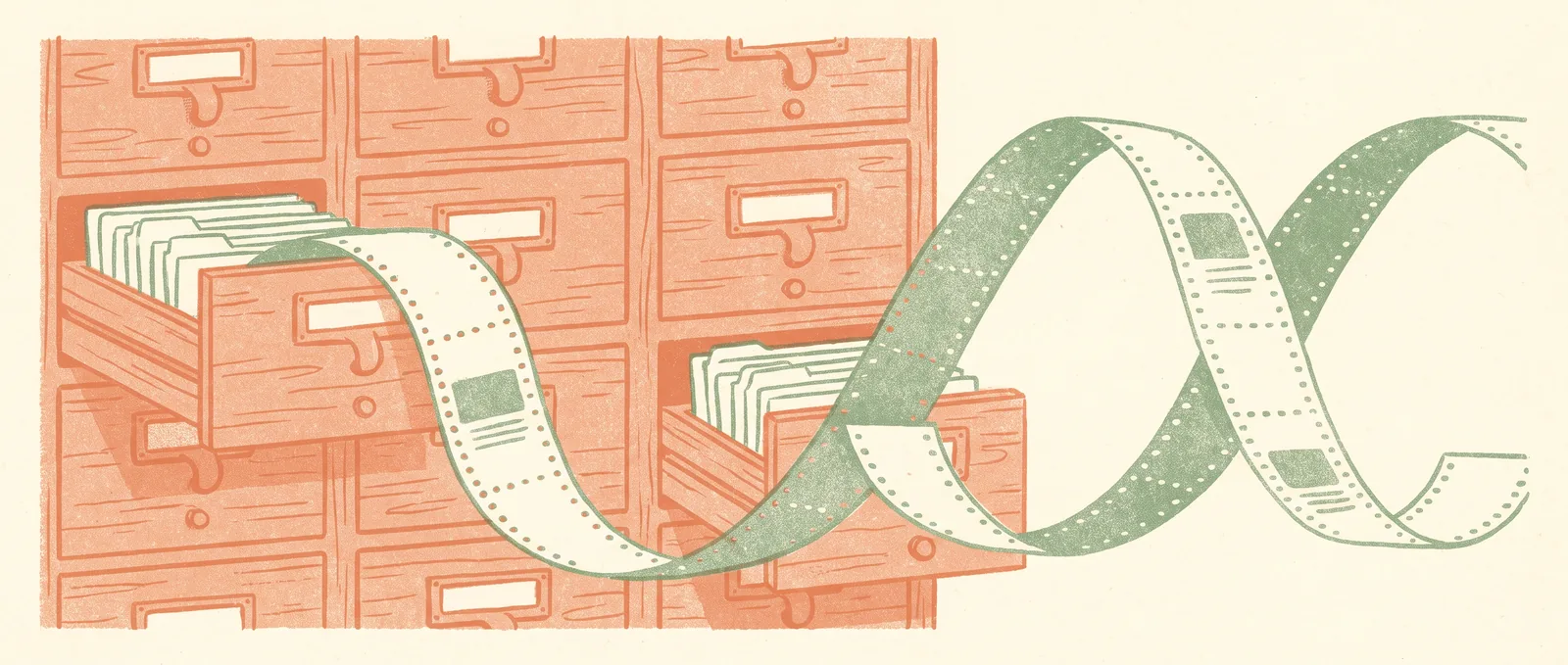
Google DeepMind released AlphaGenome Atlas on Tuesday, a dataset that predicts the molecular effect of every possible single-letter change in the human genome. There are about 3 billion letter positions in human DNA and three alternatives at each one, which gives roughly 9 billion variants. All of them are in there. The finished dataset is about one petabyte, more than 30 times the size of the AlphaFold protein database DeepMind expanded in 2022.
The trick is precomputation. AlphaGenome, the underlying model, reads a stretch of DNA and predicts what the cell will do with it: which genes get switched on, how strongly, how the RNA gets spliced. Until now a researcher had to run the model for each variant they cared about, which needs code, compute, and patience. DeepMind ran it across the entire genome once and published the answers, so looking up a variant becomes a database query. Alongside it comes the AlphaGenome Variant Impact score, or AVI, which folds AlphaGenome and AlphaMissense predictions together with evolutionary conservation and protein damage signals into one number per variant, with a breakdown of which molecular process is driving that number. Early users at the Broad Institute used it to flag a DNM1 variant tied to a rare disease, and UK Biobank researchers reported 22 percent more non-coding associations with body mass index. It is free for non-commercial research, with commercial licensing possible.
What is behind this
Most of the human genome does not code for proteins. For years that part was hard to interpret, so when a patient’s genetic test turned up an unusual variant outside a gene, the honest answer was often “we do not know if this matters.” Those are called variants of uncertain significance, and there are millions of them sitting in medical records right now.
A precomputed atlas does not resolve them, but it ranks them. A geneticist looking at forty odd variants in a sick child can now sort by predicted impact and start with the three most likely culprits instead of guessing. That is the same shape as what AlphaFold did for protein structures: not a cure for anything, but a lookup table that removes a week of work from every question. The caveat is that these are predictions from a model, not measurements from a lab, and a confident prediction is still a hypothesis someone has to test.
What this means for you: Nothing directly, unless you work in genetics, and that is fine. But it is worth knowing where AI is quietly doing its most useful work right now, and it is not in chatbots. It is in turning expensive one-off computations into free lookups. If you or someone close to you ever gets a genetic test back with an ambiguous result, the odds that a clinician can say something useful about it went up a little this week.
Sources
Chatbots Told a Third of Simulated Patients Their Sleep Apnoea Could Wait
Researchers ran 700 scripted conversations through five free chatbots. When the patient pushed back, the advice softened. In severe cases only 22 percent of answers still pointed to a specialist.