Google Cloud Now Sells OpenAI Models Next to Gemini and Claude
Google Cloud has added OpenAI's GPT models in private preview, making it the only big cloud with Gemini, Claude and GPT in one place.
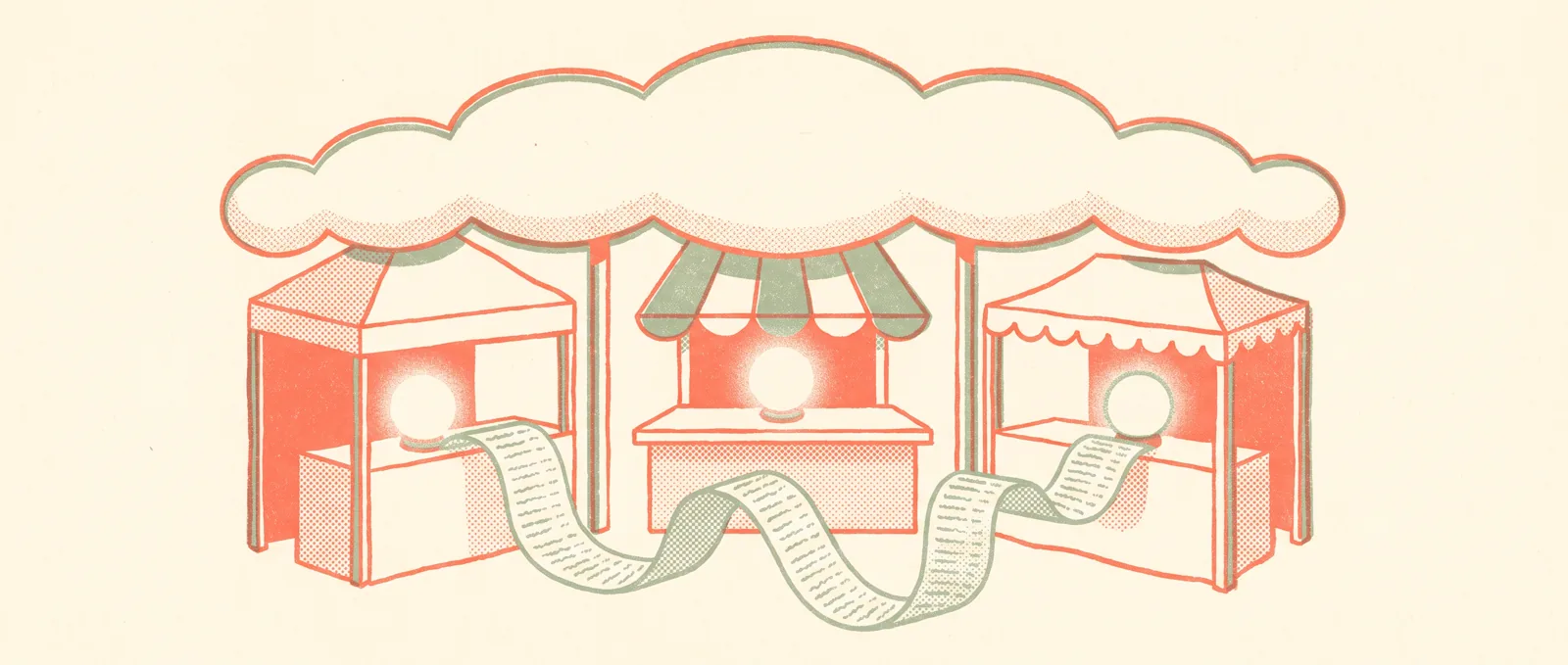
On October 21, Google Cloud announced that OpenAI’s models are now available on its platform. Google says this makes it the only major cloud provider offering Gemini, Claude and GPT side by side. The catch: it is a private preview, open only to selected enterprise customers, with a sign-up form for everyone else.
Three models are included. GPT-6 Astra is the heavyweight for demanding work such as coding and research. GPT-6.1 Sol is pitched as nearly as capable but cheaper. GPT-6 Luna is the fast, low-cost option for everyday jobs at scale. Companies can call them through the usual APIs, and Google says OpenAI’s Codex coding tools can be pointed at the Gemini platform for the underlying model calls. The models are due to appear in Gemini for Business and Google Antigravity later.
On data handling, Google says prompts and outputs stay inside the customer’s own data perimeter and are never used to train foundation models. Zero Data Retention options and Confidential Compute (extra hardware-level protection while data is processed) are listed as “coming soon”. No prices were published. What Google did spell out is the billing: everything lands on one Google Cloud invoice and counts toward existing contracts.
What’s behind it: big companies rarely want to bet on one AI vendor. Google’s own pitch, from Michael Gerstenhaber, is that each workload should get the right model instead of one model for everything. A cloud that lets you switch between rivals without new contracts is attractive, even if it means Google sells a competitor’s product. The Decoder notes a tension in that logic, since compute sold to cloud customers can strengthen rivals of Google’s own Gemini team. Think of it like a supermarket stocking a competing brand on the shelf next to its own: it earns money either way, and shoppers get choice.
What this means for you: for most individuals, nothing changes today, because this is aimed at businesses and is not open to the public yet. If you work somewhere that already runs on Google Cloud, it may soon be easier to try several models under one account and one bill. The wider signal is that the walls between AI labs and cloud providers are getting thinner. Which model you use may increasingly be a setting you change, not a company you commit to.
Sources
Mistral's Timestral Forecasts Numbers Over Time, and Runs on a Plain CPU
Mistral's first time-series models range from 5M to 209M parameters, need no GPU and predict things like demand or energy use with uncertainty ranges.